Stubborn Fat: How Liposuction Helps Sculpt Areas Diet and Exercise Can’t

Tag Archives: body contouring

Stubborn Fat: How Liposuction Helps Sculpt Areas Diet and Exercise Can’t

Have you been maintaining excellent lifestyle habits, but that one stubborn bulge refuses to budge? You’re not imagining it. If you’re struggling with pockets of fat that refuse to respond to diet or exercise, liposuction may be right for you. Dr. Sam Jejurikar personalizes every step of treatment to deliver more sculpted, refined contours. Contact the best plastic surgeon in Dallas to get started today!

Who Are the Best Candidates for Liposuction in Dallas?

Candidates for liposuction include the following:

  • You are close to a healthy, stable weight and want to address localized pockets of fat that persist despite consistent effort.
  • You have maintained a stable weight for at least six months.
  • You are in good health and have no medical conditions that could interfere with healing.
  • You are realistic about what liposuction can do for you.
  • You are in search of a body-contouring tool, not a weight-loss solution.

Dr. Jejurikar will evaluate your needs, discuss your goals, and create a personalized treatment plan to deliver your desired results.

What Areas Can Liposuction Treat?

One of the advantages of liposuction is its versatility. Dr. Jejurikar can remove unwanted pockets of fat from virtually anywhere on the body, including the abdomen, waist, hips, thighs, buttocks, knees, calves, ankles, upper arms, back, bra roll, and chest, including male chest reduction. He can also treat the neck, chin, and jawline, restoring your sculpted contours.

What Are Your Liposuction Options?

The following are the liposuction options Dr. Jejurikar offers:

  • Tumescent Liposuction: The common liposuction approach involves injecting “tumescent fluid” (saline, lidocaine, and epinephrine) into targeted fatty tissue. This helps swell the area, numb it, and constrict blood vessels, minimizing bleeding and bruising.
  • Ultrasound-Assisted Liposuction (UAL): This liposuction technique involves the use of ultrasonic energy to liquefy fat cells before suctioning them out. It is ideal for denser or more fibrous areas of fat, such as the male chest (gynecomastia), upper back, or previously treated areas.
  • Radiofrequency-Assisted Liposuction (RFAL) with BodyTite: The minimally invasive procedure combines radiofrequency energy with liposuction to reduce unwanted fat while also supporting collagen production. It produces noticeable skin tightening and smoother contours with minimal scarring and quick recovery time, making it ideal for areas prone to skin laxity, such as the abdomen, arms, thighs, and neck.

Liposuction vs. Non-Surgical Fat Removal: Which Is Right for You?

Non-surgical fat reduction treatments, like CoolSculpting or injectables, are popular, minimally invasive options for very small, isolated areas of fat. However, they typically require multiple sessions spaced weeks apart, offer only modest fat reduction, and can sometimes produce uneven results that require touch-up treatments.

When it comes to traditional liposuction, Dr. Jejurikar can remove significantly larger amounts of unwanted fat in a single treatment, helping provide a more comprehensive body contouring solution. It is often the ideal solution for patients wanting quick, noticeable, and lasting results.

Are the Results of Liposuction Permanent?

The results of liposuction are considered permanent because the treated fat cells are physically removed from the area and cannot regrow. However, maintaining your new contours depends entirely on maintaining a stable weight. If you gain weight after liposuction, the remaining fat cells in the area expand, altering or distorting your results. To keep your sculpted look long-term, it is essential to maintain a healthy diet and regular exercise routine.

Liposuction Near Me in Dallas, TX

Ready to address stubborn pockets of fat that diet and exercise haven’t touched? Dr. Sam Jejurikar may recommend liposuction, tailoring every step of treatment to your unique needs. With our board-certified plastic surgeon’s skill, experience, and artistic touch, you can count on him for beautiful, lasting results.

We invite you to call 214-827-2814 to schedule your liposuction consultation or request one online today!
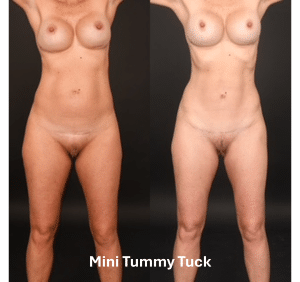
As a board-certified plastic surgeon, I, Dr. Sam Jejurikar, perform a high volume of tummy tuck procedures, helping patients achieve a flatter, more contoured abdomen. I’m fortunate to have been selected to D Magazine’s Best Doctors list for the past five years and Newsweek’s Best Plastic Surgeons list for the past three years. When considering a tummy tuck, it’s important to understand the different options. What are the differences between, mini, traditional, extended and circumferential tummy tuck? The main difference between each type is incision length, but all allow for muscle tightening (rectus plication) and liposuction to enhance results.

Mini Tummy Tuck: Subtle Enhancement with a Small Incision

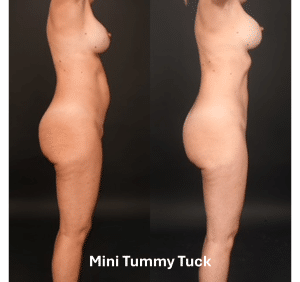
A mini tummy tuck is ideal for patients with mild skin laxity below the belly button. The incision is short, similar to a C-section scar. This procedure removes excess skin, tightens lower abdominal muscles, and preserves the belly button. While there’s no incision around the belly button, I can perform an umbilical float (navel repositioning), slightly lowering it for a more natural result.

Ideal Candidate:

✔ Mild skin laxity below the navel
✔ Shorter recovery than a full tummy tuck
✔ Close to ideal body weight with limited need for skin removal

Traditional Tummy Tuck: Comprehensive Abdominal Rejuvenation

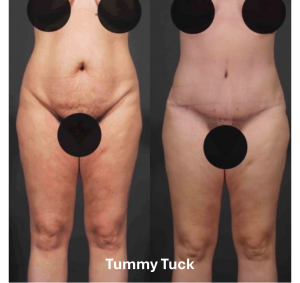
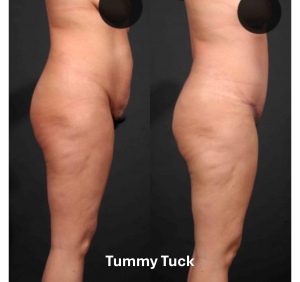
A full tummy tuck removes excess skin and tightens muscles from the ribcage down to the pubic area. The incision runs from hip to hip but stays low enough to be hidden by most underwear and swimsuits. The belly button is repositioned, ensuring a natural appearance. While this procedure dramatically tightens the front of the abdomen, it does not provide as much contouring to the sides or waist.

Ideal Candidate:

✔ Excess skin and muscle laxity after pregnancy or weight loss
✔ Desire for a flatter, firmer abdomen
✔ Needs full rectus muscle repair but not much lateral contouring

Extended Tummy Tuck: Dramatic Hourglass Contouring

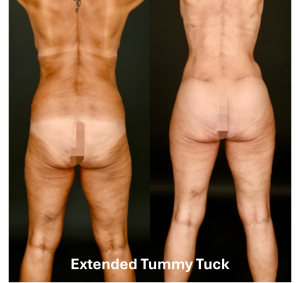
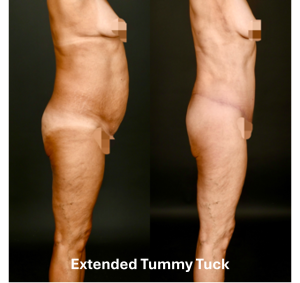
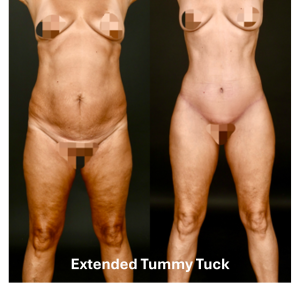
An extended tummy tuck goes beyond the traditional approach by removing excess skin that extends past the abdomen to the sides of the waist. The incision reaches beyond the hip bones, allowing for enhanced sculpting of the flanks and waistline. This procedure is excellent for patients seeking a dramatic hourglass figure and greater definition beyond the front of the abdomen.

Ideal Candidate:

✔ Loose skin extending past the abdomen
✔ Desire for more contouring along the waist and hips
✔ Desires dramatic reshaping of body to create an hourglass silhouette

Circumferential Tummy Tuck: 360-Degree Contouring with Gluteal Enhancement

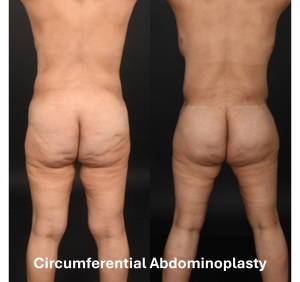
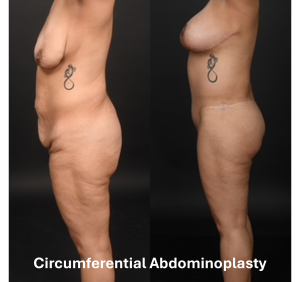
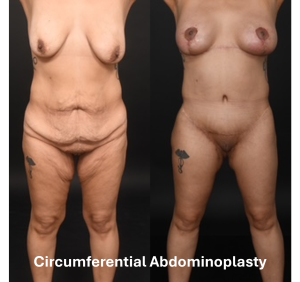
A circumferential tummy tuck, also called a body lift, removes excess skin from the abdomen, sides, and lower back. The incision extends around the entire waistline, providing a full 360-degree transformation. In addition to creating a flatter, firmer midsection, this procedure allows for gluteal autoaugmentation, where excess tissue from the lower back is used to naturally enhance the buttocks. This option is especially popular among patients who have experienced massive weight loss.

Ideal Candidate:

✔ Significant skin laxity in the abdomen, back, and flanks
✔ Desire for full lower body contouring
✔ Interest in a natural buttock enhancement through autoaugmentation
✔ Stable weight after major weight loss

Choosing the Right Tummy Tuck

The best procedure depends on how much excess skin you have, muscle separation, and your overall goals. I perform muscle tightening and liposuction with all tummy tuck procedures to achieve the best contour possible.

If you’re considering a tummy tuck, I’d love to discuss your options. Schedule a consultation by calling us at 214-827-2814 to create a customized plan for your transformation.

Liposuction is one of the most effective procedures for removing unwanted fat and reshaping the body. However, not all fat is created equally, and the presence of visceral fat can significantly impact the results of body contouring surgery. I frequently encounter requests to perform liposuction on individuals with significant amounts of visceral fat. I must explain to these patients that surgical intervention is not a viable option for treating such fat deposits. Understanding the anatomic location and health implications of visceral fat, its limitations in optimizing the results of surgical procedures, and how to reduce it is essential for both patients and surgeons alike.

Visceral Fat

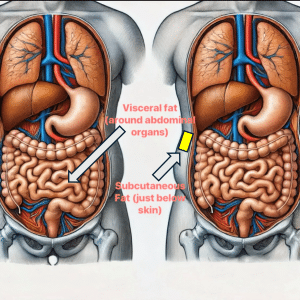
What is visceral fat? Fat in the human body is classified into two main types: subcutaneous fat and visceral fat.

  • Subcutaneous fat is the soft, pinchable fat that lies just beneath the skin. This is the type of fat that can be effectively targeted and removed through liposuction.
  • Visceral fat, on the other hand, is stored deep within the abdominal cavity, surrounding internal organs such as the liver, intestines, and pancreas. Unlike subcutaneous fat, visceral fat cannot be removed through liposuction due to the high risk of perforating the gastrointestinal tract or damaging solid organs.

Why Is Visceral Fat a Concern for Body Contouring Surgery?

Patients seeking body contouring procedures, such as liposuction or abdominoplasty, often expect dramatic results. However, the presence of excessive visceral fat can limit these outcomes for several key reasons:

  1. Inability to Remove Visceral Fat with Liposuction: Liposuction exclusively targets subcutaneous fat, as it involves suctioning fat cells from directly beneath the skin. Visceral fat, which is located inside the abdominal cavity, is inaccessible to liposuction techniques. No surgical method can safely remove visceral fat directly, meaning that patients with a high volume of visceral fat will not achieve the slimmed-down look they desire after surgery.
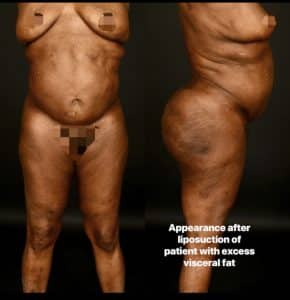
  2. Impact on Abdominal Contouring: Patients with excessive visceral fat will still have a convex abdominal shape after liposuction. This is because the fat pushing outward from inside the abdominal cavity remains unchanged. While liposuction can remove superficial fat and improve body contour, it does not address the deep-seated fat responsible for a bloated midsection.
  3. Increased Surgical Risks: Excess visceral fat is associated with a range of health risks, including insulin resistance and type 2 diabetes, high blood pressure, and cardiovascular disease. From a surgical standpoint, patients with excessive visceral fat may face increased risks of complications such as poor wound healing, infections, and prolonged recovery times.
  4. Affects Muscle Tightening Procedures: In cases of tummy tuck (abdominoplasty), surgeons not only remove excess skin but also tighten the abdominal muscles to enhance contouring. However, significant visceral fat can put pressure on these muscles, making it more difficult to achieve optimal tightening and a flat abdominal profile. This means that even with muscle repair, the desired abdominal flattening may not be fully realized.

How to Reduce Visceral Fat Before Surgery

Because visceral fat cannot be removed surgically, patients must take steps to reduce it through lifestyle modifications. Some effective ways to reduce visceral fat include:

  • Adopt a Healthy Diet: Focus on a high-protein, low-carb, and fiber-rich diet to promote fat loss. Avoiding processed foods, excess sugar, and trans fats can help reduce visceral fat content over time.
  • Exercise Regularly: Engaging in cardiovascular exercises, such as running, cycling, or swimming, helps burn visceral fat more effectively than spot-reducing techniques.
  • Strength Training: Incorporating weightlifting or resistance training into your routine can boost metabolism and promote overall fat loss.
  • Manage Stress and Sleep: Chronic stress and poor sleep are linked to increased visceral fat accumulation. Practicing stress-reduction techniques and maintaining proper sleep hygiene are vital in promoting fat loss.
  • Medical Interventions: For some individuals, GLP-1 agonists (such as Mounjaro or Ozempic) or other medically supervised weight-loss treatments may be recommended to help reduce visceral fat before undergoing surgery.

Who Is an Ideal Candidate for Liposuction?

The best candidates for liposuction are those who:

  • Have realistic expectations about what liposuction can and cannot achieve.
  • Are at or near their ideal body weight with minimal visceral fat.
  • Maintain a healthy lifestyle with balanced nutrition and regular exercise.
  • Have good skin elasticity, which allows for better contouring post-surgery.

Final Thoughts

Liposuction is a powerful tool for refining body shape, but it is not a solution for deep, visceral fat. Patients must understand that visceral fat reduction requires lifestyle changes, and achieving an optimal body contour involves a combination of surgery and personal health management. By taking proactive steps to lower visceral fat before surgery, patients can improve both their surgical results and their overall health. If you’d like to learn more, do not hesitate to reach out to my Dallas Plastic Surgery office (Dr. Sam Jejurikar) at 214-827-2814.

Contact

Contact

Our Location Dallas Plastic Surgery Institute

9101 N. Central Expwy.
Suite 600, Dallas, TX 75231
Tel: 214-827-2814
Dallas | Dr. Jejurikar

Stay Connected

Ready to get started?
Request a Consult