Your own fat is the most versatile filler there is. It is soft, it is permanent once it heals in, and it comes with living cells that improve the quality of the skin above it. Fat grafting, also called fat transfer or lipofilling, takes fat from a place you do not want it, purifies it, and places it where you need volume: the face, the breasts, the buttocks and hips, or the hands. I use it on its own and as part of almost every major operation I perform, because nothing else restores shape as naturally.
How Fat Grafting Works
Fat is harvested with gentle liposuction, usually from the abdomen, flanks or inner thighs, using small blunt cannulas and low suction so the fat cells survive. It is then purified by centrifugation or filtration to remove fluid, oil and blood, leaving concentrated living fat. That fat is placed with fine blunt microcannulas in many tiny threads rather than one large deposit, so every graft sits next to a blood supply and can take. The donor areas are then contoured with VASER liposuction, which means the operation slims one area while it fills another.
Not all of the grafted fat survives. In my hands, roughly 40 to 80 percent takes permanently, and I plan the volumes with that in mind. What survives at three months is yours for good, and it ages with you.
Where I Use Fat Grafting
| Area | What it does | Typical volumes |
|---|---|---|
| Face | Restores the cheeks, temples, under-eye hollows, nasolabial folds and jawline that deflate with age. Softer and longer lasting than fillers, and it improves skin quality over time | A few milliliters per area, 20 to 40 ml in total |
| Breasts | Adds upper fullness and cleavage with a breast lift, softens the edges of implants, restores volume after implant removal, or provides a modest natural augmentation | 100 to 300 ml per breast |
| Buttocks and hips | The Brazilian butt lift: Lipo 360 of the waist with fat transferred to the buttocks and hips for an hourglass shape | 300 to 1,200 ml per side |
| Hands | Covers prominent veins and tendons on the back of aging hands | 10 to 20 ml per hand |
| Contour correction | Fills dents and irregularities from prior liposuction, injury or surgery | Varies |
Fat Grafting Before and After Photos
Three of my patients showing fat grafting to the face, the breasts and the buttocks. Click any photo to see every angle in the gallery.


Fat: The Secret Weapon
Dr. Sal Pacella and I devoted a full episode of Beauty and the Beasts to fat grafting: why it has changed how we approach the face, the breast and the body, what survives and what does not, and where the hype outruns the science.
Am I a Candidate for Fat Grafting?
You are likely a good candidate if you want volume restored naturally, you have enough fat somewhere to donate (most people do, even thin patients for the face), your weight is stable, you are in good general health and you do not smoke. Smoking and nicotine of any kind sharply reduce fat survival, so I ask patients to stop completely before and after surgery. If you are still losing weight or taking a GLP-1 medication, we will time surgery for when your weight has settled, because fat grafts shrink and grow with the rest of your fat.
What to Expect
Facial fat grafting alone takes about an hour and is performed under general anesthesia. Fat grafting to the breasts or buttocks is a larger operation under general anesthesia, two to four hours depending on the liposuction involved. You go home the same day. Expect swelling and bruising in both the donor and recipient areas for two to three weeks; the face looks overfilled at first because I place more than will survive. Most patients are back to desk work within a week. The result settles over three months, and what you see then is permanent.
I use a non-opioid pain protocol, so most patients manage comfortably without narcotics, and I offer hyperbaric oxygen therapy at Foundry Hyperbaric and Wellness, which is especially useful after fat grafting because better oxygen delivery helps the grafted fat survive.
Fat Grafting FAQs
Is fat grafting permanent? The fat that survives the first three months is permanent. It behaves like the fat it came from, so it will enlarge if you gain weight and shrink if you lose a lot.
How is fat different from fillers? Fillers are temporary, cost money every year and sit as a foreign material. Fat is your own living tissue, lasts indefinitely and improves the overlying skin. Fillers still have a role for small touch-ups, and I offer both.
Can fat replace a breast implant? For a modest increase, yes, especially combined with a lift. It cannot match a large implant in a single session, though grafting can be repeated.
Is a BBL safe? Fat must be placed only above the muscle, where it cannot enter large veins. I perform fat grafting to the buttocks with real-time ultrasound guidance so I can see exactly where the cannula is. See the Brazilian Butt Lift page.
Will I have scars? Only tiny puncture marks, a few millimeters each, at the donor and recipient sites. They fade to nearly invisible.
Can fat grafting be combined with a facelift? Yes, and it usually should be. A facelift repositions tissue; fat grafting restores the volume that has been lost. Together they look more natural than either alone.
Fat Grafting Patient Reviews


Recognition
Newsweek has named Dr. Jejurikar one of America’s Best Plastic Surgeons for five consecutive years. He has been named to D Magazine’s Best Doctors in Dallas and Texas Monthly Super Doctors for many years running.
Schedule Your Fat Grafting Consultation in Dallas
If you want volume restored with your own tissue rather than implants or fillers, I would like to examine you and show you what fat grafting can do. Call 214-827-2814 or request a consultation online.
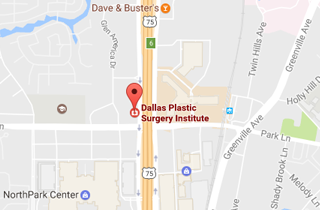
Dallas Plastic Surgery Institute
9101 N. Central Expressway, Suite 600
Dallas, TX 75231
Tel: 214-827-2814