Liposuction is one of the most popular cosmetic procedures, yet myths about it abound. From misconceptions about weight loss to misunderstandings about recovery, these myths often lead patients astray. In a recent episode of Three Plastic Surgeons and a Microphone, I joined Dr. Sam Rhee from Paramus, NJ, and Dr. Lawrence Tong from Toronto, Canada, to tackle some of the most persistent liposuction myths. Here’s a breakdown of what we discussed, along with my expert insights.
Myth 1: Liposuction Is a Weight Loss Procedure
One of the most pervasive myths about liposuction is that it’s designed for weight loss. This couldn’t be further from the truth. Liposuction is a body contouring procedure, not a solution for significant weight reduction.
As Dr. Tong pointed out during the podcast, patients often expect to lose 15 pounds or more from liposuction. While the fat removed can lead to a noticeable change in shape, the actual weight loss is minimal. Liposuction targets specific problem areas—like the abdomen, thighs, or arms—where stubborn fat remains despite diet and exercise.
For best results, patients should already be close to their ideal weight. It’s about sculpting and fine-tuning the body, not dropping dress sizes or shedding pounds overnight.
Myth 2: Liposuction Can Replace a Tummy Tuck
After pregnancy or significant weight loss, many patients come to me hoping that liposuction can address loose skin and stretched abdominal muscles. Unfortunately, liposuction alone cannot deliver the same results as a tummy tuck (abdominoplasty).
During the podcast, I shared my experience with patients who insist on liposuction despite having clear signs of abdominal wall laxity and poor skin elasticity. While they may not want the scar associated with a tummy tuck, liposuction in these cases often leads to unsatisfactory outcomes, such as uneven contours or excess sagging skin.
In these situations, a tummy tuck is the better option because it removes excess skin and repairs separated abdominal muscles. Liposuction can be an excellent complement to a tummy tuck, but it’s not a substitute for it.
Myth 3: Liposuction Prevents Fat from Returning
A common misconception is that once fat is removed via liposuction, it’s gone for good. While it’s true that the removed fat cells won’t regenerate, the remaining fat cells can still expand if you gain weight.
Fat distribution after liposuction varies. If you gain weight post-surgery, fat may appear in untreated areas or even in the treated areas where fat cells remain. For example, visceral fat (the fat around internal organs) in the abdomen cannot be addressed with liposuction and can increase if lifestyle habits don’t change.
Liposuction is not a “get out of jail free” card—it requires ongoing commitment to a healthy lifestyle to maintain results.
Myth 4: Liposuction Results Are Immediate
Patients often expect to walk out of the operating room with their dream body. The truth? It takes time to see the final results.
After liposuction, swelling is a natural part of the healing process and can last for several weeks or even months. Compression garments, which I recommend wearing for at least six weeks, help manage swelling and support the skin as it adjusts to its new contours.
Lymphatic massage, another topic we debated on the podcast, can aid in reducing swelling and speeding up recovery. While I believe it can improve results, especially for patients with compromised skin elasticity, my colleagues had differing opinions. Regardless, patience is key—results continue to improve over time.
Myth 5: There’s No Limit to How Much Fat Can Be Removed
Some patients assume liposuction can remove unlimited amounts of fat in a single session. However, safety guidelines set by the American Society of Plastic Surgeons recommend removing no more than 5 liters of aspirate (a mix of fat, blood, and fluids) during one procedure.
Removing excessive amounts of fat can lead to significant blood loss, electrolyte imbalances, and other complications. For larger-volume liposuction, patients may need to stage the procedure over multiple sessions.
It’s also important to note that not every area of the body is suitable for liposuction. For example, while areas like the abdomen, thighs, and arms are common targets, regions like the forearms or spine are not amenable to this procedure.
Myth 6: Liposuction Isn’t “Real” Surgery
Because liposuction involves small incisions, some people think it’s a minor procedure with minimal risks. However, liposuction is still a surgical operation that carries potential complications, such as infection, contour irregularities, and skin laxity.
Choosing a board-certified plastic surgeon with extensive experience is crucial. During our podcast, we emphasized the importance of patient education and setting realistic expectations for both the procedure and recovery process.
Myth 7: Awake Liposuction Is Just as Effective
Awake liposuction, where the patient remains conscious with minimal sedation, is becoming more common. While this approach may work for small areas like the neck or chin, it’s not ideal for larger-volume liposuction.
When patients are awake, surgeons must work more slowly to avoid causing discomfort, which limits how aggressive they can be. For larger areas, general anesthesia allows for more comprehensive fat removal and a more precise, sculpted result.
Myth 8: Compression Garments and Massage Aren’t Necessary
Compression garments and lymphatic massages are essential parts of the recovery process. These tools help reduce swelling, improve circulation, and support the skin as it heals.
For patients with good skin elasticity, these measures may not be as critical. However, for those with mild laxity or stretch marks, they can make a noticeable difference in the final result. In my practice, I often recommend wearing compression garments for up to six months to ensure the best outcome.
Fat grafting, often used for Brazilian Butt Lifts (BBLs) or breast augmentation, can be safely combined with liposuction. While some worry that technologies like VASER or power-assisted liposuction may damage fat cells, research shows that fat harvested using these methods remains viable for transfer.
That said, not all the transferred fat will survive. On average, patients can expect 50-60% of the fat to persist long-term, with results varying based on the area and injection technique.
Myth 10: Liposuction Can Be Done Anywhere
Finally, some patients believe liposuction can be performed on any part of the body. While areas like the abdomen, thighs, and flanks are common, regions like the ankles or knees require careful evaluation. As Dr. Tong noted, liposuction of the lower legs can yield excellent results in the right patient, but recovery may involve prolonged swelling.
Final Thoughts
Liposuction is a transformative procedure, but understanding its limitations and risks is essential for achieving the best results. As a board-certified plastic surgeon in Dallas, I’m committed to providing honest, thorough consultations to help patients choose the right procedure for their needs.
If you’re considering liposuction or have questions about body contouring, feel free to reach out to my office. Let’s work together to achieve your aesthetic goals.
In these tough economic times, discussing fiscal responsibility on a plastic surgery blog may seem like an odd topic. However, we’ve heard from many patients who feel that plastic surgery seems exorbitantly expensive and out of reach. We want to stress that achieving your aesthetic goals can be affordable, but we also feel strongly that patients should be financially prepared before making this investment in themselves. By approaching plastic surgery with a thoughtful and responsible financial plan, you can make your dream transformation a reality.
Building a Financial Foundation: The First Step to Realizing Your Goals
Before diving into any major financial commitment, it’s crucial to have a solid foundation in place. This means ensuring that you’ve taken care of essential financial responsibilities:
Create an Emergency Fund: Experts recommend setting aside 3 to 6 months of living expenses in an emergency fund. This ensures you’re prepared for unexpected events without needing to rely on credit cards or loans.
Pay Down High-Interest Debt: Credit card balances with high interest rates can drain your finances over time. Focus on reducing or eliminating this type of debt before considering elective expenses like surgery.
Set a Realistic Budget: Understanding where your money goes each month helps you see how much you can comfortably allocate toward your savings goals.
By prioritizing these steps, you create a safety net that allows you to pursue personal investments—like plastic surgery—without added stress.
How Much Should You Have Saved?
While financial circumstances vary, having savings benchmarks can help you assess whether you’re ready to invest in plastic surgery. Here are some general guidelines:
Emergency Fund: As mentioned earlier, this is your top priority.
Retirement Savings: Aim to have at least 1x your annual salary saved by age 30, 3x by 40, and so on. If you’re meeting this target, you can feel more confident about pursuing discretionary expenses.
Plastic Surgery Fund: Once your essentials are covered, consider creating a dedicated savings fund for your procedure. Start by setting aside a manageable amount from each paycheck. Even $200 a month can grow into $2,400 in a year—a significant step toward your goal.
Making Plastic Surgery Affordable
Achieving your dream of plastic surgery doesn’t have to mean waiting years to save every dollar upfront. Financing options can help bridge the gap, allowing you to enjoy the benefits of your transformation sooner. Here are some ways to make your procedure more affordable:
PatientFi: PatientFi is a standout financing option for plastic surgery, offering patient-friendly terms with transparent pricing and no hidden fees. Designed specifically for elective medical procedures, PatientFi allows you to break down the cost of your surgery into manageable monthly payments without the stress of upfront costs. Their approval process is simple and streamlined, making it easier for you to focus on your transformation.
Flexible Payment Plans: Many plastic surgeons offer in-house financing or work with third-party lenders to provide flexible payment options. This allows you to break the cost into manageable monthly installments.
Medical Credit Cards: Services like CareCredit specialize in financing healthcare expenses, including cosmetic surgery. These cards often offer promotional interest-free periods, making them an attractive option if you can pay off the balance within the promotional timeframe.
Personal Loans: Traditional personal loans can also be used for plastic surgery. Look for lenders with competitive interest rates and clear repayment terms.
When considering financing, it’s important to understand the total cost, including interest rates and fees, and ensure your monthly payments fit comfortably within your budget.
Why Investing in Plastic Surgery is Worth It
Plastic surgery is more than an expense; it’s an investment in your confidence, quality of life, and overall well-being. Whether it’s a procedure that helps you feel more comfortable in your skin or one that restores your body after significant life changes, the benefits often extend far beyond the physical.
By taking a thoughtful, financially responsible approach, you can achieve your aesthetic goals without compromising your financial security. This balance allows you to fully enjoy the transformation and all the positive changes it brings.
Practical Steps to Get Started
Ready to take the next step? Here’s how to turn your dream into reality:
Schedule a Consultation: A consultation with a qualified plastic surgeon is the best way to understand the costs associated with your desired procedure. During this meeting, you can also learn about the financing options available to you.
Plan Your Budget: Take the information from your consultation and incorporate it into your financial plan. Determine how much you can afford to save or pay monthly toward your procedure.
Explore Financing Options: Discuss your options with your surgeon’s office to find the best plan for your needs. Be open about your budget so they can guide you toward the most suitable solution.
Set a Timeline: If saving for your procedure, create a realistic timeline for achieving your goal. If financing, make sure you’re comfortable with the repayment schedule.
Transforming Your Dreams Into Reality
Fiscal responsibility and achieving your dream of plastic surgery don’t have to be mutually exclusive. With careful planning, savings, and the right financing, you can take this exciting step toward a more confident and empowered version of yourself. Start your journey today by reaching out for a consultation—your dream is closer than you think.
The Omnilux Mask has become a standout tool in skincare, offering an easy, effective way to rejuvenate skin, minimize fine lines, and promote overall skin health—all from the comfort of your home. As a plastic surgeon, I’m always on the lookout for non-invasive solutions that complement professional treatments, and the Omnilux Mask has become a personal favorite. Not only do I use it regularly, but I’ve also seen its benefits firsthand for my patients.
I got my Omnilux Mask, along with all my skincare products, from the expert team at EpiCentre Skin Care and Laser Center, where their knowledgeable aestheticians created a personalized skincare plan tailored just for me.
What is the Omnilux Mask?
The Omnilux Mask is an FDA-cleared light therapy device that uses LED light to improve skin quality, reduce inflammation, and promote healing. Designed for at-home use, the mask delivers specific wavelengths of light that target a variety of skin concerns.
How Does It Work?
The mask uses LED light therapy, a technology supported by extensive clinical research. Depending on the wavelengths, the Omnilux Mask delivers a variety of benefits:
Red Light (633nm): Boosts collagen production, reduces fine lines, and calms inflammation for smoother, more youthful-looking skin.
Near-Infrared Light (830nm): Penetrates deeply to accelerate tissue repair, making it particularly effective for post-surgical recovery or improving skin elasticity.
Blue Light (415nm, available in some versions): Targets acne-causing bacteria, improving clarity and reducing breakouts.
What Does the Science Say?
LED light therapy is backed by robust scientific evidence. Here’s what studies have shown:
Improved Collagen Production: Red light stimulates fibroblasts, leading to increased collagen and elastin.
Reduced Inflammation: Red and near-infrared light reduce redness and irritation, making it ideal for sensitive or healing skin.
Enhanced Healing: Light therapy accelerates cell repair and regeneration, which is why it’s often used in post-surgical care.
Acne Reduction: Blue light effectively kills acne-causing bacteria, reducing the frequency and severity of breakouts.
How I Use the Omnilux Mask
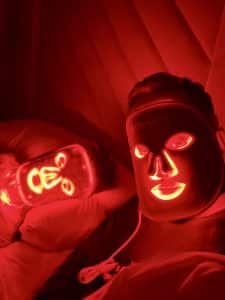
The Omnilux Mask has become a regular part of my skincare routine, as well as my wife’s. Here’s how we incorporate it:
Regular Use: We use the mask 3-4 times a week to keep our skin healthy and radiant.
Post-Treatment Recovery: After professional treatments or procedures, we use the mask to calm redness and speed up healing.
Personalized Skincare Plan: Our skincare regimen—including the Omnilux Mask—was developed in collaboration with the skilled aestheticians at EpiCentre Skin Care and Laser Center. They recommended the mask and selected products that work perfectly for our differing skin’s needs.
Why EpiCentre Skin Care and Laser Center?
When it comes to skincare, there’s no one-size-fits-all solution. That’s why I trust the aestheticians at EpiCentre Skin Care and Laser Center. Their expertise ensures that every patient receives an individualized plan tailored to their specific goals. Whether you’re interested in the Omnilux Mask, professional treatments, or finding the right products, their team can guide you toward healthier, more radiant skin.
In fact, I purchased my Omnilux Mask and all my skincare products from EpiCentre Skin Care and Laser Center. Their personalized approach is unmatched, and I recommend them to anyone serious about achieving and maintaining great skin.
Interested in the Omnilux Mask?
If you’d like to learn more about the Omnilux Mask or are ready to create your own personalized skincare plan, I highly recommend reaching out to the team at EpiCentre Skin Care and Laser Center. Their expert guidance and professional-grade products can help you achieve your skincare goals.
The Omnilux Mask is a fantastic addition to any skincare routine, whether you’re recovering from a procedure or simply looking to keep your skin glowing. Combined with a personalized plan from EpiCentre Skin Care and Laser Center, it’s an excellent way to optimize your skin health.
Let’s work together to keep your skin looking and feeling its best!
Breast augmentation has advanced significantly in recent years, and for women seeking a natural look and feel, Motiva implants are among the most exciting options available. Recently approved by the FDA in late September, these implants combine cutting-edge technology, safety, and aesthetics, making them a fantastic choice for patients.
At our Dallas practice, we are proud to offer Motiva implants, bringing the latest advancements in implant technology to our patients. While new to the U.S. market, these implants have been used internationally for years, and our team has significant experience using them to deliver exceptional results.
What Sets Motiva Implants Apart?
Motiva implants are designed to provide both aesthetic and functional benefits, making them particularly appealing to women who desire a natural enhancement. Their innovative features, including Ergonomix technology and a unique surface design, help patients achieve their goals with confidence.
1. Ergonomix Technology for a Natural Look and Feel
Motiva’s Ergonomix implants use a special viscoelastic gel that mimics the movement and texture of natural breast tissue.
Natural Movement: The implants adapt to body position, creating a teardrop shape when standing and a rounder contour when lying down.
Soft and Supple Feel: The advanced gel provides a softness and pliability that closely resembles natural breast tissue.
For patients prioritizing a natural appearance, Motiva implants are a standout choice.
2. Low Capsular Contracture Rate
One of the most important benefits of Motiva implants is their low rate of capsular contracture. Capsular contracture occurs when scar tissue forms around the implant, causing it to harden or distort.
Promotes smooth integration with the body’s tissues.
This advanced surface design not only improves safety but also opens the door to surgical techniques that may not be ideal for other implants.
3. Subfascial Augmentation: Quicker Recovery and Natural Results
Motiva implants are particularly well-suited for subfascial placement, a surgical technique where the implant is placed beneath the fascia (a thin layer of connective tissue) but above the chest muscle.
The Benefits of Subfascial Placement:
Faster Recovery:
Subfascial augmentation avoids disrupting the chest muscles, leading to less pain, swelling, and downtime compared to submuscular placement. Patients often return to their normal routines more quickly.
Natural Appearance:
The fascia layer provides a natural, supportive covering for the implant, allowing it to settle seamlessly within the breast. Combined with Motiva’s ergonomic properties, this placement creates a smooth, natural-looking contour.
Preservation of Muscle Function:
Because the chest muscles are left untouched, patients avoid muscle-related complications like distortion during arm movements or exercise, which can occur with submuscular placement.
Reduced Animation Deformity:
Unlike submuscular implants, which can move unnaturally with muscle contraction, subfascial implants remain stable, ensuring consistent results whether at rest or in motion.
Safety and Durability:
Motiva’s low capsular contracture rate makes subfascial placement a safe, durable option that reduces the risk of complications over time.
By combining Motiva implants with the subfascial technique, our practice is able to deliver results that are not only beautiful but also comfortable and long-lasting.
Motiva’s FDA Approval and Advanced Technology
While Motiva implants were only recently FDA-approved in the U.S., they have been widely used internationally with an excellent track record. Their advanced features, including the viscoelastic gel and SilkSurface™ technology, set a new standard for breast implant safety and aesthetics.
We are proud to offer these cutting-edge implants at our Dallas office, ensuring patients can benefit from the latest advancements in breast augmentation.
Why Choose Motiva Implants in Dallas?
At our practice, we prioritize delivering personalized care and exceptional results. Motiva implants allow us to provide patients with:
A natural look and feel that closely mimics natural breast tissue.
Faster recovery times thanks to subfascial augmentation.
The peace of mind that comes with advanced, FDA-approved technology.
Our team’s experience with Motiva implants and the subfascial technique ensures that each patient’s procedure is tailored to their unique anatomy and aesthetic goals. Whether you’re seeking a subtle enhancement or a more dramatic transformation, we’re here to guide you every step of the way.
Schedule Your Consultation
If you’re considering Motiva implants for your breast augmentation in Dallas, we invite you to schedule a consultation with our team. We’ll discuss your goals, explain your options, and develop a personalized treatment plan designed to help you look and feel your best.
Let’s achieve your aesthetic goals with the most advanced implants and techniques available today!
Facelift recovery is as important as the surgery itself when it comes to achieving the refreshed, youthful look patients desire. Over the years, we’ve seen many patients inquiring about ways to enhance their recovery, and one trend we’ve noticed gaining traction is Hyperbaric Oxygen Therapy (HBOT). Many patients have started exploring this option on their own, and we’ve had the opportunity to witness the remarkable benefits it can bring to the healing process.
While HBOT isn’t a requirement for recovery, it can be an excellent way to optimize your results and make the recovery journey smoother and more comfortable.
What is Hyperbaric Oxygen Therapy?
For those who might be unfamiliar, HBOT involves breathing pure oxygen in a pressurized environment. This process delivers increased levels of oxygen to your bloodstream and tissues, which can help with healing, reducing inflammation, and enhancing overall recovery.
What We’ve Observed
Patients who’ve incorporated HBOT into their facelift recovery often report noticeable improvements, including:
Faster healing of incisions: Enhanced oxygen delivery promotes tissue repair, helping wounds close more quickly and cleanly.
Reduced swelling and bruising: Many patients tell us that their swelling subsides faster with HBOT, and bruises fade more quickly.
Improved skin health: Beyond the surgical results, patients often notice that their skin feels more vibrant and rejuvenated.
Enhanced overall recovery experience: Patients frequently describe feeling like their recovery process is more seamless and less uncomfortable.
We’ve personally seen these benefits in patients who choose to include HBOT in their recovery plan, and it’s been exciting to hear their positive feedback.
Why Consider HBOT?
While it’s not essential, HBOT can optimize your recovery in several ways:
It provides your healing tissues with the oxygen they need to repair and regenerate efficiently.
It helps with inflammation and fluid buildup, which can make your recovery feel smoother and help you get back to normal activities sooner.
It supports your overall skin health and may enhance the final look of your results.
For patients who are looking for ways to maximize their recovery and results, HBOT is a great option to explore.
A Recovery That Works for You
Every patient is different, and the recovery process is highly individualized. Whether you’re interested in exploring HBOT or prefer to stick to the basics, the most important thing is following the plan that works best for you. We’re here to help guide you every step of the way and ensure you feel confident in your recovery journey.
If you’d like to learn more about how HBOT could fit into your facelift recovery or have questions about optimizing your healing process, don’t hesitate to reach out to us. We’d be happy to share more about what we’ve seen and how it could benefit you.
We are thrilled to announce that Dr. Sam Jejurikar has been named a contributing editor for Plastic and Reconstructive Surgery (PRS), the premier peer-reviewed journal in the field of plastic surgery. This prestigious appointment is a testament to Dr. Jejurikar’s dedication to advancing the art and science of plastic surgery, as well as his commitment to excellence in patient care, research, and education.
As the leading publication in the specialty, PRS serves as a critical platform for sharing groundbreaking research, innovative techniques, and thought leadership in plastic surgery. Becoming a contributing editor is a highly selective honor, reflecting Dr. Jejurikar’s expertise and his contributions to the field.
About Plastic and Reconstructive Surgery
Published by the American Society of Plastic Surgeons (ASPS), PRS is recognized globally as the authoritative source for information on plastic surgery, featuring original articles, reviews, and clinical updates that influence the practice of plastic surgeons worldwide. Contributing editors are entrusted with shaping the journal’s content by ensuring it meets the highest standards of accuracy, relevance, and scientific rigor.
Dr. Jejurikar’s Vision
Dr. Jejurikar’s appointment as a contributing editor represents an exciting opportunity to help steer the direction of plastic surgery advancements. His extensive clinical experience in both aesthetic and reconstructive surgery, combined with his passion for education, uniquely positions him to contribute valuable insights to the journal’s editorial process.
Reflecting on this honor, Dr. Jejurikar shared: “It’s a privilege to contribute to Plastic and Reconstructive Surgery as part of its editorial team. This journal has been instrumental in shaping my career and the careers of countless surgeons around the world. I look forward to supporting its mission to elevate the practice of plastic surgery and inspire the next generation of surgeons.”
A Commitment to Excellence
Dr. Jejurikar’s patients and peers know him for his meticulous attention to detail, innovative approaches, and compassionate care. These same qualities will now guide his editorial contributions, helping to ensure that PRS continues to set the standard for plastic surgery research and education.
Please join us in congratulating Dr. Jejurikar on this remarkable achievement. His role as a contributing editor underscores his commitment to staying at the forefront of the specialty and advancing the practice of plastic surgery for the benefit of patients and practitioners alike.
Stay tuned for more updates as Dr. Jejurikar embarks on this exciting new chapter in his career!
We Are Pleased to Announce: Dr. Sam Jejurikar Named Among America’s Best Plastic Surgeons
We are thrilled to announce that Dr. Sam Jejurikar has been included in Newsweek’s prestigious list of America’s Best Plastic Surgeons for the third consecutive year. This recognition highlights Dr. Jejurikar’s expertise in rhinoplasty and liposuction, as well as his unwavering commitment to delivering exceptional care and transformative results for his patients.
Compiled in collaboration with Statista, Newsweek’s rankings identify the top 150 plastic surgeons in the country across five categories: breast augmentation, liposuction, facelift, rhinoplasty, and eyelid surgery. Dr. Jejurikar’s inclusion in the top tier for rhinoplasty and liposuction underscores his skill in these highly specialized procedures and reflects the trust he has earned from patients and peers alike.
With the continued growth of elective plastic surgery, now more than ever, patients rely on trusted resources to find the best surgeons. Newsweek’s rankings aim to guide individuals in making informed decisions, and we are proud that Dr. Jejurikar has been recognized among the best in the field. You can view the full Newsweek America’s Best Plastic Surgeons list here.
Advancing Excellence in Plastic Surgery
Dr. Jejurikar’s expertise and dedication to patient care have made him a trusted name in Dallas and beyond. His meticulous approach to complex procedures, such as rhinoplasty and liposuction, ensures natural, transformative results that enhance both appearance and confidence.
This honor reaffirms his commitment to staying at the forefront of advancements in plastic surgery, combining technical skill with personalized care to deliver the highest standard of outcomes.
About Our Practice
At our practice, we are proud to offer cutting-edge procedures tailored to meet each patient’s unique goals. Dr. Jejurikar and our team prioritize patient safety, satisfaction, and innovation, ensuring that every individual receives the exceptional care they deserve.
If you are considering plastic surgery and want to learn more about our services, contact our office or schedule a consultation today. We look forward to helping you achieve your aesthetic goals with confidence.
We are honored to celebrate Dr. Jejurikar’s well-deserved recognition and look forward to continuing to provide unparalleled care for all our patients.
Exploring the New Motiva Implants: Natural Results and Advanced Safety
When it comes to breast augmentation, patients and surgeons alike are always looking for innovations that prioritize safety, aesthetics, and comfort. Motiva Implants are the latest advancement in breast implant technology, offering natural-looking results, reduced risk of complications, and groundbreaking designs like the Ergonomix implant. Here’s what makes Motiva Implants a game-changer in the world of breast aesthetics.
What Are Motiva Implants?
Motiva Implants are a next-generation line of silicone breast implants designed with cutting-edge technology to improve both aesthetic outcomes and patient safety. They feature a specialized silicone gel that mimics natural breast tissue and adapt to the body’s natural movement. This unique approach creates a soft, natural appearance while minimizing common complications associated with traditional implants.
Motiva offers various implant styles to cater to individual preferences and body types, with the Motiva Ergonomix implant being particularly noteworthy for its ability to achieve exceptionally natural results.
Why Surgeons and Patients Are Choosing Motiva Implants
1. Low Rates of Capsular Contracture
One of the most common complications in breast augmentation is capsular contracture, where scar tissue around the implant tightens, leading to discomfort and changes in breast appearance. Motiva’s advanced SmoothSilk®/SilkSurface® technology creates a uniquely smooth implant surface designed to reduce irritation and inflammation, significantly lowering the risk of capsular contracture.
Clinical studies have shown that Motiva Implants are associated with capsular contracture rates as low as 1%, compared to rates of 10% or more in traditional implants. This makes Motiva a compelling choice for patients focused on safety and long-term results.
2. Natural Results with Ergonomix
The Motiva Ergonomix implant is specifically engineered to mimic the look, feel, and movement of natural breast tissue. These implants feature a progressive gel that shifts with body positioning—appearing fuller when standing and more natural when lying down, similar to how real breast tissue behaves.
This dynamic behavior, combined with the implant’s soft texture, makes Ergonomix implants ideal for patients seeking subtle, natural-looking enhancements. Whether for primary breast augmentation or reconstruction, the Ergonomix line delivers results that seamlessly integrate with the patient’s natural anatomy.
3. Comprehensive Safety Features
Motiva Implants aren’t just about aesthetics—they prioritize patient safety with innovative features:
BluSeal® Technology: A visual indicator that ensures the implant shell is intact and minimizes silicone gel leakage risks.
TrueMonobloc® Design: Improves implant durability and strength without compromising softness.
Q Inside Safety Technology®: An optional feature that embeds a micro-transponder within the implant, allowing surgeons to access implant details safely and securely without invasive procedures.
Is Motiva Right for You?
Motiva Implants are an excellent option for patients seeking a natural, aesthetically pleasing result with reduced risks of complications like capsular contracture. The variety of implant sizes, shapes, and features—like Ergonomix—ensure a personalized fit for each patient’s needs and goals.
As with any procedure, it’s essential to consult with an experienced plastic surgeon to determine whether Motiva Implants are the best choice for you. Your surgeon will assess your goals, body type, and medical history to create a plan that delivers safe and beautiful results.
Final Thoughts
Motiva Implants represent a new era in breast augmentation, combining natural aesthetics with advanced safety features. With their low capsular contracture rates, dynamic movement, and cutting-edge technology, Motiva Implants provide a unique and innovative solution for patients looking to enhance their appearance with confidence.
If you’re considering breast augmentation and want to learn more about Motiva Implants, including the Ergonomix line, schedule a consultation with our office. We’re here to guide you every step of the way toward achieving your aesthetic goals.
Animation deformity is a condition that can occur after breast augmentation surgery, specifically in cases where the implants are placed under the chest muscle, known as submuscular placement. This condition is characterized by an unnatural movement or distortion of the breasts when the chest muscles, particularly the pectorals, contract. For example, during activities such as flexing the pectoral muscles or engaging in physical exercise, the breasts may appear to shift or distort in an awkward way.
For many patients, animation deformity can be more than just a cosmetic concern. It may also cause physical discomfort, especially during activities that involve muscle contractions like lifting weights or other forms of intense exercise. This can be especially troubling for individuals who are physically active or those who engage in regular workouts.
Preventing Animation Deformity: The Role of Subfascial Breast Augmentation
One promising solution to prevent animation deformity is subfascial breast augmentation. This innovative surgical approach involves placing the breast implant beneath the fascia (a thin layer of connective tissue) that covers the chest muscle, but above the muscle itself. This method is distinct from traditional submuscular placement, where the implant is placed directly under the muscle.
Subfascial augmentation offers a number of important benefits, including:
Natural Aesthetics: The implant’s position in the subfascial plane reduces the interference of the chest muscle, helping to preserve a smooth, natural contour of the breast. This placement minimizes the likelihood of the breasts looking distorted or moving unnaturally when the muscles contract.
Reduced Risk of Animation Deformity: Because the implant is not placed directly under the muscle, there is no risk of it being pushed or distorted during muscle contractions. This makes subfascial placement an ideal option for those who are active and engage in exercises that involve significant muscle movement.
Improved Comfort: Patients who have had submuscular implants sometimes experience discomfort during physical activity due to the pressure placed on the chest muscle. Subfascial placement, however, eliminates this discomfort, providing a more comfortable experience for the patient, especially during exercise.
The Advantages of Motiva Breast Implants
Motiva breast implants are a leading option in the world of breast augmentation, known for their advanced technology and high patient satisfaction. These implants have been increasingly popular around the globe, and their recent approval for use in the United States has made them an even more attractive choice for patients seeking breast augmentation with subfascial placement.
Here are some of the key features that make Motiva implants stand out:
Advanced Silicone Gel: Motiva implants are filled with ProgressiveGel™ Plus or ProgressiveGel™ Ultima, which are designed to closely mimic the natural look and feel of breast tissue. These gels provide a soft, natural feel that enhances both the appearance and the tactile experience of the breasts.
Dynamic Surface Technology: Motiva implants are equipped with a textured surface designed to improve tissue integration, helping the implant stay securely in place while reducing the risk of complications such as capsular contracture, a common issue where the scar tissue around the implant tightens and hardens.
Ergonomic Shape: The ergonomic shape of Motiva implants allows them to adapt to the natural movements of the body, making them look and feel more natural. This dynamic design enhances both the aesthetic and functional benefits of breast augmentation, especially for patients who lead active lifestyles.
Microchip Technology: Some Motiva implants are equipped with Q Inside Safety Technology™, a unique microchip embedded in the implant. This allows for non-invasive verification of the implant’s information, providing patients and surgeons with a higher level of safety and peace of mind.
Global Success and US Approval
Motiva implants have been used successfully in Europe, Latin America, and Asia for several years, gaining widespread trust among both surgeons and patients. Studies have shown that Motiva implants tend to have fewer complications and offer superior outcomes compared to traditional breast implants. The FDA’s recent approval of Motiva implants for use in the United States allows American patients to benefit from the same innovative design and excellent results that have made Motiva a trusted name in breast augmentation worldwide.
Why Consider Subfascial Augmentation with Motiva Implants?
For individuals concerned about animation deformity or those seeking a more natural and long-lasting result, subfascial breast augmentation with Motiva implants offers an excellent option. This combination provides:
Aesthetic enhancement with a natural appearance and minimal risk of distortion during muscle contractions.
Enhanced comfort during exercise and daily activities, as the subfascial placement eliminates discomfort associated with muscle pressure.
Access to cutting-edge implant technology, designed to offer superior results and fewer complications compared to traditional breast implants.
Conclusion
Animation deformity can be a major concern for individuals who have undergone breast augmentation with submuscular implants, particularly for those with active lifestyles. Subfascial breast augmentation offers a modern solution that minimizes the risk of this deformity while providing natural, aesthetically pleasing results. When combined with the advanced technology of Motiva implants, this approach ensures that patients not only achieve their desired look but also experience improved comfort and fewer complications.
If you’re considering breast augmentation and are concerned about animation deformity, consult with your surgeon to determine whether subfascial placement and Motiva implants are right for you. By working together with your medical professional, you can create a personalized plan that helps you achieve your aesthetic goals.
For more information or to schedule a consultation, don’t hesitate to contact our office. We’re here to help guide you through the process and provide the best options for your needs.
Dr. Sam Rhee: Hello and welcome to Three Plastic Surgeons and a Microphone, as always joined by my fellow colleagues, Dr. Sal Pacella in La Jolla, California. His Instagram handle is San Diego, the plastic surgeon. Dr. Sam Jejurikar is in Dallas, TX; his Instagram handle is Dr. Sam Jejurikar, and I am Dr. Sam Rhee in Amos, New Jersey. And my Instagram handle is at Bergen Cosmetic.
Today we are going to be talking about abdominoplasty. Our last episode was almost a year ago, and it was one of our most popular episodes. And it’s one of those topics that many people have a lot of interest and questions about. So we’re definitely going to take a deeper dive into it today and talk a little bit more about it. But first, as always, we have our disclaimer.
Dr. Salvatore Pacella: This show is not a substitute for professional medical advice, diagnosis, or treatment. This show is for informational purposes only. Treatment and results may vary based on the circumstances, situation, and medical judgment. After appropriate discussion, always seek the advice of your surgeon or other qualified health provider with any questions you may have regarding medical care. Never disregard professional medical advice or delay seeking advice because of something in this show.
Understanding Tummy Tuck Options: Liposuction vs. Abdominoplasty
Dr. Sam Jejurikar: And I will lead the discussion today, gentlemen. As Sam had mentioned, our last episode on tummy tuck was one I had gotten the most questions and comments about from viewers, so we thought we would revisit it. I generally have found, and tell me if you disagree with me. Most people don’t want a tummy tuck. That’s not a thing that anybody ever comes in and says, Dr., I really want a tummy tuck. But it’s a thing that people are generally reconciled towards.
So I thought the way we would lead the discussion today was I would show you a case and then ask you a bunch of questions. So this lovely woman is in her mid-30s and has three kids. She says she’s a little overweight. She wants to lose about 20 or 25 pounds. She doesn’t like the way her tummy looks. We also talked about her breast and did some stuff on her breast. But we’ll leave that out of today’s discussion. But just wants to know, Dr. Pacella, do I have to have a tummy tug? Can you just do liposuction on me and make me look better?
Dr. Salvatore Pacella: It’s a very common question we get, and what I tell patients is, well, two things. Number one is there are different two different positions where the fat could be on your belly. There’s external fat, and then there’s internal fat. Right? And so that, wow, perfect set up here. Wow! It’s like…
Dr. Sam Jejurikar: If we coordinated this.
Dr. Salvatore Pacella: And often patients, I think, sometimes have some difficulty articulating or understanding this. Those patients have a lot of intra-abdominal fat, and they are probably at least moderately overweight to start with. A tummy tuck will have a very challenging result to look good because that intra-abdominal fat cannot be compressed, one thinks. And so the protuberance of this fat oftentimes just doesn’t create a very nice, natural hourglass shape.
So patients who are more amenable to getting their cosmetic results from a tummy tuck oftentimes have a lot of external fat and skin compared to internal fat. The second most important thing that I tell patients is that skin consistency with that external fat is very important. So let’s go back to your previous patient here.
So, looking at her now, obviously, without doing a physical exam on her, her belly is not massively perturbed by any means, and she does have some adiposity or some fatty tissue on her love handle area. And centrally, I think with this patient, I certainly would have a discussion about potentially just using liposuction, particularly over the front and sides of the belly.
But I will qualify that by saying it’s not going to do much for your skin. Your skin has decent consistency and elasticity; it may contract a bit, but if you want the tightest look possible, a tummy tuck will do it.
Dr. Sam Jejurikar: What about you, Dr. Rhee?
Dr. Sam Rhee: I think Sal hit the nail on the head, and you said it too, Sam. People don’t come in saying, give me a large incision right down there on my belly. You’re right; nobody actually comes in. Very few actually come in asking for that. So when you have a patient, and I’ve had patients very similar to ones that look like this, who say, you know what, I don’t want that cut. Can you just do liposuction for me? I don’t want anything else.
I’ll have that discussion that Sal just had with that patient, and it’s really about trying to accommodate that patient but also letting them know what the potential consequences are as well. I think that’s a give-and-a-take that you always have with every patient, and you sort of have to work with them. Liposuction only removes fat. If you have to remove the skin, you’re going to have to make a cut somewhere on the body. That’s just the physical truth, and you have to talk to the patient about that.
Dr. Salvatore Pacella: Yeah, I would say in this particular patient, again, it’s not super detailed; there’s a little pixelation. But suppose that skin has decent elasticity and stretches a bit. In that case, I might consider simply doing liposuction with maybe what I call a mini tummy tuck, which is removing a small amount of skin inferiorly. And I think if the patient is not keen on the idea of a big, massive incision or the big recovery associated with a tummy tuck, and she realizes that it’s not going to get nearly as tight, that may be a decent option, a little mini abdominoplasty with some anterior liposuction.
Dr. Sam Jejurikar: So in that scenario, Sal, which I think is very reasonable. What would you do with her muscles? Because when you look at this, particularly the lower portion of her tummy, there’s a little poop. Would you placate the muscle, which tightens the muscle? The people don’t know what that word means, or would you just leave it alone?
Dr. Salvatore Pacella: Yeah, so good question. It’s obviously hard to see just on the photograph, but that will be one thing I’m going to be absolutely looking for on my physical exam. So in this particular patient, to me, this almost looks like that’s a fatty deposit versus a rectus diet.
Dr. Sam Jejurikar: I’ll tell you, it’s rectus. {Crosstalk}
Dr. Salvatore Pacella: Got it. Okay. Alright. So if that area was simply fat, it’s amenable to liposuction. But if we’ve got some pooch and some muscle in a mini tummy tuck, there’s only a limit to the amount of placation you can do, and you can only really do it on the lower portion. So I would be very conservative on that. And it begs the question if we’re going to tighten up the abdominal wall muscles anyway, why not just do the full monty? That’s where the recovery comes in. The recovery comes in and sewing the muscles.
Dr. Sam Rhee: I was just going to add that if you do the plication of the lower part of the belly, you can make the upper part look worse. So I agree with Sal. You got to sort of be careful with that.
Dr. Sam Jejurikar: Well, I’ll jump ahead a bit here. So she told me, Dr. J, I want my tummy to be as flat as possible, and I want to lose some weight. I want to lose, like, 25 pounds, 30 pounds. Should I lose that weight before or after I have the procedure? What would your guy’s answer to that question be? How much do I have to lose at all?
Dr. Sam Rhee: For me, I don’t think I’ve seen very many patients. They all have goals of losing 20 to 30 pounds. It’s always a little aggressive. I don’t know if I’ve ever actually seen it. I’ve seen very few, maybe a few, but not that many actually lose that weight beforehand. I usually ask them what their happy weight is. If it’s 20 or 30 pounds below whatever they are now, I’ll say, you know what? We’re good if you get to within five to ten of that happy weight.
Dr. Sam Jejurikar: What about you, Sal?
Dr. Salvatore Pacella: I would say it’s always best to lose as much weight as you can prior to surgery. But like Sam, I think it’s rare that anyone can achieve a consistent goal of losing the 20 pounds they put out to. And if I can get half of that, I’d be happy.
Effective Scar Management Techniques for Tummy Tuck Patients
Dr. Sam Jejurikar: I typically tell people something very similar to what you guys just said: to get within 10 to 15 pounds of your goal weight. That’s pretty good. If you can do that. I think there’s a hypermetabolic state that happens with surgery. You lose some weight with surgery, and all is said and done. And I think when you settle out, you’ll be pretty good. So she did lose a little bit of weight before you see these postop pictures, but about 15 pounds probably, and it loosened up the skin more.
So the conversation about a mini tummy tuck became less of an issue. So then the next thing we had a conversation about, because she had a bunch of concerns, was a scar. As both of you have said, nobody wants that scar, but eventually, if you’re bothered enough by the appearance of your tummy, you’re reconciled to it. But she said I want to do everything I can about the scar. Tell me what your protocol is to make my scar look as cosmetically acceptable as possible. How would you answer that question? Is either one of you?
Dr. Sam Rhee: Go ahead, Sal.
Dr. Salvatore Pacella: I would usually say so. The first thing is really on me: when I repair this in the operating room, I want to repair the skin under minimal tension, if any. I want to close this in multiple layers. I want to make sure that we’re not getting an infection. We will use monofilament sutures so that we don’t have spitting incisions, etc. And then, after surgery, the things that patients can do is I tend to use a lot of silicone ointments and a lot of adjuvant scar treatments, such as laser if needed.
So there are multiple things we can do afterward to improve the scar. And I think the key is patient expectations and education that the scar will probably look the worst in about three months. This sort of second phase of wound healing causes a lot of redness, but that slowly fades after about eight to twelve months. So I think patients’ expectation is just as important.
Dr. Sam Jejurikar: And Sam.
Dr. Sam Rhee: Yeah, I can’t remember who said maybe it was Kuzan at Michigan who said scars. The appearance of scars is a combination of a couple of things. One is genetics, the second is how the scar is made, and the third is how you manage the scar afterward. And so all those three things do play a role. As Sal said, the one that we control is the actual incision and how we put it together and close it. And any plastic surgeon who’s worth their salt is going to do a good job with that, or at least the best that they know how.
And then, you talk to the patient based on who they are. I have a lot of patients who are Latinx or African American, who have a lot of concerns about scarring, so we’re really vigilant afterward. We do the same things that Sal talks about. I’ll start with silicone gels really quickly. We monitor very diligently, and we intervene early if we have to. Those are the things that help minimize scarring in most patients.
Dr. Sam Jejurikar: Yeah, what I would say is the last time we did this, Sal made a point, which he didn’t make this time, but is so true, which is the meticulous closure that you do. One of the things that Sal mentioned that he did last time is that he does running closures of the deeper layers to offload tension. Wasn’t that you, Sal, that said that you actually do a running scarf as fascia closure?
Until that episode, I have largely been doing an interrupted closure. But I adopted that after we did that episode, and it’s made a huge difference. It has actually made the consistency of the scars actually better. So I want to thank you for that. That’s a huge point, though; surgeons should be doing everything they can to offload tension on the closure to make the scars look as good.
The other thing that both of you said, which I 100% agree with, was you both mentioned silicone. I think silicone, and there are other adjuncts that I want to ask you about in a second. But I think silicone, either in the form of strips or gels, is the gold standard for scar care. How long do you tell your patients they should be using it after surgery? Because I’ll typically get people that will use it for a few weeks and say it doesn’t work and then just stop using it. What do you tell them upfront about how long they need to be taking care of their scars?
Dr. Salvatore Pacella: Six months.
Dr. Sam Rhee: I said six months. Yes, exactly six months. But honestly, I’ll be lucky if I get half that in a lot of patients.
Dr. Sam Jejurikar: Yeah, I tell them a year. I tell them they need to be babying their scar and obsessing over it for over a year. Let’s say you have them doing silicone, and their scars are looking okay, but they’re still a little bit thicker and a few months out. What other things do you tell people are useful for their scars? Postoperatively? Do you think micro-needling, for instance, is useful for scars? Do you think lasers are useful for scars? Do you do steroid injections?
Dr. Salvatore Pacella: I definitely think the laser is a key component. I work very closely with a cosmetic dermatologist, and the blade of lasers can really tremendously help with the appearance of scars early on. Throughout my career, I’ve really gotten away from injecting scars with silicone. I’m sorry. Kenalog or Steroid. And I have just found that it is so inconsistent and doesn’t distribute through the scar very easily.
There are oftentimes pockets of white material when you try to inject it. It’s just very challenging. I will say, though, I know this discussion is about abdominal plastic, but in the face, I’ve been starting to use a lot of five FU injections, particularly around the eyelid, which I find much easier to inject. It can be very effective in breaking up scars. I haven’t done it in a larger scar, though.
Dr. Sam Rhee: We all have our preferences. If I see any sort of scar or hypertrophy, I do a combination of topical and Kenalog injections. For me, it works pretty well. I mean, it’s not that often that I have to get to that point, but that’s something that I’ve sort of done for a while, and I’m okay with it. I agree that it is a little inconsistent.
I will probably have to see the patient back in about six weeks and see how they’re doing with it. When I first started doing that, maybe 10 or 15 years ago, I don’t know what I was doing back then. I don’t remember. But I overdid it. I way overdid it, and I had issues with that. Now I don’t know. I guess it’s experienced for me that just doing it, I tend to know what I can do with it, and just sort of it seems to work for me as long as I keep a close eye on it.
Dr. Sam Jejurikar: It’s very interesting listening to the two of you because I couldn’t agree more. I think that less is more where Kenalog is concerned. I use it a bit, but I have realized it’s a dilution, and the amount needs to be much less than I did earlier. I also think there’s a role for micro needling for scars that are thick. It’s actually easy to do. I’ve seen it lead to some remodeling of thicker scars in darker-pigmented patients.
I like bleaching creams a lot, hydroquinone creams. I think they help a lot with some of the dark brown discoloration that you see in lighter skin patients. I like broadband light treatment discoloration, but I think there are a lot of things that you can do. I think the great thing is seeing how you guys have relationships with people that are cosmetic dermatologists. We have a skincare center.
Finding someone who is passionate about treating that and having the right amount of time can lead to some good results with scars. The next question, though, that she had for me is, Dr. J. I want to know if you’re going to do any liposuction at the same time you do my tummy tuck. And how would you guys answer that question? And if so, where would you do liposuction on this patient? I’ll go back to her pictures.
Dr. Salvatore Pacella: Yeah, absolutely. I think for every single abdominal plastic I do; I add liposuction to at least the love handle, kind of lower back, flank area, and many times along the hip. I think that is crucial when I think about abdominal rejuvenation. We really want to do a 360-degree rejuvenation. If you tighten up the tummy muscles, tighten up the skin, and then you got this kind of muffin top on the side, nobody’s happy with that, right?
Definitely add some liposuction. Now the question becomes, how do we incorporate liposuction into the actual procedure on the front of the tummy? And that’s something that I think has evolved tremendously in my practice over the last several years. For example, another beautiful segue here.
Dr. Sam Rhee: I know.
Dr. Sam Jejurikar: Hand drawn by me this morning. Thank you very much. Yeah.
Liposuction and Swelling Management in Tummy Tuck Procedures
Dr. Salvatore Pacella: So traditionally, in plastic surgery, it was a serious faux PA to liposuction. Anything on the abdominal plastic skin flap, and I think philosophy is changing as long as you’re not super aggressive. So, for example, at the upper portion of the chest on the upper abdomen, many patients have some fatty rolls here, right up above the rib cage area, and that can sometimes be problematic if we don’t hit that a little bit with some liposuction. The other place I like to do it is centrally in the abdomen. Oftentimes a beautiful abdomen has a little bit of a central dip, so I think that’s a nice place to do it.
Dr. Sam Rhee: I agree 100% with Sal. I do way more liposuction with my tummy tucks now than I ever have in the past. I think we talked about it before. The 360 is super important. The flanks, as Sal said, the back. And yeah, they used to scare us about the upper abdomen when we were learning about this stuff, that you would revascularize the flap. And I guess it’s with the experience again now; I just feel like I can do a much more aggressive job in that area than I used to without having to worry about that sort of devascularization.
Dr. Sam Jejurikar: So this picture that Sal referred to as a nice segue is a modification of the kind of a classic picture that Steve Wallach and Alan Monterosa, both of whom are mentors of mine, did to sort of help define the blood flow to the abdominal wall with liposuction. And so green, basically the love handle area, and you can incorporate the back into it as well, is a safe zone for us to do and feel pretty good about.
You can obviously do as much liposuction as you want to under the skin flap as well that you’re going to take off unless I’m doing fat grafting and I need fat for some reason; I don’t typically do that. But the question sort of becomes a central portion of the abdomen. Yellow is what we kind of view to be a zone of extreme caution around. It’s a little bit less, but we worry about the blood flow.
And so what I’ll often pose to the question is, do you want me to try to hit a home run on your case, or do you want me to hit a single or a double? And what I mean by that is they’re going to look great with the tummy tuck, but to get a sculpted look on the upper abdomen, you have to do some aggressive liposuction. And the potential risk of that is some healing issues.
The healing issues typically happen in the lower portion of the abdomen; it heals. It can be messy for a few weeks and a little disconcerting to people if they get healing issues. But I have found as I have gotten much more aggressive with my liposuction, which I definitely have, the incidence of getting some minor wound healing complications is not insignificant. Have you guys seen that as well?
Dr. Salvatore Pacella: I just haven’t been overly aggressive. I really just limit my liposuction to the upper pole a bit, and then centrally, I rarely go into the areas that are kind of along the central column.
Dr. Sam Jejurikar: Yeah.
Dr. Sam Rhee: For me, it depends if the patient has any comorbidities. I’m pretty conservative, and then I’ll tell the patient sometimes we may have to do a little bit more in the future if there’s an issue; it’s patient-specific. For me, it really just depends on the individual and how much fat there is, to begin with as well.
Dr. Sam Jejurikar: Yeah, it’s the rare patient that I will liposuction the entire upper flap on, don’t get me wrong, but sometimes people are very demanding in terms of what they want and see, they have to understand the risk that goes along with it. I’m not trying to say that everyone should get aggressive lipo at all, but I’m saying it’s worth having that conversation, which I do with everyone, about the amount of liposuction you can do in that upper abdomen and what the potential consequences are.
So the next thing she wanted to talk about, just to kind of move along for the issue of time, is swelling. What can I expect for swelling? How long am I going to look big? How would you guys answer the questions? And what sort of things do you try to do to help with swelling after surgery?
Dr. Salvatore Pacella: Yeah, I think the swelling is a huge part of the postoperative recovery. I routinely tell patients to expect to be swollen for six months to a year afterward, in particular the distance or the anatomy or real estate between the belly button and the upper waistline area. That area is markedly swollen for months and months and months afterward, and it can also be numb.
And patients just really need the expectation of that. So oftentimes, for a good four to five weeks, I use an abdominal binder and compress that relatively snug and tight, and then after that time, I usually have them stay into some sort of compression garment for about three months that could be Spanx or really snug yoga pants that go all the way just below the bra line.
Dr. Sam Jejurikar: Sam, what about you?
Dr. Sam Rhee: Yeah, there’s a lot of swelling for a while, and I caution patients because I’ve had a couple of patients that went and saw a therapist without asking me and getting some sort of ultrasonic treatment or some other treatment and actually causing skin necrosis in the abdominal flap as a result of it.
And they’re just so hell-bent on dealing with the swelling on their own, what they want to do with it. And I just tell them, listen, you have to take your time with this. This is not a super-fast process like some other procedures are. So yeah, compression, that’s important, but also avoiding things that can actually be detrimental as well.
Dr. Sam Jejurikar: I have two questions for you guys. One, do you think drains are helpful in the minimization of swelling? And two, is there any point in time after surgery where you do feel comfortable with either Lymphatic massage or entomology or any other form of external treatment to help with swelling?
The Importance of Drains and Pain Management in Abdominoplasty
Dr. Salvatore Pacella: There has been a big push in plastic surgery to avoid drains and abdominoplasty, and I will say I just have not bought into that. A small patient with minimal fat, minimal dissection, thin amount of skin maybe could tolerate not having a drain, but it’s just such a large surface area to collect fluid, particularly the fact that you often get some of this exudate from the liposuction fluid that’s coming into the wound or the abdominal plastic subcutaneous space.
So I routinely use drains in everybody, and sometimes they’re in for weeks on end. It’s a challenge. I would usually say that for Lymphatic massage, I would probably give it a good six weeks before any of that kind of aggressive another manual Lymphatic massage I would recommend.
Dr. Sam Jejurikar: What about you?
Dr. Sam Rhee: I’m with Sal. I do quilting sutures and all that. But even with that, I still use drains on all my patients. I agree. The liposuction having all of that liposuction pubescence still there can play a role, especially for the initial. And I’m just conservative with it.
I don’t like being overly aggressive when I feel like the long-term consequences can be of issue. I’m also conservative. As I said, I’ve had a couple of bad experiences with patients going to see therapists for some sort of massage-type treatment, so I just tell them to hold off for about six weeks.
I think if you have a provider that you trust that you can work with, then as we’ve talked about with scar management, that’s one thing, but if you’re working with a variety of different people or you don’t know what they’re doing on my end, I will just be very conservative with it.
Dr. Sam Jejurikar: I really agree with that last point that you just made. Going to providers that you know and work with and can communicate with, I think, helps a lot. I’ll answer the second question for my first. I am a big fan of Lymphatic massage or entomology. I think the sooner they start it beyond the first ten days or so, I like it.
Personally, I think that the name of the game for me is getting this one to go away as quickly as possible. I feel like the less they can be stretched out afterward. When you’re dealing with patients that have poor skin elasticity, which is by definition a tummy tuck patient, I think the better the results are, so typically; I’ll start it; we do it through our center about ten or 14 days after surgery.
And I’m very happy with it. I haven’t noticed any wound healing complications that I would attribute to that relative to other factors. But yeah, I definitely would be on the lookout for that. And I agree with both of you guys on drains. I’ve kind of used drains at the beginning of my career. I went through a couple of years span where I tried not to use them at all. And I just thought the patients looked swollen and didn’t look as good.
Personally, I know there are people that get good results not using drains, but for me, because I’m so focused on swelling going down as quickly as possible, just like you guys, I like the drains. So she had one more concern, and that concern was, am I going to hurt after surgery? How long am I going to hurt for? And what are you going to do to try to make my pain better? How would you guys treat pain? What’s your standard protocol?
Dr. Salvatore Pacella: Well, just like we talked about several episodes ago, abdominoplasty…my prediction pain. It can be a painful operation, particularly when we’re talking about placation of the musculature. There are various options for treating pain at a local level. I think one of the most common things surgeons use is EXPAREL, which is an injectable Marcaine and injectable long-acting anesthetic.
Unfortunately, we don’t have it on the formulary at my health system. So instead, I use something a little bit more unique. It’s called a pain pump. It is two little tiny catheters that get sewn into the muscle repair. So I actually sew these catheters right at the level underneath the muscle repair, and they slip in and out very easily.
And then, at the end of the case, I hook this up to a big bulb, which the patient will carry around with them for about four days. And it’s got about 400 CCS of this long-acting anesthetic, which is just constantly being injected. And I have found that to be really nice because I think it really can do a huge job of taking the edge off the pain.
Dr. Sam Rhee: For me, I don’t use pain pumps, although I have in the past. It’s just one of those things that I found personally. They work. They definitely work. I just found them to try to encumber them. Yeah, just for me, as a solo practice guy to incorporate into my practice, just managing that. I have been experimenting with gabapentin, which I think has been very helpful for a lot of patients.
And that’s thanks to Sam. In our last episode, we were talking about postoperative pain management, and I do offer EXPAREL. I am of mixed feelings about it. I don’t know if you’re a big believer. I think you are, but you’ll tell me about it in a second. I’ve been pretty happy with injecting a lot of Marcaine at the end of the case and just sort of getting them by for the first couple of days.
They generally tend to do okay. It’s an up-charge for me for EXPAREL, and I’m okay with it. Maybe it’s just my own experience, or it’s like I said, it’s in my hands. It wasn’t something that I told every patient, listen, this is something that’s a game changer, but maybe I have to revisit it. I know you and a couple of other people have told me this is something that’s super helpful.
Dr. Sam Jejurikar: I think it’s helpful. I just think a pain pump is helpful. It seems to work great in some people and maybe not so great in others. I think we’ve had a lot of conversations about this sort of multimodal approach to treating pain. It’s another tool that you can use. I think gabapentin is a nice narcotic thing that we can use.
I’ve been using Celebrex More, which is and which is a non-steroidal anti-inflammatory, which is nice. I think our goal is to make people comfortable while minimizing the number of muscle relaxants and narcotic pain medications they’re on. But ultimately, it is going to hurt no matter what you throw at them. There is just no way to get rid of the pain.
And so those were her big concerns. Here are her postop results. I actually don’t have any pictures of the scar, which is ironic, given that we talked about it. So sorry about that, guys, but she had some pretty aggressive liposuction of the upper abdomen. I tightened her muscles all the way from stem to stern. Yeah, this is her about six months out.
Dr. Salvatore Pacella: Go back to the obliques if you can there, Sam. So I think a takeaway point here is just to look at the hourglass improvement he’s achieved here. I mean, that’s really substantial. It almost looks like you removed a couple of ribs.
Dr. Sam Jejurikar: No ribs were harmed during this case.
Dr. Salvatore Pacella: No, but I mean, that’s just a testament to really the placation and extra liposuction done on the lower back. Really good result.
Dr. Sam Rhee: Yeah, that’s what Sal said about that central portion of the abdomen making that sort of Holloway sort of look. That looks really nice. That looks natural. It looks really aesthetic.
Dr. Sam Jejurikar: Well, I think unless you guys have any other closing thoughts, I will continue to learn from you guys. And I just love going over these cases and seeing your guys approach things because I think if you’re doing general surgery, there’s really one way to take out a gallbladder.
But in plastic surgery, there are so many different ways to handle the same case, and so many different plastic surgeons get good results doing things differently that I continue to love talking to you guys and learning from you guys.
Dr. Sam Rhee: Exactly the same.
Dr. Sam Jejurikar: Well, thanks. Yeah, thanks, viewers, for watching yet another podcast. And until next time, have a great Sunday!
Contact
Contact
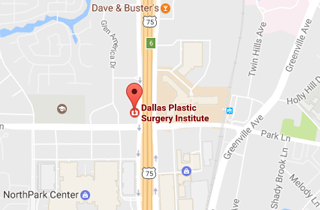
Our Location Dallas Plastic Surgery Institute
9101 N. Central Expwy.
Suite 600, Dallas, TX 75231
Tel: 214-827-2814

 Here’s how we incorporate it: