Motiva Implants in Dallas: What the Data Shows Since FDA Approval
When the FDA approved Motiva implants in September 2024, it was the first new breast implant approval in the United States in more than a decade. I was excited to offer them then, and two years later Motiva has become a cornerstone of my breast practice. Here is what makes these implants different, what the clinical data actually shows, and how I decide whether they are right for you.
What Sets Motiva Implants Apart?
Ergonomix gel
A soft, highly flexible gel that responds to gravity: a natural teardrop when you stand and a softer, rounder shape when you lie down.
SmoothSilk surface
An ultra-smooth nanotextured shell engineered to reduce the inflammation that drives capsular contracture.
A range of profiles
Ergonomix, Mini Ergonomix and Round styles let me match the implant to your frame rather than forcing one shape on every patient.
Built for small incisions
The flexible gel passes through a shorter incision, which is what makes techniques like Preservé possible.
Motiva Safety Data at Three Years
Motiva’s FDA approval was based on the U.S. IDE clinical study. In the primary augmentation group of 451 women, the three-year risk rates were low across the board:
Capsular contracture, the scar tissue tightening that hardens or distorts a breast, has historically been one of the most common reasons for revision surgery. A three-year rate of half a percent compares very favorably with published rates for other implants. As with every implant, longer-term follow-up continues, and no implant is a lifetime device.
ComparedMotiva vs. Traditional Silicone Implants
| Motiva Ergonomix | Traditional silicone | |
|---|---|---|
| Shape in motion | Adapts to body position | Holds a fixed shape |
| Surface | SmoothSilk nanotexture | Smooth or textured |
| Capsular contracture | 0.5% at 3 years in the U.S. study | Varies by brand and study |
| Incision size | Can be shorter | Standard |
| FDA approval | 2024 | 2006 onward |
Traditional silicone implants remain excellent devices, and I still use them when they are the better fit. Motiva simply gives us more ways to tailor the result.
PlacementWhere Motiva Implants Are Placed
Placement depends on how much of your own tissue covers the implant. Many of my patients are good candidates for placement in front of the muscle, which avoids the animation deformity that can happen when the chest muscle contracts over an implant. Patients with thin coverage may do better with additional muscle coverage. For the right candidates, Motiva also makes Preservé breast augmentation possible, a minimally invasive technique with a roughly 3 cm incision and no-touch implant delivery.
When your tissue calls for extra support, I may add an internal bra to help keep the implant where it was designed to sit.

Motiva Mini Ergonomix 220 cc, before and 4 weeks after. See all views in the gallery. Individual results vary.
Motiva Implant FAQ
Are Motiva implants FDA approved?
Yes. The FDA approved Motiva SmoothSilk Ergonomix and Round implants for primary and revision breast augmentation in September 2024. Motiva implants have been used internationally since 2010.
Do Motiva implants feel more natural?
Many patients find them exceptionally soft. The Ergonomix gel moves with the body, so the breast looks and feels natural standing, lying down and in motion.
Do Motiva implants cost more?
Motiva implants are a premium device and typically cost more than standard implants. We review your full investment at consultation.
Can Motiva implants be used in revision surgery?
Yes. They are approved for revision augmentation, and their low capsular contracture rate makes them an appealing choice when replacing older implants.
Will I need to replace them?
No breast implant is a lifetime device. Many last well over a decade, and we monitor them over time. The FDA recommends periodic imaging for silicone implants.
Related Pages
Considering Motiva Implants in Dallas?
Every plan starts with an unhurried, one-on-one consultation where we measure your tissue, review your goals and choose the right Motiva style and size together. Meet in person in Dallas or by virtual visit.
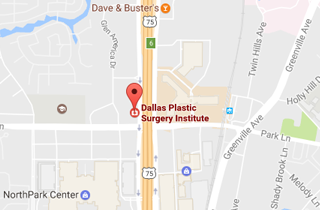
Schedule a ConsultationCall (214) 827-2814Clinical data from the Motiva U.S. IDE study, primary augmentation cohort, three-year Kaplan-Meier risk rates as reported by Establishment Labs at FDA approval. Dr. Sam Jejurikar is a board-certified plastic surgeon at Dallas Plastic Surgery Institute, 9101 N. Central Expressway, Suite 600, Dallas, TX 75231. This article is for education only and is not a substitute for a consultation. Individual results vary.