The Efficacy of Topical Treatments for Women Experiencing Hair Loss

The Efficacy of Topical Treatments for Women Experiencing Hair Loss

Hair loss in women can be distressing, with significant emotional and social impacts. Fortunately, advances in topical treatments like finasteride and minoxidil—especially in compounded forms—offer effective solutions. These compounded formulations allow for customization, including adjustments to the relative amounts of active ingredients and the addition of other beneficial agents like retinoic acid (RA) and fluocinolone (FLU). Here’s a closer look at how these treatments work and what makes them effective.


What Causes Hair Loss in Women?

Female hair loss often shows up as thinning, particularly at the crown and part line, rather than full baldness. The most common type, androgenetic alopecia (AGA), is influenced by genetics, hormones, and aging. This condition involves shrinking hair follicles, leading to thinner, shorter hair.


Why Topical Treatments?

Topical treatments minimize systemic side effects by delivering active ingredients directly to the scalp. This is especially beneficial for women who may be concerned about hormonal imbalances from oral medications. Compounded formulations allow for:

  • Personalization: Adjusting the concentrations of minoxidil and finasteride to suit individual needs.
  • Additives: Including retinoic acid (RA) and fluocinolone (FLU) to enhance absorption and efficacy.

Minoxidil: Stimulating Hair Growth

Minoxidil is FDA-approved for female hair loss and works by prolonging the growth phase of hair. It also improves scalp blood flow, encouraging thicker hair growth.

Key Points:

  • Flexible Strengths: Available in concentrations of 2%, 5%, or compounded doses tailored to your needs. Our compounded minoxidil can go up to 10% for enhanced efficacy in stubborn cases.
  • Ease of Use: Liquid formulations are easy to apply and integrate into your routine.
  • Temporary Shedding: Some users experience initial shedding as dormant hairs are replaced by new growth. This is normal and temporary.

Finasteride: Addressing Hormonal Factors

Finasteride inhibits the conversion of testosterone to DHT, the hormone responsible for shrinking hair follicles. While oral finasteride is typically used in men, topical versions are gaining popularity for women due to fewer systemic side effects.

Key Points:

  • Targeted Action: Delivered directly to the scalp, reducing risks of hormonal disruption.
  • Customizable Dosages: Compounded versions let you fine-tune the concentration.
  • Combination Therapy: Works synergistically with minoxidil for better results.

The Role of Retinoic Acid (RA) and Fluocinolone (FLU)

Adding RA and FLU to compounded treatments can enhance their effectiveness. RA promotes cell turnover, ensuring that active ingredients penetrate deeper into the scalp. FLU, a mild corticosteroid, helps reduce inflammation and itching, which can improve adherence to treatment.


Benefits of Compounded Formulations

Compounded topical treatments are designed to address individual needs and preferences:

  1. Adjustable Ratios: Modify the balance of minoxidil and finasteride for optimal results.
  2. Custom Additives: Include RA, FLU, or other supportive agents to boost efficacy.
  3. Minimized Irritation: Customization allows for formulations that suit sensitive skin.

Why Choose Topical Treatments Over a Hair Transplant?

While hair transplants can be effective, they are invasive, costly, and require significant recovery time. Topical treatments provide a much less drastic option, offering a non-surgical solution to stimulate hair regrowth and address hormonal factors. These treatments are ideal for women seeking noticeable improvements without the commitment of surgery.


Practical Tips for Use

  1. Be Consistent: Apply as directed to see results within 3-6 months.
  2. Start Low and Go Slow: Begin with lower concentrations if you’re prone to irritation, and adjust over time.
  3. Consult Me: I specialize in creating customized formulations tailored to your specific needs. Together, we can design a treatment plan to address your hair loss effectively.
  4. Be Patient: Hair regrowth takes time, but consistent use yields noticeable improvements.

Conclusion

Topical treatments for female hair loss, particularly compounded versions of minoxidil and finasteride, offer effective and flexible solutions. The ability to adjust active ingredient ratios and include enhancements like RA and FLU allows for a truly personalized approach. If you’re experiencing hair loss, I invite you to contact my office so we can arrange a consultation and explore how these treatments can work for you. Let’s find the best solution for restoring your confidence and achieving healthier hair.

The Upper Lip Lift: A Subtle Enhancement for a More Youthful Smile | Sam Jejurikar, MD

When we talk about facial rejuvenation, the focus often gravitates toward treatments that target the eyes, cheeks, or neck. However, one area that can have a profound impact on facial harmony is the upper lip. The upper lip lift is an increasingly popular surgical procedure that enhances the aesthetic of the lips and overall smile, offering subtle but impactful results. This procedure not only improves lip proportions but also pairs beautifully with non-surgical treatments like fillers for a comprehensive approach to lip enhancement.

In this blog post, I will explore the benefits of an upper lip lift, explain the details of the incision design—commonly referred to as the “bullhorn” pattern—and showcase a remarkable transformation with a six-month post-operative result. It’s worth noting that this procedure is commonly performed alongside facelift surgeries, enhancing the overall rejuvenation effect.

What Is an Upper Lip Lift?

An upper lip lift is a surgical procedure designed to shorten the distance between the upper lip and the base of the nose, known as the philtrum. Over time, aging can elongate the philtrum, which diminishes the appearance of the upper lip and creates a less youthful look. By addressing this elongation, the upper lip lift creates a more balanced and youthful appearance, enhancing the overall facial aesthetic.

The procedure works by removing a small strip of skin at the base of the nose in a precise pattern. This technique elevates the upper lip, creating a more defined cupid’s bow, improved tooth show when smiling, and a fuller, more youthful upper lip. It is especially effective for patients who want more upper lip definition but may not be achieving their desired results with fillers alone.

The Incision Design: The Bullhorn Pattern

The bullhorn incision, named for its resemblance to the shape of a bull’s horns, is meticulously designed to follow the natural contours at the base of the nose. This design ensures that the scar is well-hidden within the natural creases of the nostrils, making it virtually imperceptible over time. Precision is key, as the incision must be symmetrical and tailored to each patient’s anatomy to achieve the most natural-looking results.

During the procedure, I carefully remove a strip of skin, adjust the underlying tissue, and secure the incision. This strategic design minimizes tension on the wound edges, promoting optimal healing and ensuring a discreet scar. Most patients find that within a few months, the scar is difficult to detect, even upon close inspection.

Before and After: A 6-Month Transformation

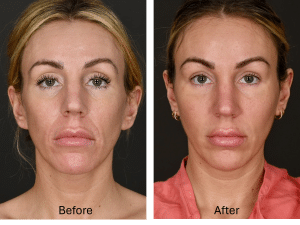
One of the most rewarding aspects of the upper lip lift is the long-lasting, natural-looking results it delivers. Below, you can see the dramatic transformation of a patient who underwent the procedure. The “before” photo shows an elongated philtrum with limited upper tooth show, while the “after” photo—taken six months post-operatively—highlights a beautifully proportioned upper lip, improved tooth visibility, and a more youthful appearance.

This patient’s results demonstrate the subtle yet significant enhancements an upper lip lift can achieve. The incision is virtually invisible, blending seamlessly into the natural contours of the nostrils. This case exemplifies how the procedure can rejuvenate the smile and overall facial aesthetic while maintaining a natural look.

A Perfect Pairing: Lip Lift and Fillers

While fillers are an excellent option for adding volume and definition to the lips, they have their limitations. For patients with an elongated philtrum or those seeking more tooth show when smiling, fillers alone may not provide the desired result. The upper lip lift addresses these concerns by altering the structure of the lip, creating a lifted appearance that fillers can’t achieve.

When used together, a lip lift and fillers can produce a truly transformative outcome. The lip lift enhances the foundational structure of the upper lip, while fillers can be strategically placed to add volume or refine the shape. This combination offers a natural and balanced aesthetic, avoiding the overly augmented look that can sometimes result from fillers alone.

Why the Upper Lip Lift Is Gaining Popularity

One of the reasons the upper lip lift is becoming more popular is the growing preference for natural-looking enhancements. Patients are increasingly seeking subtle, long-lasting solutions that enhance their features without making them look “overdone.”

Additionally, advancements in surgical techniques and incision design have made the upper lip lift a highly reliable and effective procedure. The bullhorn incision pattern not only delivers excellent results but also ensures that the scar is well-concealed, which is a major concern for many patients considering facial surgery.

Is an Upper Lip Lift Right for You?

An upper lip lift is an excellent option for individuals who:

  • Have an elongated philtrum that detracts from their overall facial harmony.
  • Want to enhance their smile by improving upper tooth show.
  • Are seeking a more permanent solution than fillers alone can provide.
  • Desire a natural-looking rejuvenation that complements their facial features.

During a consultation, I will evaluate your unique anatomy and aesthetic goals to determine whether an upper lip lift is the right procedure for you.

Conclusion

The upper lip lift is a powerful yet subtle procedure that can significantly enhance the aesthetics of the lips and smile. With a well-designed bullhorn incision and careful surgical technique, the procedure delivers natural, long-lasting results with minimal scarring. When paired with fillers, it can create a harmonious and youthful look that highlights the lips’ natural beauty.

If you’re curious about whether an upper lip lift is right for you, schedule a consultation to learn more about this transformative procedure. Together, we can create a treatment plan tailored to your goals, helping you achieve a smile that radiates confidence and vitality.

Creating a General Skincare Regimen for Healthy, Radiant Skin

When it comes to skincare, one size does not fit all. Unfortunately, many patients attempt to create their own skincare regimens based on recommendations from friends or enticing advertisements seen on television or the internet. While these sources may seem helpful, they often overlook individual skin needs and the science behind effective skincare.

Establishing a well-rounded skincare regimen starts with understanding the foundational steps that work for everyone, regardless of skin type or concerns. These include sun protection, which is essential for preventing damage and premature aging; retinols, which promote cell turnover and enhance skin texture; antioxidants, which neutralize environmental stressors; and moisturizers, which maintain hydration and support the skin barrier. By tailoring these steps to your unique skin type and being consistent, you can achieve and maintain healthy, radiant skin. Here’s how to build a regimen that works for you:

Morning Routine

  1. Cleanse: Start with a gentle cleanser to remove overnight oil and impurities. Cleansing ensures the skin’s surface is free from debris, which allows active ingredients in subsequent steps to penetrate more effectively.
  2. Antioxidants: Use a serum containing antioxidants like vitamin C or niacinamide. Antioxidants neutralize free radicals—unstable molecules generated by UV radiation and pollution—that can damage skin cells and accelerate aging. They also brighten the complexion and promote collagen production for firmer skin.
  3. Moisturize: Apply a lightweight moisturizer to hydrate and support the skin barrier. Hydration is key to maintaining skin elasticity and preventing dryness. Ingredients like hyaluronic acid attract moisture to the skin, while ceramides strengthen the protective barrier.
  4. Sun Protection: The most crucial step in any morning routine is sunscreen. Use a broad-spectrum sunscreen with at least SPF 30 to shield your skin from both UVA and UVB rays. UVA rays penetrate deeply and contribute to premature aging, while UVB rays cause sunburn. Daily sun protection reduces the risk of hyperpigmentation, wrinkles, and skin cancer.

Evening Routine

  1. Double Cleanse: If you wear makeup or sunscreen, start with an oil-based cleanser to dissolve these layers. Follow up with a water-based cleanser to remove dirt and sweat. Double cleansing ensures the skin is thoroughly clean without disrupting its natural oils.
  2. Targeted Treatments: This is the time to incorporate retinol or other targeted treatments. Retinols, derived from vitamin A, accelerate cell turnover, reducing fine lines, acne, and hyperpigmentation. They stimulate collagen production, improving skin texture and firmness. However, retinols can cause side effects like redness, flaking, and dryness, especially when first introduced. These are not signs of an allergic reaction but are common as your skin adjusts. To manage this, consider using retinols less frequently (e.g., every other night) rather than stopping altogether.Retinols are often compared to tretinoin (a prescription-strength retinoid). While tretinoin works faster and may produce more dramatic results, it can also be more irritating. Retinols, on the other hand, are gentler and more suitable for sensitive skin or beginners. Both options stimulate collagen production and improve skin tone but require proper adjustment periods to minimize discomfort.
  3. Moisturize: Evening moisturizers can be richer to replenish moisture lost during the day. Look for nourishing ingredients like peptides, which support collagen synthesis, or squalane, which mimics the skin’s natural oils and prevents water loss.
  4. Eye Cream (Optional): If you have concerns about dark circles, puffiness, or fine lines around your eyes, consider using an eye cream. Eye creams often contain caffeine (to reduce puffiness) or retinol (to minimize fine lines). Gently pat it on with your ring finger to avoid tugging at the delicate skin.

Weekly Additions

  1. Omnilux Mask or Similar Devices: Consider using an LED light therapy mask, such as the Omnilux mask, two to three times a week. These devices use red and near-infrared light to stimulate collagen production, reduce inflammation, and improve skin texture. They are non-invasive and can be an excellent addition to your routine for addressing fine lines and improving overall skin health.
  2. Exfoliation: Exfoliate once or twice a week to remove dead skin cells and promote a smoother complexion. Chemical exfoliants like alpha hydroxy acids (AHAs) work by dissolving the bonds between dead cells, revealing brighter, more even-toned skin. AHAs, such as glycolic acid or lactic acid, are particularly beneficial for dry or aging skin as they also boost hydration.
  3. Hydrating Masks or LED Therapy: Incorporate a hydrating mask or sheet mask weekly for an extra boost of moisture and relaxation. Masks with ingredients like aloe vera or glycerin can soothe and replenish the skin.

Additional Tips

  • Consistency is Key: Results take time, so stick to your routine and adjust as needed.
  • Know Your Skin Type: Understanding whether you have dry, oily, combination, or sensitive skin will guide your product choices.
  • Patch Test New Products: Before incorporating a new product, test it on a small area to ensure it doesn’t cause irritation.
  • Hydrate and Eat Well: Skincare isn’t just topical. Drink plenty of water and eat a balanced diet rich in fruits, vegetables, and omega-3 fatty acids to support skin health from within.

By following these steps and tailoring them to your individual skin needs, you can build a regimen that supports healthy, glowing skin at any age. Remember, consistency and protection from the sun are the foundations of great skin care. If you’re not sure to start, I always recommend starting with the amazing aestheticians at EpiCentre Skin Care and Laser Center – they’ve helped me identify the optimal products for my own skin and can do the same for you!

Understanding Internal Bras in Breast Augmentation: A New Era in Structural Support

This blog is a synopsis of S03 E53 of the podcast “Three Plastic Surgeons and a Microphone”, featuring Dr. Salvatore Pacella from San Diego, Dr. Sam Rhee from Bergen, New Jersey, and me (Dr. Sam Jejurikar from Dallas, Texas). The episode dives into the transformative concept of internal bras in breast augmentation, discussing their applications, benefits, and real-world outcomes. Let’s explore the highlights from this engaging conversation.


What is an Internal Bra?

The concept of an internal bra involves adding structural support to the breasts using specialized mesh materials during breast augmentation or revision procedures. These meshes act like an invisible bra, supporting the implants and native breast tissue to maintain the desired shape and position over time. Internal bras are particularly effective for combating the effects of gravity and addressing specific concerns such as bottoming out or asymmetry.

The technique typically involves placing a mesh material along the lower pole of the breast, anchoring it to the chest wall, and sometimes to the pectoralis muscle or the existing capsule. The result is a “push-up bra” effect that enhances cleavage, keeps the implant in a higher position, and minimizes lateral movement.


Ideal Candidates for Internal Bras

While internal bras are not necessary for every patient, they are highly beneficial in certain scenarios:

  • Revision Surgeries: Patients with previous implants experiencing bottoming out, asymmetry, or other complications.
  • Poor Tissue Quality: Individuals with stretched or lax breast tissue, often due to massive weight loss, aging, or multiple pregnancies.
  • Desire for Enhanced Support: Patients who want implants to sit higher and closer together for improved cleavage and upper pole fullness.
  • Large Implants: Women opting for larger implants benefit from the added structural support to counteract the additional weight.

For first-time breast augmentation patients with good tissue quality and smaller implants, an internal bra may not be necessary.


Types of Internal Bras

The evolution of internal bras has introduced a variety of materials, each with unique benefits and limitations. Here are the most common types:

1. Biologic Meshes (ADMs)

Biologic meshes, such as Acellular Dermal Matrices (ADMs), are derived from human or animal tissue. They’re highly biocompatible and integrate well with the body’s natural tissue. ADMs are commonly used in reconstructive surgery but can be costly and may not be the first choice for cosmetic procedures unless combined with a lift or addressing capsular contracture.

2. Permanent Meshes

Permanent synthetic meshes, often made of materials like silk, were once popular but are now used sparingly due to potential risks, including infection and prolonged tissue reactions. Patients may experience redness or discoloration at the breast’s surface.

3. Semi-Permanent Meshes

Semi-permanent meshes, such as Poly-4-Hydroxybutyrate (P4HB, trade name GalaFLEX) and Polydioxanone (PDO, trade name Durasorb), are the most commonly used in cosmetic breast surgery today. These meshes provide temporary support while the body heals, promoting stronger capsule formation and improving long-term results.

  • P4HB (GalaFLEX): This mesh dissolves over 6-12 months and leaves behind a capsule that is 2-5 times stronger than natural tissue. It’s ideal for patients requiring extended support during healing.
  • PDO (Durasorb): This mesh dissolves faster, typically within 3 months, making it suitable for patients with thinner tissues or those who want a shorter recovery timeline.

Advantages of Internal Bras

Internal bras provide several benefits that make them a valuable addition to breast augmentation and revision procedures:

  1. Improved Longevity: Mesh materials reinforce the implant pocket, reducing the likelihood of complications like bottoming out or lateral displacement.
  2. Enhanced Aesthetics: Patients achieve better cleavage, upper pole fullness, and implant positioning.
  3. Increased Confidence: Women can go braless without worrying about sagging or loss of shape.
  4. Versatility: Internal bras can be used in primary augmentations, revisions, or even with mastopexies (breast lifts).

Surgical Techniques for Internal Bras

The placement of an internal bra varies depending on the patient’s anatomy, goals, and the surgeon’s preferences. Here’s an overview of the technique:

  1. Preparation: The mesh is trimmed and shaped to fit the patient’s anatomy. For revisions, any scar tissue or capsules are addressed first.
  2. Anchor Points: The mesh is anchored to the chest wall, pectoralis muscle, or existing capsule, creating a hammock-like support structure.
  3. Implant Placement: The implant is then positioned within the pocket, and the mesh provides additional reinforcement to maintain the desired shape and position.
  4. Customization: Mesh placement can be adjusted to achieve specific goals, such as pushing implants closer together or elevating their position.

Addressing Challenges with Internal Bras

While internal bras offer many benefits, there are challenges:

  1. Cost: The addition of mesh increases the overall expense of surgery.
  2. Temporary Awareness: Patients may feel the mesh during the healing process, particularly with longer-lasting materials.
  3. Waterfall Deformity: This occurs when breast tissue sags over the implant, requiring additional interventions such as skin tightening or minor revisions.

Learn More from the Experts

For a deeper dive into internal bras in breast augmentation, check out S03 E53 of the podcast “Three Plastic Surgeons and a Microphone”, featuring Dr. Salvatore Pacella, Dr. Sam Rhee, and Dr. Sam Jejurikar. The episode explores the nuances of this revolutionary technique, including ideal candidates, mesh types, and real-world outcomes. [Insert link here]


Conclusion

Internal bras have redefined the possibilities in breast augmentation, providing structural support that enhances both aesthetics and longevity. Whether used for primary augmentation, revisions, or complex cases, they empower patients to achieve their desired look with greater confidence.

If you’re considering breast augmentation or revision and are curious about the benefits of an internal bra, schedule a consultation with a board-certified plastic surgeon to discuss your options.

Call (214) 827-2814 to book your consultation today. Transform your vision into reality with advanced techniques tailored to you.

Transforming Arms with Brachioplasty: A Modern Approach in Dallas

Excess skin and fat in the upper arms can be a source of frustration for many individuals, especially those who have experienced significant weight loss or age-related skin changes. For patients seeking a more sculpted and toned appearance, an arm lift—or brachioplasty—can be life-changing. This surgical procedure not only removes excess skin but also enhances arm contours, boosting confidence and self-esteem.

In this blog, we’ll dive into my approach to arm lift surgery for patients in Dallas, emphasizing innovative techniques that improve outcomes, minimize complications, and enhance overall patient satisfaction.


My Surgical Philosophy

One of the most critical considerations for any arm lift is the placement of the incision. Traditional techniques position the incision in the bicipital groove, the natural crease between the biceps and triceps. While this location seems logical, I’ve found that scars in this area are prone to significant widening over time due to the tension placed on the incision.

Instead, I opt to position the incision along the medial aspect of the arm but slightly posterior to the traditional groove. This shift allows me to reduce tension on the wound, which helps minimize the risk of scar widening. By keeping the incision on the inside of the arm but posteriorly displaced, the scar is less noticeable in both relaxed and active positions, providing a more aesthetically pleasing result.


Enhancing Results with Circumferential Liposuction

An arm lift alone addresses excess skin, but combining it with circumferential arm liposuction significantly enhances the overall contour. Liposuction removes stubborn fat deposits, reducing the arm’s circumference and improving the final shape. The key to successful liposuction in this context is balance—removing enough fat to sculpt the arm while maintaining smooth transitions for a natural appearance.

I perform circumferential liposuction as the first step of the procedure, strategically targeting the entire arm to create a uniform reduction. This comprehensive approach ensures that the final result is harmonious and proportional, avoiding the “operated” look.


Preserving Lymphatic and Vascular Integrity

Protecting the lymphatic system and small blood vessels during surgery is essential to minimize complications such as prolonged swelling, lymphedema, or delayed healing. To achieve this, I use sharp dissection and an avulsion technique. This method carefully separates the tissue while preserving critical structures, reducing trauma and promoting faster recovery.

By employing these techniques, I can often perform the procedure without the need for surgical drains. A drainless approach not only improves patient comfort during recovery but also reduces the risk of infection and other complications associated with drain management.


Postoperative Care: Setting the Foundation for Success

A successful brachioplasty doesn’t end in the operating room. Postoperative care is just as important in achieving optimal results. Here are the essential elements of my post-surgery care plan:

Compression Garments

Compression garments play a vital role in controlling swelling, supporting the tissues, and promoting a smooth contour. I advise my patients to wear compression garments 24/7 for the first six weeks after surgery. This consistency helps maintain the desired shape and reduces fluid buildup, ensuring a more comfortable and effective recovery.

Lymphatic Massage

Lymphatic massage is a gentle, specialized technique that helps reduce swelling and improve circulation during recovery. I recommend incorporating lymphatic massage sessions into the postoperative care routine, particularly in the first few weeks after surgery. This can expedite healing and enhance overall comfort.

Exercise Restrictions

While light activities like walking are encouraged, I recommend avoiding any strenuous exercise, heavy lifting, or repetitive arm movements for at least six weeks. This precaution allows the tissues to heal without added stress, reducing the risk of complications and ensuring the best possible scar formation.

Scar Care

Scar optimization is a long-term process that requires dedication. I work closely with my patients to develop a customized scar care regimen, which may include:

  • Silicone Strips and Creams: These are applied daily to keep the scar hydrated and reduce redness and thickness.
  • Microneedling: For patients with thicker scars or uneven healing, microneedling can help remodel the tissue and improve the scar’s appearance.
  • Laser Treatments: Laser therapy can be used to reduce discoloration and flatten raised scars. These treatments are typically started a few months after surgery, depending on the patient’s healing progress.

Scar care is typically continued for 6-12 months after surgery to ensure the best possible result.


Realistic Expectations

While brachioplasty provides remarkable results, it’s important for patients to have realistic expectations. Scars are an inevitable part of the procedure, but with proper placement and diligent aftercare, they fade significantly over time and become less noticeable. Patients must also understand that while the surgery dramatically improves the appearance of the arms, natural aging and weight fluctuations can still affect long-term results.


Is an Arm Lift Right for You?

An arm lift is an excellent option for patients who are bothered by sagging skin and excess fat in the upper arms that do not respond to diet or exercise. Ideal candidates include:

  • Individuals with significant weight loss who have loose, hanging skin.
  • Patients who are in good overall health and can safely undergo surgery.
  • Those with realistic expectations about the results and the presence of a scar.

If you’re unsure whether brachioplasty is the right choice, a personalized consultation can help determine the best approach for your unique needs and goals.


A Comprehensive Approach to Beautiful Results

Every patient deserves a result that not only meets their aesthetic goals but also promotes long-term satisfaction and confidence. By combining circumferential liposuction with an innovative approach to incision placement, meticulous surgical technique, and a robust postoperative care plan, I aim to deliver the best possible outcomes for my patients.

If you’re considering an arm lift, I encourage you to schedule a consultation to learn more about how this transformative procedure can help you achieve the toned, youthful arms you desire. Together, we’ll create a plan tailored to your body and your vision.

Call (214) 827-2814 to book your consultation today. Your journey to confidence starts here.


FAQs About Arm Lift Surgery

Will I have visible scars?

Yes, scars are a natural part of the healing process, but I take great care to place them in less conspicuous areas and to minimize their appearance. With proper scar care, most patients find their scars fade significantly over time.

How long is the recovery period?

Most patients can return to light activities within a week but should avoid strenuous exercise and heavy lifting for six weeks. Full results are typically visible within 3-6 months as swelling subsides and scars mature.

Can I combine an arm lift with other procedures?

Absolutely. Many patients choose to combine an arm lift with other body contouring procedures, such as a tummy tuck or thigh lift, to address multiple areas of concern at once.

What are the risks of an arm lift?

As with any surgery, there are risks, including infection, scarring, or asymmetry. However, with a skilled surgeon and proper care, these risks are minimized.


Ready to take the first step? Contact us today to begin your transformation journey. Your best arms are within reach!

Before and After Transformation

To illustrate the impact of brachioplasty, here are photos of a patient who is almost two years post-surgery. The results highlight slimmer, more contoured arms, with scars that have faded beautifully over time. These images demonstrate the lasting benefits of a comprehensive arm lift procedure.


Do Breast Implant Patients Need to Replace Their Implants Every 10 Years? Dr Sam Jejurikar Explains.

On a near weekly basis, I will encounter a patient who either asks me or already believes that they need to replace their breast implants automatically every 10 years, regardless of symptoms. This concept has been widely circulated, often leading to confusion and unnecessary concern. In this blog, we aim to provide an evidence-based answer to this important question. The short answer, though is no – you do not need your implants replaced every 10 years. Read on if you want to learn more about why this is.

The Origins of the 10-Year Rule

The “10-year rule” likely stems from older breast implant studies and manufacturer recommendations that suggested a finite lifespan for implants. Historically, silicone implant technology was less advanced, and complications such as rupture or capsular contracture were more common, leading to the perception that implants needed routine replacement. However, with modern advancements in implant materials and surgical techniques, this belief is no longer universally applicable.

What the Evidence Says

  1. Implant Longevity: Current-generation silicone and saline breast implants are designed to last much longer than earlier models. Studies indicate that the rupture rate of modern implants is low, with many lasting well beyond 10 years. In fact, some implants can remain intact and problem-free for 20 years or more.
  2. FDA Guidelines: The U.S. Food and Drug Administration (FDA) does not mandate automatic replacement of breast implants every 10 years. However, they do recommend regular follow-up care to monitor implant integrity. For silicone implants, the FDA advises MRI screenings starting at five to six years post-surgery and every two to three years thereafter to detect silent ruptures.
  3. Complications as a Factor: Implant replacement or removal is typically only necessary if complications arise, such as:
    • Rupture: While silent ruptures are not medical emergencies, they may warrant implant replacement.
    • Capsular Contracture: Severe hardening of the scar tissue around the implant can cause discomfort or aesthetic concerns, requiring revision surgery.
    • Implant Malposition or Rippling: Shifts in implant position or visible rippling may lead to dissatisfaction with appearance, prompting revision.
    • Changes in Aesthetic Goals: Over time, some patients may wish to update their implants to a different size, shape, or material.

Screening for Breast Cancer and Implant Integrity

Routine replacement is unnecessary for patients without complications or dissatisfaction. Instead, patients should focus on regular screenings to monitor both breast health and implant condition:

  • Breast Cancer Screening: Regular mammograms are essential for all women, including those with breast implants, to detect early signs of breast cancer. Modern mammography techniques are highly effective, and specialized views can accommodate implants to ensure thorough examination.
  • Ultrasound and MRI: Ultrasound is a useful tool for assessing the soft tissue around implants, particularly in detecting ruptures or abnormalities. MRI is considered the gold standard for evaluating silent ruptures of silicone implants and provides detailed imaging of both breast tissue and implants.

Patients should discuss their individual risk factors with their healthcare provider to determine the appropriate screening schedule and imaging methods.

Modern Implant Durability

Manufacturers of today’s implants often provide warranties that cover certain complications, with some even offering lifetime guarantees against rupture. These warranties reflect the confidence in the long-term durability of modern implants.

Conclusion: No “One-Size-Fits-All” Answer

Breast implants do not come with an expiration date, and the 10-year rule is not a hard and fast guideline. Instead, implant replacement is determined by individual circumstances, such as complications, personal preferences, or evolving aesthetic goals. For the majority of patients, implants can safely remain in place well beyond 10 years if no issues arise.

The best approach is to maintain open communication with your plastic surgeon and schedule regular check-ups to ensure optimal outcomes. If you’re concerned about the longevity of your implants or considering revision surgery, consult with us or with another board-certified plastic surgeon to discuss your options based on your unique situation.

Modern breast implant technology continues to improve, empowering patients to enjoy long-lasting results with fewer complications. The key is personalized care and informed decision-making.

What is Capsular Contracture? Understanding a Common Concern After Breast Augmentation

Capsular contracture is a condition that can occur after breast augmentation or reconstruction with implants. It is one of the most misunderstood complications among patients, yet it’s also one of the most talked about. Simply put, capsular contracture refers to the hardening of the tissue surrounding a breast implant, known as the capsule. This hardening can distort the appearance of the breast and, in some cases, cause discomfort or pain. To fully understand what capsular contracture is, why it happens, and how it’s treated, it’s essential to delve into the factors that contribute to its occurrence and explore the range of treatment options available.

Why Does Capsular Contracture Occur?

When a breast implant is placed, the body naturally forms a capsule of scar tissue around it. This is a normal part of the healing process. In most cases, the capsule remains soft and pliable. However, in some patients, the capsule tightens and thickens, causing the implant to feel firm or even painful. This process is known as capsular contracture.

The exact causes of capsular contracture are not entirely understood, but several factors are believed to contribute:

  1. Infection or Contamination: Even low-grade bacterial contamination can trigger an exaggerated immune response, leading to capsular contracture.
  2. Hematoma or Seroma: The accumulation of blood or fluid around the implant can increase the risk.
  3. Trauma: Physical trauma to the implant area can contribute to the development of capsular contracture.
  4. Implant Placement and Incision Type: The pocket in which the implant is placed and the type of incision used during surgery may influence the risk.
  5. Implant Characteristics: Factors such as the texture, size, and type of implant (saline vs. silicone) can play a role.
  6. Patient-Specific Factors: Individual biology, smoking, or autoimmune conditions can increase susceptibility.

Symptoms and Diagnosis

Patients with capsular contracture may notice symptoms such as:

  • Increased firmness or hardness in the breast.
  • A distorted or misshapen breast appearance.
  • Discomfort or pain, particularly in advanced cases.

Capsular contracture is classified using the Baker grading system:

  • Grade I: Breast is soft and appears normal.
  • Grade II: Breast is slightly firm but appears normal.
  • Grade III: Breast is firm and has an abnormal appearance.
  • Grade IV: Breast is hard, painful, and visibly distorted.

Treatment Options for Capsular Contracture

Nonoperative Treatments

Nonoperative treatments are generally more effective for mild cases of capsular contracture (Grade II or early Grade III):

  1. Medications: Anti-inflammatory medications and leukotriene inhibitors, such as Singulair, may help soften the capsule in some cases.
  2. Massage and Compression: These techniques are occasionally recommended but should be done cautiously and under professional guidance.
  3. Hyperbaric Oxygen Therapy: At our office, Dr. Sam Jejurikar often incorporates advanced therapies like hyperbaric oxygen to promote healing and reduce inflammation after surgery.

Surgical Treatments

In more severe cases, surgery is often the best solution:

  1. Capsulectomy: The removal of the capsule along with the implant.
  2. Capsulotomy: Cutting into the capsule to release tension and allow the implant to expand.
  3. Implant Replacement: In many cases, the implant is replaced with a new one to reduce recurrence.
  4. Pocket Change: Moving the implant to a different plane (e.g., from subglandular to submuscular) can significantly lower recurrence risk.

Incision Types and Their Impact on Capsular Contracture

The type of incision used during breast augmentation plays a role in capsular contracture risk:

  1. Inframammary Incision:
    • Located in the natural crease under the breast.
    • Offers excellent visibility and precision during implant placement.
    • Lowest risk of bacterial contamination, making it the preferred choice to reduce capsular contracture risk.
  2. Periareolar Incision:
    • Made along the lower border of the areola.
    • Can introduce bacteria from breast ducts, slightly increasing the risk of capsular contracture compared to inframammary incisions. Studies suggest a moderate increase in capsular contracture rates with this approach.
  3. Transaxillary Incision:
    • Placed in the armpit.
    • Avoids scars on the breast but provides less direct access for precise implant placement, leading to a higher potential for implant malposition. Capsular contracture rates are similar to those of the periareolar approach, with some studies indicating an increased risk due to limited control over implant placement.

At Dr. Jejurikar’s office, we carefully evaluate each patient’s anatomy and goals to determine the most suitable incision type, prioritizing both aesthetic outcomes and minimizing complications.

Pocket Choices: Subglandular, Submuscular, and Subfascial

Where the implant is placed significantly impacts capsular contracture rates:

  1. Subglandular Pocket:
    • The implant is placed above the chest muscle but below the breast gland.
    • Reported capsular contracture rates are higher, with studies indicating rates of up to 10-15%.
    • This option may be preferred in select patients with adequate breast tissue to cover the implant.
  2. Submuscular Pocket:
    • The implant is placed beneath the chest muscle.
    • Lower capsular contracture rates, typically around 2-5%, due to reduced exposure to breast tissue bacteria and increased implant coverage.
  3. Subfascial Pocket:
    • The implant is placed below the fascia of the chest muscle but above the muscle itself.
    • Emerging as a promising option, subfascial placement combines the benefits of reduced capsular contracture risk with a more natural aesthetic. Recent studies suggest capsular contracture rates of 5-7%, offering a balanced approach for certain patients.
    • Subfascial placement paired with Motiva implants, known for their SilkSurface™ technology, shows encouraging results with capsular contracture rates as low as 1-2% in preliminary studies. This combination is an exciting option for patients seeking both safety and natural-looking outcomes.

At our practice, submuscular placement has long been considered the gold standard, but subfascial placement is increasingly being utilized for its advantages, especially when combined with Motiva implants.

Capsular Contracture Rates Among Implant Brands

The choice of implant brand also affects capsular contracture rates:

  1. Mentor:
    • Known for consistent quality and smooth and textured options.
    • Capsular contracture rates for smooth implants are around 2-3%, while textured implants may further lower rates but carry other risks.
  2. Allergan:
    • Natrelle implants are versatile with varied profiles and sizes.
    • Smooth implants report capsular contracture rates similar to Mentor, around 2-3%.
    • Textured implants have been linked to lower capsular contracture rates but are less commonly used due to concerns about BIA-ALCL.
  3. Sientra:
    • Offers high-strength cohesive gel implants with low reported capsular contracture rates, generally under 2% for smooth implants.
    • Exclusive distribution to board-certified plastic surgeons ensures stringent quality control.
  4. Motiva:
    • Features advanced smooth SilkSurface™ implants with capsular contracture rates as low as 1-2% in preliminary studies.
    • Especially appealing to patients seeking a natural look and feel.

Dr. Jejurikar works closely with each patient to choose the most appropriate implant brand, ensuring optimal outcomes with minimal risk of complications.

The Keller Funnel: Reducing Capsular Contracture Risk

The Keller Funnel is an advanced surgical tool designed to minimize bacterial contamination during implant placement. This sterile, cone-shaped device allows for “no-touch” delivery of the implant into the breast pocket, reducing the risk of capsular contracture and improving patient outcomes. Dr. Jejurikar routinely uses the Keller Funnel for its proven benefits in enhancing safety and precision during surgery.

Why Choose Dr. Sam Jejurikar?

Dr. Sam Jejurikar is a board-certified plastic surgeon recognized as one of Dallas’ best. With extensive expertise in breast surgery, he combines technical skill with a patient-centered approach to deliver exceptional results. At our practice, we prioritize patient education, ensuring you understand every aspect of your procedure, including potential risks like capsular contracture. From consultation to recovery, you’ll receive personalized care designed to help you achieve your aesthetic goals safely and effectively.

Conclusion

Capsular contracture is a challenging complication, but with proper surgical techniques, advanced tools like the Keller Funnel, and a personalized approach, the risk can be minimized, and treatment options are highly effective. If you have concerns about capsular contracture or are considering breast augmentation, contact our office today. Let us guide you through your journey with expertise and compassion.

The Benefits of Sermorelin for Plastic Surgery Patients: A Guide by Dr. Sam Jejurikar

As patients seek to enhance their aesthetics and age gracefully, many look beyond surgery to complementary treatments that support healing and promote overall vitality. Sermorelin, a growth hormone-releasing hormone (GHRH) analog, has emerged as a safe and effective option to optimize recovery and improve outcomes for plastic surgery patients.

Here’s a detailed look at sermorelin, its benefits, typical dosage (in milligrams), potential side effects, and its status with the FDA.


What Is Sermorelin?

Sermorelin is a synthetic analog of growth hormone-releasing hormone (GHRH). It stimulates the pituitary gland to naturally produce and release growth hormone, enhancing the body’s ability to regenerate and repair. Unlike synthetic HGH (human growth hormone), sermorelin works within the body’s natural regulatory systems, reducing risks associated with overstimulation.


FDA Status and Safety Considerations

Sermorelin was originally FDA-approved in the late 1990s for treating growth hormone deficiency in children. While it is no longer marketed for this purpose due to the development of alternative therapies, sermorelin is still widely prescribed “off-label” for adults under the supervision of qualified healthcare providers.

It’s important to note that while sermorelin itself is not FDA-approved for anti-aging or aesthetic purposes, its use in these contexts is supported by clinical experience and patient outcomes. Patients considering sermorelin should consult with a qualified healthcare provider to ensure it is prescribed safely and appropriately.


Benefits of Sermorelin for Plastic Surgery Patients

1. Accelerated Healing

Sermorelin’s ability to stimulate growth hormone production helps with tissue repair, reducing recovery time after surgery. This is particularly beneficial for procedures like tummy tucks, facelifts, or breast augmentation, where optimal healing is crucial.

2. Skin Rejuvenation

Growth hormone stimulates collagen production, which improves skin elasticity and reduces wrinkles. This complements surgical procedures by promoting longer-lasting, youthful results.

3. Fat Reduction and Muscle Preservation

For patients undergoing body contouring, sermorelin helps metabolize fat while preserving lean muscle, supporting their results.

4. Improved Energy and Sleep

Many patients report better sleep quality and increased energy levels, which are essential for recovery and overall well-being.

5. Strengthened Hair and Nails

Sermorelin may promote stronger hair and nail growth, adding to the aesthetic benefits for patients.

6. Complementary Benefits for GLP-1 Agonist Users

Patients taking GLP-1 agonists, such as Mounjaro or Ozempic, often experience significant weight loss but may also lose lean muscle mass as part of the process. We frequently use sermorelin with these patients to help preserve and promote lean muscle mass, ensuring their weight loss journey supports a healthy and toned physique. By stimulating the body’s natural growth hormone production, sermorelin acts as a synergistic therapy that aligns with the goals of both improved health and enhanced aesthetics.


Typical Dosage

Sermorelin is administered via subcutaneous injection, usually once daily in the evening to align with the body’s natural growth hormone cycle.

The typical adult dosage ranges from 0.2 mg to 0.3 mg per day (200–300 mcg). Adjustments to the dose are made based on the patient’s needs, goals, and response to treatment. A healthcare provider will monitor progress and adjust the dosage as necessary to maximize benefits while minimizing side effects.


Potential Side Effects

Sermorelin is generally well-tolerated, but like any therapy, it can have side effects. These include:

  • Injection site reactions: redness, swelling, or discomfort.
  • Headaches or mild dizziness.
  • Flushing or feelings of warmth.
  • Rare cases of nausea or sleep disturbances.

Severe reactions are rare, but patients should inform their healthcare provider if they experience unusual symptoms or discomfort.


Is Sermorelin Right for You?

For plastic surgery patients looking to enhance recovery, improve aesthetic results, and slow the aging process, sermorelin can be a valuable tool. Its ability to stimulate natural growth hormone production makes it a safer alternative to synthetic HGH, with a reduced risk of adverse effects.

However, it’s essential to consult with a qualified medical provider to determine if sermorelin aligns with your goals and overall health. At my practice, we are dedicated to ensuring every treatment plan is tailored to the unique needs of our patients.


If you’re interested in learning how sermorelin could complement your plastic surgery journey, don’t hesitate to reach out to my team at Dallas Plastic Surgery Institute. Together, we can craft a holistic plan to help you look and feel your best.

24-Hour Recovery After Breast Augmentation with Dallas Plastic Surgeon Dr. Sam Jejurikar

When it comes to breast augmentation, patients often desire a beautiful, natural-looking result with minimal downtime. Over the years, surgical innovations have made this possible, and one of the most exciting developments is the concept of a 24-hour recovery. At my practice, I’ve combined advanced techniques like Motiva implants in the subfascial plane, Allergan implants in the submuscular placement, and the Enhanced Recovery After Surgery (ERAS) protocol to help patients return to their daily lives in as little as one day after surgery.

Let’s dive into how these advancementsallow me to achieve outstanding results while ensuring patient safety and comfort.


What Is the 24-Hour Recovery Approach?

The 24-hour recovery approach is a patient-centered philosophy focused on minimizing downtime, pain, and inflammation. Through meticulous preoperative planning, state-of-the-art surgical techniques, and innovative implants like Motiva and Allergan, patients can experience a dramatically shortened recovery period compared to traditional methods.

This method is built on the following principles:

  1. Reducing tissue trauma during surgery.
  2. Employing multimodal pain management to avoid narcotics and their side effects.
  3. Using implants designed to integrate seamlessly with the body for a smooth recovery.
  4. Encouraging early mobilization post-surgery to enhance healing.

The result? Many patients can return to light activities the next day, shower within 24 hours, and resume non-strenuous work in just a few days.


The Enhanced Recovery After Surgery (ERAS) Protocol

The ERAS protocol is a game-changer in breast augmentation. Traditionally used in general surgery, ERAS has now been adapted to aesthetic procedures, offering a science-backed approach to optimizing recovery. Here’s how it works:

  • Preoperative Planning: Patients receive detailed instructions to prepare for surgery, reducing anxiety and ensuring a smoother experience.
  • Strategic Medication Use: Anti-inflammatory drugs, acetaminophen, and muscle relaxants are prescribed to manage pain effectively without relying on narcotics.
  • Early Mobilization: Patients are encouraged to move their arms and engage in light activity immediately after surgery, reducing stiffness and promoting circulation.

By following ERAS principles, patients avoid the groggy, nauseated feeling often associated with traditional recovery while significantly reducing their risk of complications.


Motiva Implants: The New Standard in Breast Augmentation

When it comes to achieving natural results with a low complication rate, Motiva implants are unmatched. These state-of-the-art implants are a cornerstone of the 24-hour recovery approach, thanks to their innovative features:

1. SilkSurface™ Technology

Motiva implants are designed with a nano-textured surface known as SilkSurface™, which reduces friction between the implant and surrounding tissue. This advanced technology helps to:

  • Promote seamless integration with the body.
  • Minimize inflammatory responses.
  • Lower the risk of complications like capsular contracture (a condition where scar tissue forms excessively around the implant).

2. Reduced Capsular Contracture Rates

Capsular contracture is one of the most common concerns with breast implants. Motiva’s unique surface resists bacterial adhesion, a key factor in preventing this complication. Clinical studies have shown that Motiva implants have exceptionally low rates of capsular contracture, offering peace of mind to patients.

3. Natural Look and Feel

Motiva’s ultra-soft silicone gel provides a natural feel and appearance, even in subfascial placement. The implants adapt beautifully to the body’s contours, ensuring that the results look harmonious and proportionate.


Allergan Implants: A Trusted Option

Allergan implants are another excellent choice for patients seeking high-quality, natural-looking results. These implants have a long history of safety and innovation, offering:

  • Variety in Shapes and Profiles: Allergan’s wide range of implant styles allows me to customize the procedure to each patient’s body type and aesthetic goals.
  • Proven Track Record: Known for their durability and consistent results, Allergan implants have been trusted by surgeons worldwide for decades.
  • Smooth Shell Options: Allergan’s surfaces reduce the risk of capsular contracture while allowing for stable positioning in the submuscular plane.

Subfascial Implant Placement: A Modern Approach

One of the most significant advancements in breast augmentation is the increased adoption of subfascial implant placement. This technique involves positioning the implant beneath the fascia, a thin but strong connective tissue layer over the chest muscle. By using this approach, I’m able to combine the benefits of traditional subglandular and submuscular placements while minimizing their drawbacks.

Advantages of Subfascial Placement

  • Reduced Pain: Unlike submuscular placement, subfascial augmentation avoids disrupting the chest muscle, resulting in less pain and a faster recovery.
  • Natural Appearance: The fascia provides a supportive layer that mimics the natural slope of the breast, creating a soft and aesthetically pleasing result.
  • Stability: Implants placed subfascially are less likely to shift or move during muscle contraction, offering long-term stability.
  • Quicker Recovery: The reduced tissue disruption translates to a faster return to normal activities.

Motiva and Subfascial Placement: A Perfect Match

Motiva implants’ advanced design complements the subfascial technique perfectly. Their soft, adaptive gel and low capsular contracture rates allow me to achieve a natural look without the discomfort or prolonged recovery often associated with traditional techniques. This synergy makes subfascial placement a reality for more patients, even those with thinner tissue coverage.


Submuscular Implant Placement: A Classic Approach

For some patients, submuscular placement remains the best option. This technique involves placing the implant beneath the chest muscle, providing additional coverage and support.

Advantages of Submuscular Placement

  • Enhanced Soft Tissue Coverage: Particularly beneficial for patients with minimal breast tissue.
  • Lower Capsular Contracture Rates: The muscle layer provides an additional barrier against scar tissue formation.
  • Natural Upper Pole Slope: Submuscular placement creates a gentle slope in the upper portion of the breast, ideal for certain body types.

Both Motiva and Allergan implants work well in submuscular placement, allowing for flexibility in tailoring the procedure to each patient’s unique needs.


Precise Surgical Techniques for Optimal Recovery

The success of a 24-hour recovery depends heavily on surgical precision. My approach prioritizes minimal trauma to the tissues, which is essential for reducing inflammation, pain, and recovery time. Here’s what sets my method apart:

1. Limited Incisions

I use small, strategically placed incisions that allow for optimal implant placement while minimizing scarring. These incisions heal quickly and are often barely noticeable after recovery.

2. Meticulous Tissue Handling

During surgery, I take care to handle tissues gently and precisely. This reduces trauma to the surrounding areas, helping to prevent bruising and swelling.

3. Advanced Tools and Techniques

By using the latest surgical tools, including electrocautery for precise dissection, I’m able to create the perfect pocket for the implant with minimal disruption to the tissues.


Medications for Pain Management Without Narcotics

A key aspect of the 24-hour recovery is effective pain management without relying on narcotics. By using a combination of medications, I can control inflammation and discomfort while minimizing side effects like nausea and drowsiness. This multimodal approach includes:

  • Long-Acting Local Anesthesia: Administered during surgery to provide extended pain relief.
  • NSAIDs (e.g., ibuprofen): To reduce swelling and inflammation.
  • Acetaminophen: For mild pain relief.
  • Muscle Relaxants: To ease tension in the chest area.
  • Anti-Nausea Medications: To prevent discomfort from anesthesia.

This strategic use of medications allows patients to wake up from surgery feeling alert and ready to begin their recovery.


What to Expect During the 24-Hour Recovery

Patients often find the 24-hour recovery process surprisingly easy. Here’s what you can expect:

  1. Day of Surgery:
    • You’ll go home a few hours after the procedure.
    • Pain is minimal, thanks to long-acting local anesthesia.
    • You’ll be encouraged to move your arms and engage in light activity to prevent stiffness.
  2. First 24 Hours:
    • Many patients can shower the next day.
    • You’ll feel comfortable enough to resume light activities, such as walking or simple household tasks.
  3. Next Few Days:
    • Most patients return to work within 2-3 days (for non-strenuous jobs).
    • Swelling and tightness continue to subside.

The Results: Beautiful, Natural, and Long-Lasting

By combining Motiva and Allergan implants, subfascial or submuscular placement, and advanced recovery protocols, my patients achieve stunning, natural-looking results with minimal discomfort. Whether you’re seeking a subtle enhancement or a more dramatic transformation, this approach ensures that your results align with your aesthetic goals while prioritizing safety and comfort.


Why Choose Dr. Sam Jejurikar?

As a board-certified plastic surgeon, I’m committed to staying at the forefront of innovation to deliver the best possible care. My extensive experience with Motiva and Allergan implants, along with the 24-hour recovery protocol, allows me to offer patients unparalleled results with a recovery process that fits their busy lives.

If you’re considering breast augmentation, I invite you to schedule a consultation at my practice. Together, we’ll discuss your goals and create a personalized plan to help you achieve the body you’ve always wanted. With the right approach, breast augmentation doesn’t just transform your appearance—it transforms your confidence and quality of life.

Demystifying Spitting Sutures: Causes, Prevention, and Solutions

As a plastic surgeon, I often encounter patients who are concerned about spitting sutures—a minor yet worrisome phenomenon during the healing process. In Episode S05E92 of Three Plastic Surgeons and a Fourth, I had the pleasure of discussing this with my esteemed colleagues Dr. Sal Pacella (San Diego Plastic Surgeon), Dr. Sam Rhee (Bergen Cosmetic), and Dr. Lawrence Tong (Yorkville Plastic Surgery). Together, we dissected the causes, prevention strategies, and practical tips for managing spitting sutures.

If you’ve ever wondered why sutures might “spit” or what to do when it happens, this blog post will give you all the answers.


What Are Spitting Sutures?

Sutures are an essential tool in plastic surgery to hold tissues together as they heal. As Dr. Pacella explained during our conversation, spitting sutures occur when buried sutures work their way up to the surface of the skin. These sutures, often absorbable, are meant to dissolve over time but may instead become exposed due to the body’s natural inflammatory response.

This can result in symptoms ranging from a minor annoyance—a small knot poking through the skin—to localized infections. While spitting sutures are not typically a medical emergency, they can understandably alarm patients.


Why Do Sutures Spit?

During the episode, my colleagues and I dove into the factors that can lead to spitting sutures. Dr. Rhee broke it down into several contributing elements:

  1. Type of Suture Material:
    • Absorbable sutures, such as Vicryl, PDS, or Monocryl, are commonly used for their dissolvable properties. However, as Dr. Rhee noted, the inflammatory reaction that breaks these sutures down can sometimes push them to the surface.
    • Braided sutures, like Vicryl, are particularly prone to spitting because they act like a wick, attracting bacteria and increasing infection risk if exposed near the surface.
  2. Placement and Depth:
    • Sutures placed too close to the skin surface or with excessive knots are more likely to spit. As I explained, using monofilament sutures deeper in the tissue can reduce the risk.
  3. Patient Factors:
    • Healing varies greatly among patients. Individual biology, skin tension, and postoperative care all play a role.

Dr. Tong emphasized that spitting sutures are not an allergic reaction, contrary to what some patients might believe. Instead, they result from the body’s attempt to expel foreign material.


How to Handle Spitting Sutures

When a patient experiences a spitting suture, reassurance and proper care are critical. Here are the management tips we shared during the podcast:

  1. Keep It Clean: Hygiene is paramount. As Dr. Tong advised, cleaning the affected area with diluted hydrogen peroxide or an antiseptic can help prevent infection.
  2. Don’t Panic Over Pus:
    A small amount of pus or redness at the site is common and does not always indicate a severe infection. As Dr. Rhee noted, good wound care can often resolve these minor issues without the need for antibiotics.
  3. Remove the Suture Material:
    If a portion of the suture is visible, trimming it flush with the skin using clean scissors or tweezers can alleviate the problem. However, patients should avoid digging into the wound, which can cause further irritation or infection.
  4. Use Antibiotic Ointment:
    Applying a topical antibiotic for a few days can promote healing and reduce inflammation.
  5. Consult Your Surgeon:
    While spitting sutures are usually minor, it’s always a good idea to consult your plastic surgeon if you’re unsure about managing them. Remote communication, such as sending photos, can often provide enough information for your surgeon to guide you.

Preventing Spitting Sutures

As surgeons, we aim to minimize the likelihood of spitting sutures through careful technique. Here’s how my colleagues and I approach suture placement:

  1. Strategic Closure Techniques:
    • Dr. Pacella shared his method of using deep layers of PDS sutures for tension-bearing areas and Monocryl for superficial layers. This approach avoids placing knots too close to the skin.
    • I use a similar strategy, ensuring that the most superficial sutures dissolve quickly to minimize the risk of spitting.
  2. Avoiding Braided Sutures Near the Surface:
    • Dr. Tong emphasized avoiding braided sutures like Vicryl in superficial layers to reduce infection risks.
  3. Using Adhesive Devices:
    • Dr. Pacella and I often use Prineo, a combination of tape and glue, for longer incisions. This technique helps distribute tension evenly and reduces the need for excessive suturing.

What Patients Should Know

We understand that spitting sutures can cause anxiety for patients. During the episode, we all emphasized the importance of patient education and reassurance. Here are the key takeaways:

  • Spitting sutures are common and not a sign of surgical failure.
    They are a normal part of the healing process for some patients.
  • Good hygiene and wound care are your best defense.
    Keeping the incision site clean and following your surgeon’s instructions can prevent minor issues from escalating.
  • Stay in touch with your surgeon.
    Whether through an in-office visit or remote consultation, your surgeon can provide personalized advice and address your concerns promptly.

Frequently Asked Questions

Q: Are spitting sutures dangerous?
A: No, spitting sutures are generally not dangerous. They are more of a nuisance than a serious problem and can usually be managed with basic wound care.

Q: How can I tell if I need antibiotics?
A: A small amount of pus or redness does not always require antibiotics. However, if you experience significant swelling, worsening pain, or systemic symptoms like fever, consult your surgeon immediately.

Q: Can I remove a spitting suture myself?
A: If you’re comfortable, you can gently trim visible suture material flush with the skin. Avoid digging into the wound. If in doubt, consult your surgeon.


Closing Thoughts

At the end of the episode, each of us summarized spitting sutures in three sentences or less. Here’s my take:
“Spitting sutures are really common, a nuisance, but not a major problem.”

This sentiment was echoed by Dr. Pacella (“a minor annoyance”), Dr. Rhee (“understandable if patients are concerned”), and Dr. Tong (“no big deal”).

As surgeons, we’re here to guide you through every step of the healing process, including addressing minor complications like spitting sutures.


For a deeper dive into this topic, watch the full episode of Three Plastic Surgeons and a Fourth on YouTube here. If you have questions or concerns about your healing journey, never hesitate to reach out to your plastic surgeon. We’re here to help!

Contact

Contact

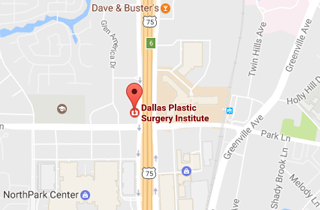
Our Location Dallas Plastic Surgery Institute

9101 N. Central Expwy.
Suite 600, Dallas, TX 75231
Tel: 214-827-2814
Dallas | Dr. Jejurikar

Stay Connected

Ready to get started?
Request a Consult