Your Guide to Lower Face and Neck Rejuvenation

Tag Archives: facelift

Your Guide to Lower Face and Neck Rejuvenation

Are you looking for solutions to address the signs of aging in the neck and lower face? A softening jawline and sagging neck are common concerns we see among men and women. Dr. Sam Jejurikar, our board-certified plastic surgeon at the Dallas Plastic Surgery Institute, specializes in lower face and neck rejuvenation, restoring your youthful contours with beautifully natural results. Contact the best plastic surgeon in Dallas to get started today!

Why Does the Neck Often Age Faster Than the Face?

The neck has much thinner skin, fewer oil glands, and less underlying fat to cushion and protect against gravity and sun exposure. Most people also apply SPF religiously to their faces and completely ignore their necks, further widening the gap.

A few specific changes drive that “aged neck” appearance:

  • The platysma muscle, a thin sheet of muscle running from the collarbone to the jaw, begins to separate in the midline, creating visible vertical neck bands.
  • Skin laxity increases as collagen production slows, and the tissue below the chin loses its ability to snap back.
  • Fat accumulates beneath the chin, softening the cervicomental angle, the sharp angle between the chin and neck that signals youth.

These changes can make someone look significantly older than they feel, even when the rest of the face still looks relatively youthful.

What Is a Neck Lift or Platysmaplasty?

A neck lift, technically called a platysmaplasty, directly addresses the muscle and skin laxity responsible for a sagging or banded neck. During the procedure, Dr. Jejurikar tightens and sutures the platysma muscle from beneath the chin, eliminating visible neck bands and recreating a cleaner jawline-to-neck transition. He may also recommend liposuction to remove submental fat, which is fat under the chin. If needed, he may use specialized suture techniques to further suspend and support the repositioned tissues, ensuring the results hold long-term rather than relaxing prematurely.

If you’re dealing with significant skin laxity, Dr. Jejurikar may extend the incisions behind your ears, allowing for more comprehensive skin tightening. Most people find recovery after treatment quite manageable, with many getting back to their everyday activities within 2 to 3 weeks.

Combining a Facelift and Neck Lift for a Seamless Jawline

The face and neck share the same underlying support system, and treating one in isolation can often leave you with uneven outcomes. A facelift helps tighten and reposition your deeper facial tissues, reducing jowling and restoring the contours of your midface and lower cheeks. A neck lift extends this correction downwards, creating continuity from your cheeks to your collarbone.
When combining a facelift with a neck rejuvenation, Dr. Jejurikar pays close attention to the transition zone, the area just below your jaw. He uses advanced techniques, including precise tissue layering, and may recommend non-surgical treatments such as laser resurfacing to improve your skin’s texture and tighten the surface layer. This multi-layered approach helps address signs of skin aging at every depth, not just at the surface.
Good candidates for combined lower face and neck rejuvenation typically share a few things in common:

  • Visible jowling or a poorly defined jawline
  • Loose skin or banding in the neck
  • Good overall health and a stable weight
  • Realistic goals and a desire for natural-looking, lasting results

Best Facelift and Neck Lift Surgery Near Me in Dallas, TX

If you are looking for solutions to improve the appearance of your lower face and neck, Dr. Sam Jejurikar may recommend a lower face or neck lift or a combination of the two. Our acclaimed provider brings board-certified expertise and an artist’s attention to proportion to every procedure. You can count on the best plastic surgeon in Dallas for exceptional care and impressive treatment outcomes.

We invite you to call 214-827-2814 to schedule your facelift or neck lift consultation, or request one online today!

I’ve seen many patients in their late 30s and early 40s who are interested in treating early facial aging. Most are familiar with Botox and fillers such as Juvederm, Restylane and Radiesse, but they want to learn about options with longer lasting results.

A facelift consists of repositioning deep facial soft tissue and tightening of the skin. Although it remains the gold standard for treating signs of facial aging, it is an invasive surgical procedure and requires 2-3 weeks of recovery. Some patients don’t have the time for this, or feel that they are too young for this option.

There are other options for signs of early facial aging in Dallas. The first is a new treatment called Ulthera, which is offered at EpiCentre Dallas and EpiCentre Legacy (Plano). This involves deep ultrasound treatment to reposition and tighten the deeper facial fat and soft tissue. Although the results are not as dramatic as those seen with a facelift, Ulthera offers proven clinical results with minimal downtime. Another treatment, which is effective for skin tightening, is Thermage. Thermage uses radiofrequency, or heat, to tighten the skin. This can effectively tighten the skin of the lower face and neck with virtually no downtime.

If you would like to learn more about surgery for facial aging in Dallas, as well as noninvasive treatments, including Ulthera, Thermage, Botox, Juvéderm, Restylane, and Radiesse, don’t hesitate to contact Dr. Jejurikar’s office at (214)827-2814.

Many patients have asked if they can continue smoking up until their cosmetic surgery. The procedures most often in question are breast lifts (with or without implants), breast reductions, tummy tucks, and facelifts. Simply put, smoking and these surgeries can be recipes for disaster. Tobacco, nicotine, and carbon monoxide—key components of cigarettes—are proven to impede wound healing, making the stakes incredibly high for patients who smoke. Let’s delve into the risks and evidence, emphasizing why quitting smoking before surgery is not just advisable but crucial.

How Smoking Impairs Wound Healing

Smoking significantly affects the body’s ability to heal wounds. Nicotine constricts blood vessels, reducing blood flow to tissues. Carbon monoxide decreases oxygen levels in the blood, while tobacco’s toxic chemicals damage collagen and elastin, which are essential for skin strength and elasticity. Together, these factors severely impair the body’s capacity to recover after surgery.

In surgeries that involve lifting and tightening large amounts of skin, such as tummy tucks or facelifts, reduced blood flow can result in serious complications:

  • Skin necrosis: A condition where the skin literally dies due to insufficient blood supply.
  • Delayed wound healing: Prolonged recovery time increases the risk of infection and other complications.
  • Dehiscence: This occurs when a wound reopens after being surgically closed, exposing underlying tissues.
  • Infection: Poor oxygenation compromises the immune response, making smokers more susceptible to post-operative infections.

High-Risk Procedures for Smokers

Some cosmetic procedures pose greater risks for smokers due to the extensive skin manipulation involved. Here are examples of surgeries where smoking can have disastrous effects:

1. Facelifts (Rhytidectomy)

Facelifts involve tightening the skin and underlying tissues of the face to achieve a more youthful appearance. The skin’s blood supply is already reduced during this procedure due to the surgical lifting of the tissues. Smoking compounds this reduction, greatly increasing the risk of skin necrosis, especially around the incisions near the ears. Smokers are more likely to experience prolonged bruising, hematomas, and suboptimal scarring after facelifts.

2. Tummy Tucks (Abdominoplasty)

Tummy tucks involve removing excess skin and tightening abdominal muscles. This procedure disrupts a significant amount of blood supply to the abdominal skin, leaving it reliant on a network of smaller vessels to heal. Smokers face an elevated risk of wound dehiscence, infection, and skin necrosis. In extreme cases, large portions of the abdominal skin can turn black and die, requiring additional surgeries to address.

3. Breast Lifts and Reductions

Both breast lifts and reductions involve reshaping and lifting breast tissue while removing excess skin. Smoking dramatically increases the chances of nipple necrosis, where the nipple and surrounding areola lose blood supply and die. This catastrophic outcome often requires further reconstruction surgeries and can leave devastating scars.

4. Laser Skin Treatments

Even minimally invasive treatments like laser resurfacing can be affected by smoking. Smoking impairs the skin’s ability to regenerate and heal after laser treatments, leading to prolonged redness, irritation, and subpar results.

Evidence Supporting the Risks

Multiple studies have documented the dangers of smoking in surgical patients:

Procedures Considered Safer for Smokers

Certain cosmetic procedures are considered somewhat safer for smokers, as they involve less extensive skin manipulation. These include:

  • Rhinoplasty: The reshaping of the nose typically doesn’t require significant skin lifting.
  • Liposuction: While it removes fat, it does not heavily impact the skin’s blood supply.
  • Breast Augmentation: Implant placement involves less disruption to the skin’s vascularity.

Even so, smokers undergoing these surgeries are still at a higher risk of complications compared to non-smokers. Surgeons often provide strong warnings and disclaimers to ensure patients understand the risks.

Why Quitting Smoking is Critical

Because cosmetic surgery is elective, the goal is to minimize all potential risks. Quitting smoking even two to four weeks before surgery can significantly improve outcomes. Here’s how:

  • Improved oxygenation: Increased oxygen levels enhance wound healing and immune function.
  • Better blood flow: Nicotine-free blood vessels are more effective at delivering nutrients and removing waste from tissues.
  • Reduced inflammation: Smoking cessation lowers systemic inflammation, which supports overall recovery.

Surgeons may also recommend quitting all nicotine products, including vaping and nicotine replacement therapies, as these can have similar effects on blood flow.

Conclusion: Choose Health Over Habit

The risks of smoking before cosmetic surgery are too significant to ignore. From facelifts to tummy tucks, the combination of smoking and extensive skin manipulation can lead to devastating complications, including skin necrosis, delayed healing, and infection. For those considering elective procedures, quitting smoking is not merely a recommendation but a vital step to ensure a safer surgery and optimal results.

If you’re planning cosmetic surgery and currently smoke, talk to your surgeon about strategies to quit. Your health, safety, and aesthetic outcomes depend on it.

What Do People Value Most About Beauty? Insights for 2024

Beauty is a personal and evolving concept, with different features holding more importance as we age. A recent survey from Beauty for Life, a collaboration between leading plastic surgery organizations, sheds light on what individuals value most about themselves and others, as well as their primary concerns about their appearance.

What People Find Most Appealing

When asked about the most appealing aspects of beauty in others, responses varied by age:

  • In their 20s, 30s, and 40s, individuals tended to prioritize a fit, well-proportioned body.
  • For those in their 50s and 60s, youthful skin became the most valued feature.

When reflecting on their own concerns, however, respondents showed different priorities. For example, in their 30s, many individuals focused on their abdomen and hips, while in other decades, concerns about the face took precedence.


Body Concerns Through the Decades

When it came to personal concerns, the focus on specific areas of the body also changed with age:

  • 30s: Abdomen and hips were the most commonly cited areas of concern.
  • 40s: Abdomen and hips remained the top concern, but the percentage shifted slightly.
  • 50s and 60s: While concerns about the abdomen and hips persisted, these areas consistently outpaced concerns about the breasts or chest.

These results suggest that priorities shift over time, but the abdomen and hips often remain areas of focus for those seeking aesthetic improvements.


Motivations for Maintaining Appearance

When asked why maintaining physical appearance was important, self-confidence was the leading motivator across all age groups. Other reasons, however, changed with life stages:

  • Younger respondents often prioritized attractiveness to potential partners.
  • In their 30s and 40s, individuals increasingly viewed appearance as a factor in professional opportunities.
  • Later in life, social factors like forming friendships became more significant.

These insights highlight how personal and professional contexts influence our approach to beauty and self-care over time.


Factors Contributing to Beauty

When it comes to maintaining beauty, respondents emphasized the importance of a well-rounded approach:

  • Healthy habits like regular exercise, a balanced diet, and good skincare were consistently valued.
  • In later decades, many respondents also recognized the role of cosmetic medical procedures in maintaining a youthful appearance, with these treatments becoming increasingly important as part of an overall beauty routine.

Understanding Evolving Priorities

These survey results underscore that beauty concerns and priorities evolve throughout life. For younger individuals, the focus may be on certain physical attributes or relationship goals, while older adults may place greater importance on maintaining a youthful appearance for social and professional reasons.

Recognizing these shifts is important for anyone considering aesthetic treatments, helping individuals make choices that align with their personal goals and values at every stage of life.

If you’re interested in exploring options for enhancing your appearance, it’s helpful to consult with a board certified plastic surgeon like Dr. Jejurikar who can guide you through the best approaches to meet your needs and priorities.

Are Trendy, Branded Cosmetic Procedures Right for You? Insights for 2024

The cosmetic surgery industry has evolved dramatically over the past 15 years. However, one challenge remains constant: the growing trend of marketing branded surgical and nonsurgical procedures as quick fixes for aesthetic concerns. Names like “Lifestyle Lift,” “Thread-Tox,” and “Smart-Lipo” promise miraculous results with little to no downtime. But are these highly marketed procedures the best option for achieving your desired results? Experts emphasize that while marketing has advanced, patient safety and outcomes must always remain the top priority.


Understanding Branded Procedures

Branded procedures often fall into two categories:

  1. Named for the Innovator: These are techniques associated with a specific surgeon or researcher who popularized the method, such as Saldanha’s lipoabdominoplasty or Furnas’ conchal setback technique. These techniques are typically validated through rigorous scientific research and documented in medical literature.
  2. Marketing-Driven Branding: These procedures are often created as marketing tools, designed to appeal directly to consumers with catchy names and bold promises. While they may offer some benefits, their efficacy and safety often depend heavily on the practitioner’s training and skill.

The Importance of Expertise Over Branding

As new technologies and procedures emerge, the Aesthetic Society continues to stress that a procedure is only as effective as the surgeon performing it. Branded procedures often simplify or oversell the complexities of aesthetic surgery. This can lead to mismatched expectations and, in some cases, unsafe outcomes.

Dr. J. Peter Rubin, a board-certified plastic surgeon, highlights the importance of selecting the right procedure for the right patient. “In the wrong clinical setting, the results may not come close to the promises made in the advertising,” he says. The judgment and expertise of a board-certified plastic surgeon remain the most critical factors in achieving optimal results.


Matching the Patient to the Procedure

Marketing for branded techniques often implies a one-size-fits-all solution. However, according to Dr. Sherrell Aston, past-president of the Aesthetic Society, “The human anatomy and aging process vary significantly from person to person. A single facelift technique, for example, cannot appropriately address the unique needs of every individual.”

Short-incision facelifts, “minimally invasive” techniques, and other marketed solutions can yield excellent results—but only when tailored to the right patient by a highly skilled surgeon.


Patient Safety in 2024

Patient safety has become an even more critical focus in today’s cosmetic landscape as the demand for procedures has surged, along with the number of underqualified providers offering them. Procedures such as facelifts, liposuction, abdominoplasty, and breast surgeries require extensive training and expertise.

Dr. Renato Saltz, a past president of the Aesthetic Society, emphasizes that the rigorous residency training required for certification by the American Board of Plastic Surgery (ABPS) equips surgeons to handle the complexities of these procedures. This training ensures not only technical skill but also an understanding of ethics, safety, and patient-centered care.


How to Choose the Right Surgeon and Procedure

If you are considering a cosmetic procedure, follow these steps to ensure your safety and satisfaction:

  1. Research the Procedure Thoroughly: Understand the potential benefits, risks, and recovery time for the procedure you’re considering. Avoid being swayed solely by catchy names or marketing claims.
  2. Verify Your Surgeon’s Credentials: Ensure your surgeon is certified by the American Board of Plastic Surgery (ABPS) or an equivalent, recognized certifying board. This certification demonstrates extensive training and expertise in aesthetic surgery.
  3. Ask About Experience: Choose a surgeon who specializes in the procedure you’re considering. Ask how many similar procedures they’ve performed and request to see before-and-after photos.
  4. Prioritize a Tailored Approach: A skilled surgeon will evaluate your unique anatomy and goals to recommend the best procedure for you, whether or not it’s a branded technique.
  5. Understand Informed Consent: Ensure that your surgeon fully explains the procedure, risks, benefits, and alternatives. Take the time to read and understand all consent documents before signing.

The Evolution of Minimally Invasive Procedures

In 2024, advances in technology have introduced new, minimally invasive options for facial and body rejuvenation. Treatments such as radiofrequency microneedling, laser liposuction, and injectable fillers can address some aesthetic concerns with less downtime than traditional surgery. However, these are not replacements for surgical procedures in cases requiring more significant changes. Consulting with a qualified plastic surgeon ensures that your chosen treatment aligns with your goals and delivers realistic, long-lasting results.


Conclusion: Expertise Matters More Than Branding

Branded procedures may promise convenience and fast results, but the most critical factor in cosmetic surgery remains the skill, training, and judgment of your surgeon. Marketing trends come and go, but patient safety and individualized care are timeless. By choosing a board-certified plastic surgeon and prioritizing a personalized approach, you can achieve beautiful, natural results that align with your aesthetic goals.

If you’re considering a cosmetic procedure, visit the Aesthetic Society at www.surgery.org to learn more about qualified providers and the latest advancements in the field. Your safety and satisfaction depend on making informed decisions guided by experts.

Contact

Contact

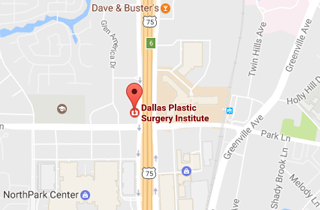
Our Location Dallas Plastic Surgery Institute

9101 N. Central Expwy.
Suite 600, Dallas, TX 75231
Tel: 214-827-2814
Dallas | Dr. Jejurikar

Stay Connected

Ready to get started?
Request a Consult