Motiva® Implants and Internal Bras: A Modern Approach to Long-Lasting Breast Augmentation Results

Motiva® Implants and Internal Bras: A Modern Approach to Long-Lasting Breast Augmentation Results

For patients seeking breast augmentation, today’s technology offers more advanced and refined options than ever before. At the forefront of this innovation are Motiva® breast implants, which are sixth generation cohesive silicone gel implants (gummy bear implants). Motiva silicone breast implants are known for their excellent safety profile, natural look and feel, and significantly reduced risk of capsular contracture. When paired with biosynthetic internal bras, especially in certain clinical scenarios, these implants can help deliver long-term, beautiful results.

What Is Capsular Contracture—and Why Does Motiva Matter?

After any breast implant surgery, the body naturally forms a layer of scar tissue around the implant. This is called the capsule, and it’s part of the body’s normal healing response. In some cases, however, the capsule can become too thick or tight, causing the implant to feel firm, appear distorted, or even become painful—a condition known as capsular contracture.

One of the standout benefits of Motiva® implants is their extremely low rate of capsular contracture. This is largely due to their scientifically engineered nano-textured surface. Unlike traditional textured implants (macrotextured)—which have larger, more irregular surface topographies—Motiva’s implants are uniquely designed with 4-micron uniform nano-texturing. This specific surface architecture helps modulate the body’s immune response and reduces excessive inflammation, which is a key factor in capsule formation.

Several studies suggest that this nano-surface promotes more favorable integration with surrounding tissue, thereby decreasing the likelihood of the body forming a problematic capsule. In practice, this means fewer complications (specifically capsular contracture and rupture), fewer reoperations, and longer-lasting results for patients.

The Trade-Off: Malposition Risk

While Motiva’s smooth nano-texture provides a significant advantage when it comes to capsular contracture, it also brings one important consideration: malposition. Because these implants don’t “stick” to surrounding tissue in the same way that more heavily textured or smooth implants  do, they can be more mobile within the pocket—especially in the early post-operative period or in patients with thinner tissue coverage.

Implant malposition can include a variety of issues:

  • Bottoming out – when the implant drops too low

  • Lateral displacement – when the implant shifts too far to the sides

  • Symmastia – when implants drift too close to the midline

  • High-riding implants – when implants sit unnaturally high on the chest

To mitigate this risk and create better long-term support, many surgeons—including myself—are increasingly turning to the use of biosynthetic meshes, often referred to as internal bras.

What Is an Internal Bra?
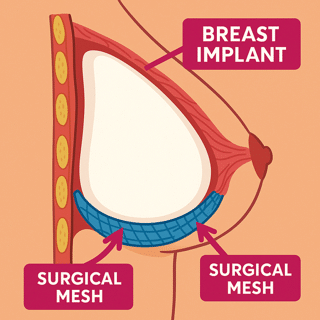
An internal bra is a supportive scaffold placed within the breast pocket during surgery. It acts like an invisible hammock, reinforcing the lower pole of the breast and helping maintain optimal implant position over time. This is especially important in patients who choose larger implants, have weaker tissue support, or are undergoing subfascial augmentation, where the implant sits just under the breast fascia rather than under the pectoral muscle.

Internal bras are no longer reserved for complex revisions—they’re now commonly used in primary breast augmentations when added support is needed.

Biosynthetic Meshes: TIGR® vs. GalaFLEX®

Two of the most widely used biosynthetic meshes are TIGR® Matrix and GalaFLEX®, each with their own distinct properties:

  • TIGR® Matrix is a long-term resorbable mesh made of synthetic polymers that gradually dissolve over about 3 years. It provides initial strength and support, while slowly transferring the mechanical load to the body’s natural tissues as they regenerate and remodel.

  • GalaFLEX® is a scaffold made from poly-4-hydroxybutyrate (P4HB), a naturally derived biopolymer. It’s absorbed over a longer timeframe—18 to 24 months—and encourages robust collagen production. GalaFLEX is particularly helpful in patients with thin tissues, previous surgeries, or implants placed above the muscle.

Both meshes have excellent track records and can be selected based on the patient’s anatomy, surgical goals, and the surgeon’s clinical judgment. I tend to use internal bras more often in cases where larger implants are placed, or where subfascial augmentation is performed—because in those settings, the tissue support is often not enough to prevent long-term implant descent.

Choosing the Right Implant: Ergonomix™ vs. Round

Motiva® implants come in two popular styles: Ergonomix™ and Round.

  • Motiva Ergonomix™ implants are designed to behave like natural breast tissue. They shift shape slightly depending on the patient’s position—more teardrop-shaped when standing, rounder when lying down. These are great for patients who want a softer, more subtle look and a highly natural feel.

  • Motiva Round implants offer more upper pole fullness and are ideal for patients who want a bolder, more augmented appearance while still benefiting from the safety of the nano-textured surface.

When combined with the appropriate mesh-based internal bra, either implant can produce stunning, long-lasting results—even in challenging cases.

The Bottom Line

Motiva implants represent one of the most exciting advancements in breast augmentation in the last decade. With their ultra-low capsular contracture rates, natural aesthetics, and innovative nano-texturing, they offer patients a safer, more predictable experience. However, to optimize long-term outcomes—especially in patients with larger implants, thin tissues, or subfascial placements—the strategic use of an internal bra with TIGR® or GalaFLEX® mesh can be a game-changer.

As with all surgical choices, the best approach is highly individualized. In my practice, I take pride in tailoring each procedure based on a detailed understanding of anatomy, patient goals, and the latest in surgical science—whether that means selecting the right Motiva implant, reinforcing results with mesh, or combining both for the ultimate support and aesthetic outcome.
Journavx™: A Game-Changer for Tummy Tuck & Body Lift Recovery

Let’s face it — pain is one of the biggest concerns for anyone considering a tummy tuck or body lift. But what if we told you there’s a new way to manage pain after surgery that doesn’t rely on opioids — and still works exceptionally well?

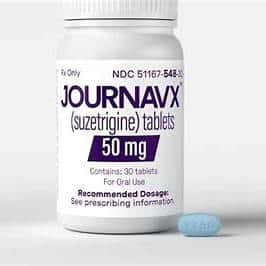
Meet Journavx™ (suzetrigine) — a revolutionary, FDA-approved non-opioid pain medication that’s transforming how we care for plastic surgery patients.


Why Pain Control Matters in Plastic Surgery

Procedures like abdominoplasty (tummy tuck) and body lifts are powerful tools to reshape and rejuvenate the body. But they also involve significant soft tissue work — tightening abdominal muscles, removing excess skin, sculpting contours. All of this leads to postoperative soreness that can last for days.

Traditionally, we’ve relied on opioid painkillers to get patients through the first few days. While effective, opioids come with baggage — grogginess, nausea, constipation, and the potential for dependency.

This is where Journavx™ changes the game.


What Makes Journavx™ So Special?

Journavx™ targets a very specific pain pathway — the NaV1.8 sodium channel, which lives in the peripheral nervous system (i.e., the part of your body that sends pain signals to your brain). By blocking this channel, Journavx™ helps reduce surgical pain without affecting your central nervous system.

That means:

  • No sedation

  • No euphoria or “high”

  • No respiratory depression

  • No addictive potential

And yes — it actually works.


The Data: What We Know So Far

In clinical trials involving abdominoplasty (one of the most demanding body contouring procedures), Journavx™ cut pain levels by nearly 50% — matching or outperforming traditional opioid combinations like hydrocodone-acetaminophen.

Even better? Patients reported fewer side effects and were more mobile in the critical early days after surgery.

For our patients, that could mean:

  • Faster recovery

  • Less reliance on narcotics

  • Improved comfort from Day 1


How We’re Using It in Our Practice

At Dallas Plastic Surgery Institute, we’re always looking for innovative, evidence-based ways to improve the patient experience. For select patients undergoing tummy tucks or body lifts, Journavx™ may now be part of your personalized pain management plan.

We’ll still use a multimodal approach — meaning local anesthesia during surgery, non-opioid medications afterward, and sometimes a limited amount of narcotics — but Journavx™ gives us a new, powerful tool to help you heal more comfortably.


Is Journavx™ Right for You?

Not every patient will need it. And while it’s newly approved and gaining traction, availability and insurance coverage are still catching up (Journavx™ costs around $15.50 per dose at the wholesale level).

But for patients who want to avoid opioids, are concerned about side effects, or have had rough recoveries in the past, it could be a fantastic option.


The Bottom Line

Journavx™ is ushering in a new era of recovery — one where you can bounce back faster, feel better sooner, and rely less on heavy painkillers.

If you’re considering a tummy tuck, body lift, or other transformative surgery, let’s talk about whether Journavx™ fits into your recovery plan.


Dr. Sam Jejurikar
Board-Certified Plastic Surgeon
Dallas Plastic Surgery Institute

📞 Call us: (214) 827-2814
📍 Located in Dallas, TX
🔗 Schedule a Consultation

Scar Treatments That Actually Work: A Surgeon’s Guide to Fading Scars

One of the most common questions I get from patients is: “What can I do to make my scars heal better?”

Scars are a natural part of healing after surgery, but that doesn’t mean you’re powerless over how they look. With the right care and tools, you can absolutely help your scars fade more smoothly over time. Whether you’ve just had surgery or are planning for it, here’s what actually works — and what you need to know about timing, treatment, and protection.

1. Silicone Sheets or Gels: The MVP of Scar Care

If I had to pick just one treatment for scars, it would be silicone. Silicone sheets or gels are the gold standard.

They work by keeping the scar hydrated and protected, helping to flatten raised scars and fade discoloration. Silicone acts as a protective barrier that locks in moisture and creates the perfect environment for your skin to heal.

I recommend starting silicone therapy as soon as your incisions have fully closed and healed. It’s easy to apply and, with consistent use, can make a significant difference in the final appearance of your scar.

2. Lasers and Microneedling: Power Treatments for Texture and Color

Once your scar has matured a bit — usually several weeks to a few months post-op — treatments like lasers and microneedling can work wonders.

Lasers help reduce redness and pigmentation while smoothing out texture. Microneedling stimulates your skin’s natural collagen production, improving scar thickness and flexibility.

Both treatments are effective not just for new scars but for older ones too, giving them a second chance to fade and blend into surrounding skin.

3. Bleaching Creams and Retinols: Brighten and Smooth

If your scar is darker than your natural skin tone, bleaching creams (containing ingredients like hydroquinone or kojic acid) can help lighten hyperpigmentation.

Retinols, on the other hand, increase skin cell turnover and smooth the texture of the scar over time. They’re not immediate fixes, but with consistent use, they support your skin’s renewal process and enhance your overall scar treatment plan.

4. Timing Is Everything

One of the biggest misconceptions about scar treatments is expecting overnight results. Healing is a marathon, not a sprint.

Start with silicone early, stay patient, and layer in advanced treatments like lasers and retinol as your scar matures. Following a thoughtful, phased approach is how you’ll get the best results.

5. Don’t Forget Sun Protection!

Here’s the part that a lot of people overlook — and it can make or break your results. Sun exposure can darken scars very quickly, making them harder to treat later.

Always protect your scar from the sun, especially in the early months of healing. Use physical barriers like clothing, and apply sunscreen with high SPF if the area is exposed. Trust me, this simple step can dramatically improve your scar’s appearance over time.


Final Thoughts

Scars are a natural part of your surgical journey, but with the right care, they don’t have to define your results. Whether you’re using silicone sheets, advanced laser treatments, or just being diligent about sun protection, you’re giving your skin the best possible chance to heal beautifully.

As always, if you have questions about scar care or any part of your recovery, reach out to your surgeon. If you’re in the Dallas area, I’d be happy to guide you through your recovery plan personally.

Stay consistent, stay protected, and stay patient — your skin will thank you.

Dr. Sam Jejurikar
Dallas Board-Certified Plastic Surgeon

Why Vaping—Even Without Nicotine—Can Wreck Your Tummy Tuck Results

If you’re planning a tummy tuck, you’ve likely put a lot of thought into it—time off work, recovery, finances, and even your vision for how you want to look. But there’s one habit that could quietly sabotage your results: vaping. Many patients believe vaping is safer than smoking, especially because it’s odorless, low in nicotine, or even nicotine-free. Unfortunately, that’s simply not true. All forms of vaping are harmful before a tummy tuck and can increase the risk of complications.

Yes, even nicotine-free vaping.

As a surgeon who has performed hundreds of tummy tucks every year, I’ve seen firsthand how critical the healing process is. When patients follow pre- and post-op instructions, recovery is smooth and results are beautiful. But when nicotine—or vaping of any kind—is involved, the risk of serious complications skyrockets.


Vaping Chokes Your Blood Supply

Most patients know they should stop smoking before surgery. But vaping is often misunderstood. Whether it contains nicotine or not, vaping compromises blood flow and tissue oxygenation.

Here’s how:

  • Nicotine (even small amounts) constricts blood vessels, reducing circulation to the surgical site.

  • “Nicotine-free” vapes still contain chemicals and irritants that inflame the lungs and lower oxygen delivery to healing tissues.

  • Both forms of vaping slow down the body’s ability to repair itself.

Tummy tuck skin flaps are especially vulnerable—they rely on fragile microvascular connections to survive. When oxygen and nutrients can’t get there, the tissue begins to die.


The Consequences Are Real

Vaping—even casually—puts you at higher risk for:

  • Wound healing problems

  • Skin necrosis

  • Infection

  • Seroma formation

  • Thick, uneven scarring

  • Delayed recovery and revision surgery

I’ve seen cases where patients swore they had quit, but their bodies told a different story. The difference in healing between non-vapers and vapers is dramatic.


Can We Save Compromised Tissue?

In some cases, we can. I often use hyperbaric oxygen therapy (HBOT) to salvage threatened tissue after tummy tuck surgery. HBOT floods the body with 100% oxygen at high pressure, jumpstarting the healing process and improving blood flow to damaged areas.

It’s powerful—but it’s not a guarantee. It’s always better to avoid the problem in the first place.


My Recommendation

Stop all vaping—nicotine or not—for at least 4 weeks before and 4 weeks after surgery. That gives your body time to restore full blood flow and maximize your healing potential.

If you’re unsure whether your vape contains nicotine, assume it does—many products are mislabeled or misleading. Your results are too important to gamble with.


Still Have Questions?

Contact my office directly. My team and I are here to guide you through every step of the process. We’ll answer your questions, provide support if you’re trying to quit, and do everything we can to help you have the safest, most successful surgery possible.

Call us at (214) 827-2814 or send a message through our website. We’re happy to help.

Shaping the Modern Man: The Rise of Male Liposuction

Is liposuction just for women? Absolutely not! More and more men are turning to plastic surgery to enhance their physique and boost their confidence. So, what’s driving this trend? As a board-certified plastic surgeon in Dallas, Texas, I have seen a steady increase in male patients seeking body contouring procedures. While women have historically dominated the cosmetic surgery landscape, the stigma surrounding male plastic surgery is fading fast. In fact, liposuction is now one of the most popular procedures among men, with nearly 20,000 undergoing the procedure in 2022 alone.

Why Are Men Choosing Liposuction?

For many men, diet and exercise alone aren’t enough to achieve their ideal physique. Some struggle with stubborn fat pockets that won’t budge, no matter how many hours they spend at the gym. Others are looking to enhance muscle definition for a leaner, more sculpted look.

I see a lot of men who are already in good shape, but they want to refine their body contours. Many are taking testosterone, GLP-1 agonists like Mounjaro or Wegovy, and other supplements to optimize their fitness. Liposuction has become another tool in their regimen to achieve a more defined physique.

The Ideal Candidate for Male Liposuction

Not all men are suitable candidates for liposuction. The best candidates are those who:

  • Are already in good physical shape
  • Have stubborn fat deposits resistant to diet and exercise
  • Have good skin elasticity to ensure optimal contouring
  • Are not using liposuction as a weight-loss procedure

The ideal patient is someone who works out, eats well, and just needs that extra help to achieve their aesthetic goals. This isn’t a shortcut for weight loss—it’s a way to enhance an already fit physique.

Key Differences in Male vs. Female Liposuction

One of the biggest concerns male patients have is whether they’ll end up looking too sculpted or unnatural. I always reassure my patients that the approach to male liposuction is very different from female liposuction.

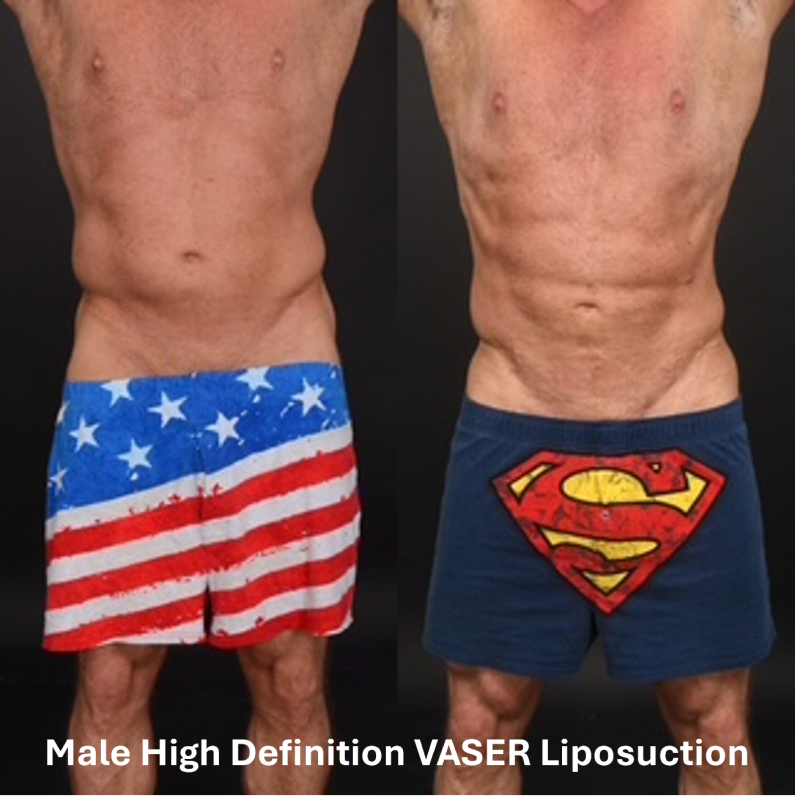
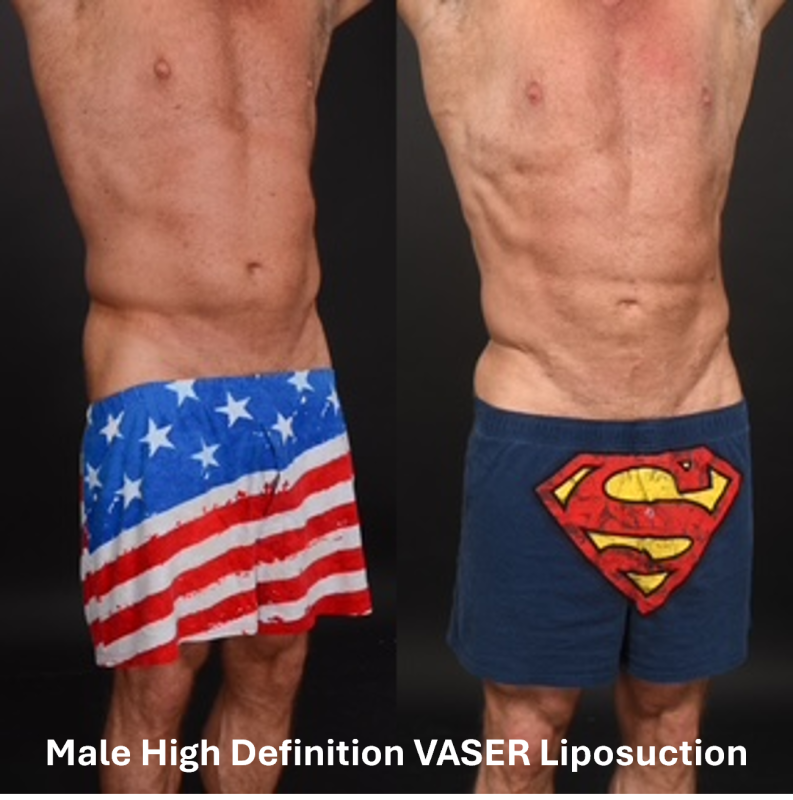
For women, I focus on creating an hourglass silhouette by contouring the waist and enhancing curves. For men, it’s all about defining muscle structure—creating a V-shaped torso, emphasizing the chest, and sculpting the abdominal muscles.

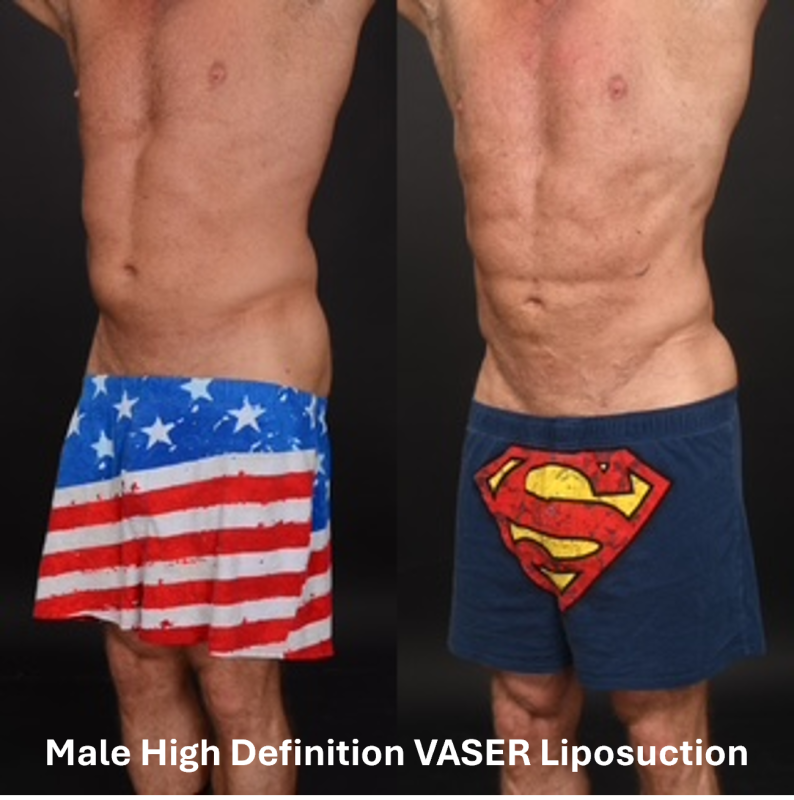
Male High Definition VASER liposuction

Some key differences in technique include:

  • More aggressive fat removal in the flanks (love handles) to achieve a leaner waistline
  • Avoiding excessive contouring in areas that could create a feminine shape
  • Using advanced energy-assisted liposuction techniques (such as VASER or BodyTite) to enhance muscle definition
  • Fat grafting to muscles like the pecs, lats, and biceps for a more athletic appearance

Addressing Visceral Fat: The GLP-1 Revolution

One of the challenges in male liposuction is dealing with visceral fat—the fat stored deep within the abdominal cavity around organs. Unlike subcutaneous fat, which can be removed with liposuction, visceral fat can only be reduced through lifestyle changes.

In the past, I had to tell men with visceral fat that there wasn’t much we could do surgically. Now, with GLP-1 medications like Wegovy and Mounjaro, we’re seeing incredible reductions in visceral fat. These medications are game-changers for men who struggle with stubborn belly fat.

Post-Op Recovery: What Men Need to Know

Male patients tend to underestimate the recovery process, often assuming they can jump right back into their daily routines. I emphasize the importance of proper recovery protocols, including:

  • Wearing compression garments for at least six weeks to minimize swelling
  • Using drains when necessary to prevent post-op fluid accumulation
  • Incorporating lymphatic massages to speed up the healing process
  • Maintaining a high-protein diet to preserve muscle mass and promote healing

Some men struggle with wearing compression garments or following post-op restrictions. But the best results come from those who take recovery seriously.

The Future of Male Liposuction

The growing popularity of male liposuction is a reflection of broader cultural shifts. Men are more comfortable investing in their appearance, and plastic surgery is becoming a normal part of self-care.

I see this trend continuing to grow. As more men see the incredible results that can be achieved with liposuction, the demand will only increase.

For men who have long struggled with stubborn fat or want to take their physique to the next level, liposuction is no longer a taboo topic—it’s an accepted and effective solution for achieving their ideal body.

If you’re considering male liposuction, schedule a consultation to determine the best approach for your individual goals.


Interested in learning more about male plastic surgery? Contact my Dallas Plastic Surgery Institute office (Dr. Sam Jejurikar) at 214-827-2814 to schedule a consultation!

Understanding the Differences: Mini, Traditional, Extended, and Circumferential Tummy Tucks

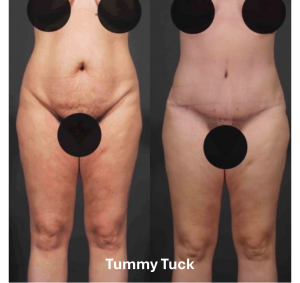
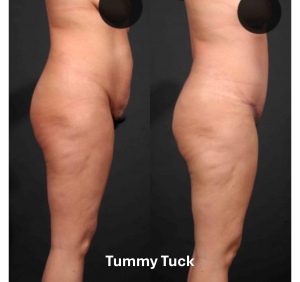
As a board-certified plastic surgeon, I, Dr. Sam Jejurikar, perform a high volume of tummy tuck procedures, helping patients achieve a flatter, more contoured abdomen. I’m fortunate to have been selected to D Magazine’s Best Doctors list for the past five years and Newsweek’s Best Plastic Surgeons list for the past three years. When considering a tummy tuck, it’s important to understand the different options. What are the differences between, mini, traditional, extended and circumferential tummy tuck? The main difference between each type is incision length, but all allow for muscle tightening (rectus plication) and liposuction to enhance results.

Mini Tummy Tuck: Subtle Enhancement with a Small Incision

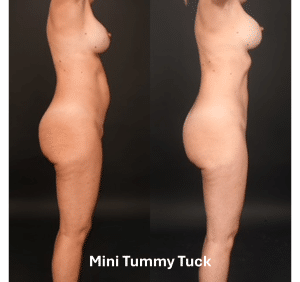
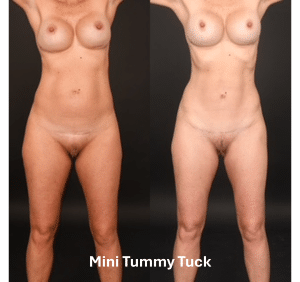
A mini tummy tuck is ideal for patients with mild skin laxity below the belly button. The incision is short, similar to a C-section scar. This procedure removes excess skin, tightens lower abdominal muscles, and preserves the belly button. While there’s no incision around the belly button, I can perform an umbilical float (navel repositioning), slightly lowering it for a more natural result.

Ideal Candidate:

✔ Mild skin laxity below the navel
✔ Shorter recovery than a full tummy tuck
✔ Close to ideal body weight with limited need for skin removal

Traditional Tummy Tuck: Comprehensive Abdominal Rejuvenation

A full tummy tuck removes excess skin and tightens muscles from the ribcage down to the pubic area. The incision runs from hip to hip but stays low enough to be hidden by most underwear and swimsuits. The belly button is repositioned, ensuring a natural appearance. While this procedure dramatically tightens the front of the abdomen, it does not provide as much contouring to the sides or waist.

Ideal Candidate:

✔ Excess skin and muscle laxity after pregnancy or weight loss
✔ Desire for a flatter, firmer abdomen
✔ Needs full rectus muscle repair but not much lateral contouring

Extended Tummy Tuck: Dramatic Hourglass Contouring

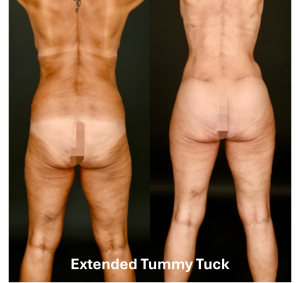
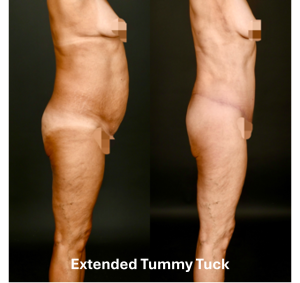
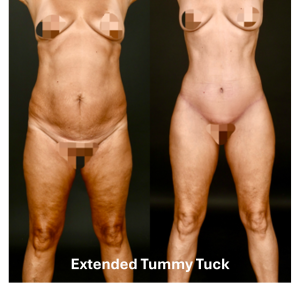
An extended tummy tuck goes beyond the traditional approach by removing excess skin that extends past the abdomen to the sides of the waist. The incision reaches beyond the hip bones, allowing for enhanced sculpting of the flanks and waistline. This procedure is excellent for patients seeking a dramatic hourglass figure and greater definition beyond the front of the abdomen.

Ideal Candidate:

✔ Loose skin extending past the abdomen
✔ Desire for more contouring along the waist and hips
✔ Desires dramatic reshaping of body to create an hourglass silhouette

Circumferential Tummy Tuck: 360-Degree Contouring with Gluteal Enhancement

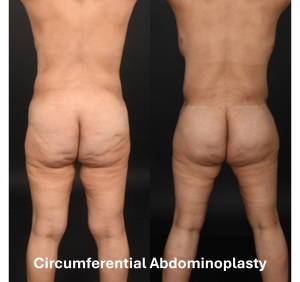
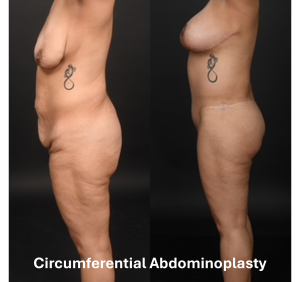
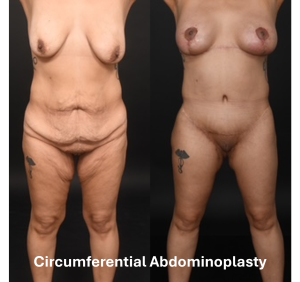
A circumferential tummy tuck, also called a body lift, removes excess skin from the abdomen, sides, and lower back. The incision extends around the entire waistline, providing a full 360-degree transformation. In addition to creating a flatter, firmer midsection, this procedure allows for gluteal autoaugmentation, where excess tissue from the lower back is used to naturally enhance the buttocks. This option is especially popular among patients who have experienced massive weight loss.

Ideal Candidate:

✔ Significant skin laxity in the abdomen, back, and flanks
✔ Desire for full lower body contouring
✔ Interest in a natural buttock enhancement through autoaugmentation
✔ Stable weight after major weight loss

Choosing the Right Tummy Tuck

The best procedure depends on how much excess skin you have, muscle separation, and your overall goals. I perform muscle tightening and liposuction with all tummy tuck procedures to achieve the best contour possible.

If you’re considering a tummy tuck, I’d love to discuss your options. Schedule a consultation by calling us at 214-827-2814 to create a customized plan for your transformation.

The Role of Visceral Fat in Body Contouring Surgery: Why It Matters for Liposuction

Liposuction is one of the most effective procedures for removing unwanted fat and reshaping the body. However, not all fat is created equally, and the presence of visceral fat can significantly impact the results of body contouring surgery. I frequently encounter requests to perform liposuction on individuals with significant amounts of visceral fat. I must explain to these patients that surgical intervention is not a viable option for treating such fat deposits. Understanding the anatomic location and health implications of visceral fat, its limitations in optimizing the results of surgical procedures, and how to reduce it is essential for both patients and surgeons alike.

Visceral Fat

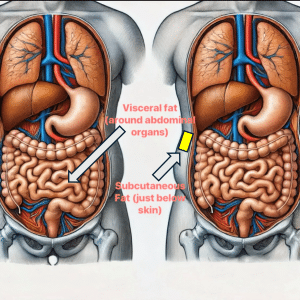
What is visceral fat? Fat in the human body is classified into two main types: subcutaneous fat and visceral fat.

  • Subcutaneous fat is the soft, pinchable fat that lies just beneath the skin. This is the type of fat that can be effectively targeted and removed through liposuction.
  • Visceral fat, on the other hand, is stored deep within the abdominal cavity, surrounding internal organs such as the liver, intestines, and pancreas. Unlike subcutaneous fat, visceral fat cannot be removed through liposuction due to the high risk of perforating the gastrointestinal tract or damaging solid organs.

Why Is Visceral Fat a Concern for Body Contouring Surgery?

Patients seeking body contouring procedures, such as liposuction or abdominoplasty, often expect dramatic results. However, the presence of excessive visceral fat can limit these outcomes for several key reasons:

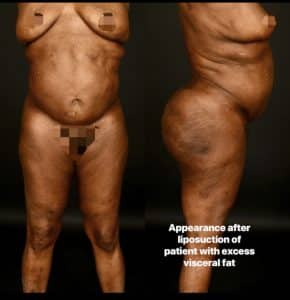
  1. Inability to Remove Visceral Fat with Liposuction: Liposuction exclusively targets subcutaneous fat, as it involves suctioning fat cells from directly beneath the skin. Visceral fat, which is located inside the abdominal cavity, is inaccessible to liposuction techniques. No surgical method can safely remove visceral fat directly, meaning that patients with a high volume of visceral fat will not achieve the slimmed-down look they desire after surgery.
  2. Impact on Abdominal Contouring: Patients with excessive visceral fat will still have a convex abdominal shape after liposuction. This is because the fat pushing outward from inside the abdominal cavity remains unchanged. While liposuction can remove superficial fat and improve body contour, it does not address the deep-seated fat responsible for a bloated midsection.
  3. Increased Surgical Risks: Excess visceral fat is associated with a range of health risks, including insulin resistance and type 2 diabetes, high blood pressure, and cardiovascular disease. From a surgical standpoint, patients with excessive visceral fat may face increased risks of complications such as poor wound healing, infections, and prolonged recovery times.
  4. Affects Muscle Tightening Procedures: In cases of tummy tuck (abdominoplasty), surgeons not only remove excess skin but also tighten the abdominal muscles to enhance contouring. However, significant visceral fat can put pressure on these muscles, making it more difficult to achieve optimal tightening and a flat abdominal profile. This means that even with muscle repair, the desired abdominal flattening may not be fully realized.

How to Reduce Visceral Fat Before Surgery

Because visceral fat cannot be removed surgically, patients must take steps to reduce it through lifestyle modifications. Some effective ways to reduce visceral fat include:

  • Adopt a Healthy Diet: Focus on a high-protein, low-carb, and fiber-rich diet to promote fat loss. Avoiding processed foods, excess sugar, and trans fats can help reduce visceral fat content over time.
  • Exercise Regularly: Engaging in cardiovascular exercises, such as running, cycling, or swimming, helps burn visceral fat more effectively than spot-reducing techniques.
  • Strength Training: Incorporating weightlifting or resistance training into your routine can boost metabolism and promote overall fat loss.
  • Manage Stress and Sleep: Chronic stress and poor sleep are linked to increased visceral fat accumulation. Practicing stress-reduction techniques and maintaining proper sleep hygiene are vital in promoting fat loss.
  • Medical Interventions: For some individuals, GLP-1 agonists (such as Mounjaro or Ozempic) or other medically supervised weight-loss treatments may be recommended to help reduce visceral fat before undergoing surgery.

Who Is an Ideal Candidate for Liposuction?

The best candidates for liposuction are those who:

  • Have realistic expectations about what liposuction can and cannot achieve.
  • Are at or near their ideal body weight with minimal visceral fat.
  • Maintain a healthy lifestyle with balanced nutrition and regular exercise.
  • Have good skin elasticity, which allows for better contouring post-surgery.

Final Thoughts

Liposuction is a powerful tool for refining body shape, but it is not a solution for deep, visceral fat. Patients must understand that visceral fat reduction requires lifestyle changes, and achieving an optimal body contour involves a combination of surgery and personal health management. By taking proactive steps to lower visceral fat before surgery, patients can improve both their surgical results and their overall health. If you’d like to learn more, do not hesitate to reach out to my Dallas Plastic Surgery office (Dr. Sam Jejurikar) at 214-827-2814.

Restoring Youthful Volume: Fat Grafting to the Face

When it comes to facial rejuvenation, volume is key. As we age, natural fat loss in the face can lead to hollowness, deeper folds, and a tired appearance. While fillers offer a temporary solution, fat grafting provides a more long-lasting and natural approach by using a patient’s own fat to restore youthful contours. Fat grafting doesn’t prevens the future need for fillers, but it can lessen the amount and frequency of treatments needed over the years.


Facial Fat Grafting

What is facial fat grafting? Facial fat grafting, also known as fat transfer, involves harvesting fat from another area of the body—typically the abdomen or inner thighs—purifying it, and strategically injecting it into specific areas of the face that have lost volume. This technique not only enhances facial features by providing much needed volume and filling deep lines, but also improves skin quality due to the regenerative properties of fat-derived stem cells.


A Real Patient Transformation

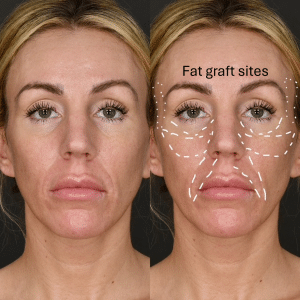
In a recent case, I performed facial fat grafting under general anesthesia, administering a total of 22 mL of fat strategically placed to restore volume and smooth contours:
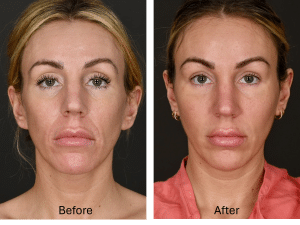
  • Nasolabial folds (smile lines): 4 mL per side
  • Malar region (cheeks): 5 mL
  • Lower eyelids: 1 mL of fractionated nanofat per side
  • Temples: 1 mL of fractionated nanofat per side

Now, just two months post-procedure, the patient looks incredible. The added volume has softened her deep folds, enhanced cheek definition, and improved overall facial harmony.


Understanding Fat Properties: Molecular Weight and Region-Specific Application
Not all fat is created equal. The molecular weight and structure of fat cells play a crucial role in determining where they should be placed in the face.

1. Structural Fat (High Molecular Weight)

  • Characteristics: Larger fat cells, higher volume retention, and more robust structure.
  • Ideal for: Deep volume restoration and structual support in areas like the cheeks (malar region) and jawline.
  • Example in this case: I placed 5 mL of fat into the malar region to restore cheek fullness and create youthful definition.

2. Microfat (Medium Molecular Weight)

  • Characteristics: Smaller fat particles that integrate well into moderately mobile areas of the face.
  • Ideal for: Filling nasolabial folds (marionette lines) to smooth out wrinkles and deep creases while maintaining natural expression.
  • Example in this case: I injected 4 mL into each nasolabial fold to soften smile lines and create a more youthful appearance.

3. Nanofat (Low Molecular Weight)

  • Characteristics: Extremely small fat particles containing regenerative stem cells but minimal volume-retaining fat cells.
  • Ideal for: Delicate areas with thin skin, such as the lower eyelids and temples, where fat primarily improves skin quality rather than providing volume.
  • Example in this case: 1 mL of fractionated nanofat was placed into each lower eyelid and each temple to improve hollowness, dark circles, and overall skin texture.

By selecting the appropriate fat type for each region, fat grafting achieves beautiful results that blend seamlessly with the patient’s facial structure.


Why Choose Fat Grafting?

Unlike traditional fillers, fat grafting offers long-lasting results since the transferred fat integrates with the surrounding tissue. While some resorption occurs in the first few months, the fat that survives remains permanently. Additional benefits include:

Natural-Looking Results – Since the fat is your own, there’s no risk of an allergic reaction.
Long-Term Improvement – Unlike fillers that need frequent touch-ups, fat grafting provides lasting volume enhancement.
Minimal Downtime – Recovery is relatively simple, with most patients experiencing mild swelling and bruising for a couple of weeks.


The Recovery Process

Patients can expect some swelling and bruising in the first few days, but most are back to normal activities within a week. Over the next few months, the fat settles, and the final results become more refined.


Final Thoughts

For those looking to restore lost facial volume naturally and effectively, fat grafting is an excellent solution. This patient’s transformation showcases how precise fat transfers create a more refreshed appearance without the need for fillers.

If you’re interested in learning more about facial fat grafting and whether it’s right for you, please call my office (Dr. Sam Jejurikar) at 214-827-2814.

Dr. Jejurikar Honored to be Recognized as Texas Super Doctor and More

Dr. Sam Jejurikar has been named a Texas Monthly Super Doctor for the seventh consecutive year (2018-2024), a remarkable achievement that reflects his dedication to excellence in plastic surgery. In addition to this prestigious recognition, he has also been named one of D Magazine’s Best Doctors for the past five years and one of Newsweek’s Best Plastic Surgeons in America for the last three. He is honored to receive these accolades that highlight his unwavering commitment to exceptional patient care and surgical innovation.

Dr. Sam Jejurikar has earned the title of Texas Monthly Super Doctor for seven consecutive years (2018-2024). This achievement reflects his dedication to plastic surgery. He has also been named one of D Magazine’s Best Doctors for five years and one of Newsweek’s Best Plastic Surgeons in America for three years. These honors highlight his commitment to patient care and surgical excellence.

Plastic surgery is Dr. Jejurikar’s passion. From the start of his career, he has blended artistry with science to achieve the best outcomes. Every procedure allows him to restore confidence, refine natural beauty, or reconstruct features after trauma. Seeing patients happy with their results drives him to keep improving.

Recognition from Texas Monthly, D Magazine, and Newsweek confirms his expertise and the trust patients and peers place in him. Plastic surgery constantly evolves, requiring dedication, ongoing education, and a focus on patient safety. Dr. Jejurikar stays ahead by using the latest techniques to provide safe and effective care.

As the president of Dallas Plastic Surgery Institute, Dr. Jejurikar works with some of the best plastic surgeons in America. This collaborative environment pushes innovation and ensures the highest standards. His commitment to excellence has helped him earn these awards and, more importantly, provide outstanding patient care.

Dr. Jejurikar was recently named to the editorial board of Plastic and Reconstructive Surgery, one of the field’s most respected journals. This appointment recognizes him as a leader in plastic surgery. As part of the board, he helps shape the future of the specialty by reviewing groundbreaking research and guiding new advancements.

Dr. Jejurikar is grateful for the trust of his patients, colleagues, and the medical community. These recognitions reflect years of hard work and a drive for excellence. They motivate him to keep improving, learning, and innovating for better patient outcomes.

Looking ahead, he remains committed to delivering exceptional plastic surgery. His career reflects passion, dedication, and a relentless pursuit of excellence. The team at Dallas Plastic Surgery Institute celebrates his achievements and looks forward to his continued impact on the field.


Dallas Thong Lift: An Innovative Approach to Buttock Tightening and Lifting

Dallas Thong Lift: An Innovative Approach to Buttock Tightening and Lifting

The Thong Lift represents a revolutionary advancement in buttock enhancement, proudly offered in Dallas. Historically, procedures targeting the buttock area involved extensive recovery and visible scarring. The Thong Lift, however, offers a discreet, highly effective alternative, delivering a tighter, lifted appearance with minimal downtime. The incision is strategically placed in the intergluteal cleft—the natural fold between the buttocks—making it virtually invisible.

How Does the Thong Lift Work?

The following principles are critical to ensuring optimal outcomes and a smooth recovery for patients undergoing the Thong Lift.


Societal Trends and the Thong Lift

In recent years, societal trends have shifted. Patients are increasingly seeking a more natural and proportionate appearance rather than the exaggerated curves associated with very large buttocks. The Thong Lift serves as an excellent alternative to the Brazilian Butt Lift, offering a refined and understated enhancement.


Before Surgery

Patients should be in good physical condition with no recent illnesses. To prepare for surgery, follow these guidelines:

  • Avoid nicotine: Refrain from smoking or using any nicotine-containing products, including vapes, for at least 6 weeks before surgery.
  • Stop certain medications: Avoid diet pills, herbal supplements, or aspirin-containing products.
  • Maintain a healthy diet: Focus on proper nutrition and hydration leading up to the procedure.

Anesthesia

The Thong Lift is performed under general anesthesia administered by a board-certified anesthesiologist. General anesthesia offers several advantages:

  • Allows for safe control of blood pressure and heart rate during the procedure, minimizing bleeding.
  • Eliminates muscle tension, facilitating less traumatic dissection.
  • Relies on anesthetic gases, which are quickly eliminated from the body, promoting faster recovery.

Surgical Technique

The Thong Lift relies on precision and expertise to deliver excellent results. Key aspects of the procedure include:

  1. Incision Placement: The incision is meticulously placed in the intergluteal cleft, ensuring it remains well-hidden within the natural fold.
  2. Tissue Tightening: Excess skin and tissue are removed, and the remaining tissue is lifted and secured for a firmer, smoother appearance.
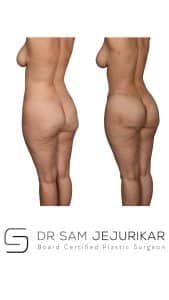
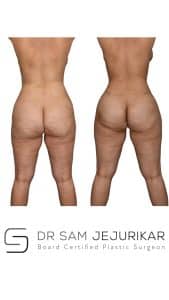
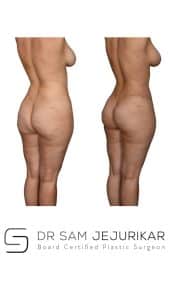
  3. Multi-vector Tightening: I commonly combine the Thong Lift with an extended tummy tuck (as pictured) to tighten the buttock and hips in multiple directions for enhanced contour and symmetry.
  4. Minimizing Trauma: Advanced surgical techniques, including cautery under direct visualization, reduce bleeding and trauma to surrounding tissues.
  5. Closure: All sutures are placed below the skin to optimize scar quality. The incision is sealed with surgical glue, ensuring protection during the initial healing phase.

Post-Surgical Care

Recovery from the Thong Lift is designed to be straightforward and comfortable:

  • Incision Care: Sutures are internal, and the incision is sealed with surgical glue, requiring no special care. Patients can shower 72 hours after surgery but must avoid submerging in a bathtub for 3 weeks.
  • Garments: A soft compression garment is provided to support healing and maintain results. This garment is typically worn for the first 1-2 weeks.
  • Hygiene: Patients are encouraged to use baby wipes for cleaning to maintain hygiene while minimizing discomfort.
  • Pain and Bowel Management: Long-acting local anesthetics are used during surgery, providing up to 48 hours of pain relief. Patients are also advised to use stool softeners to prevent straining during recovery.

Recovery Process

Patients undergoing the Thong Lift can expect the following timeline:

  • Daily Activities: Most patients can resume showering, light walking, and other low-impact activities within 3-5 days.
  • Work: Patients can return to desk jobs within a week.
  • Exercise: Strenuous activities like weight training or running can begin at 6 weeks.

I often conceive of the Thong Lift as a facelift for the buttocks. The incision is hidden in natural skin creases, and the skin is pulled up and inward tightly to create a lifted and rejuvenated appearance.


Procedure Customization

Every patient is unique, and the Thong Lift can be tailored to meet individual goals:

  • Extent of Tightening: Adjustments can be made based on the degree of skin laxity and desired lift.
  • Combining Procedures: For patients seeking more comprehensive results, the Thong Lift can be combined with liposuction or fat transfer to enhance overall body contours.

Schedule Your Thong Lift Consultation With Dr. Sam Jejurikar

Dallas plastic surgeon Dr. Sam Jejurikar, a board-certified expert at the renowned Dallas Plastic Surgery Institute, welcomes the opportunity to discuss your aesthetic goals. To schedule a consultation:

  • Call Dr. Jejurikar’s office at 214-827-2814.
  • Send an email through the website.
  • Online consultations are also available for your convenience.

Dr. Jejurikar and his team in Dallas look forward to helping you achieve the transformative results you’ve been dreaming of with the Thong Lift!

Contact

Contact

Our Location Dallas Plastic Surgery Institute

9101 N. Central Expwy.
Suite 600, Dallas, TX 75231
Tel: 214-827-2814
Dallas | Dr. Jejurikar

Stay Connected

Ready to get started?
Request a Consult