Johnson and Johnson stops making Evolence

Johnson and Johnson stops making Evolence

This story is taken from the Wall Street Journal

A Johnson & Johnson (JNJ) unit has decided to stop making and selling a product called Evolence, used to fill facial lines in cosmetic procedures.

Ortho Dermatologics, a division of J&J’s Ortho-McNeil-Janssen Pharmaceuticals, has a note on its Web site regarding the withdrawal, which it said was announced on Tuesday. The company confirmed the move in a statement.

The Evolence halt is part of an effort “to refine strategic priorities and focus investment on other growth opportunities,” Ortho Dermatologics said.

Many options for future management were explored before this decision was made, the company said. It added that patients and medical professionals can be assured that Evolence “remains effective for the correction of moderate to deep wrinkles and folds with a favorable safety profile.”

The facial filler gained approval from the U.S. Food and Drug Administration in June 2008, but it has been available in certain international markets since 2004. The U.S. arrival coincided with a rough time in the market for cosmetic medical products, which usually are not covered by insurers and came under pressure due to the recession.

J&J announced on Tuesday that it plans to lay off as many as 8,200 workers worldwide as part of a plan to save up to $1.7 billion in 2011.

-By Jon Kamp, Dow Jones Newswires

Wide Awake Liposuction is now offered by Dr. Jejurikar – Board Certified Plastic Surgeon

Awake Liposuction

Wide-awake liposuction is one of the newest trends in body sculpting surgery.  Dr. Jejurikar can perform liposuction on selected areas of the body without his patients needing general anesthesia. Not only does this lower the costs, but it avoids some of the side effects traditionally associated with general anesthetic agents.  The procedure is performed at EpiCentre Park Lane (Dallas) as well as at EpiCentre Legacy (Plano).

Technique

Dr. Jejurikar utilizes vibroliposuction for wide awake liposuction. In this system, which was invented in Beligum and is now used extensively in Europe, Asia and South America, the liposuction cannula is activated by air pressure, producing a complex movement of the tip. The complex cannula movement allows local anesthetic to infiltrate more evenly in the patient’s fatty tissue, creating less patient discomfort. In addition, the cannula movement causes emulsification of the patient’s fat, allowing for quicker and more uniform fat removal.  In addition, this technique promotes much less post-procedure swelling and bruising.

Recovery and Results

After wide-awake liposuction, patients may experience mild swelling, bruising and discomfort in the treated area. Compression garments or elastic bandages may be used to help reduce these symptoms while the area heals. Patients usually can return to work in one or two days. Exercise and other strenuous activities should be avoided for two weeks.

Call 214-827-2814 to arrange a comprehensive consultation for body contouring surgery

Lifestyle Lift agrees to pay $300,000 to settle fraud claims

How to ensure that your cosmetic surgeon is a board certified plastic surgeon

In the current health care climate of diminishing reimbursements, more and more physicians are performing cosmetic surgery treatments and procedures.  Unfortunately, many of these physicians are not plastic surgeons and have not undergone the same rigorous training as board-certified plastic surgeons.  All patients should take certain steps prior to scheduling a consultation to ensure that their physician has the highest qualifications to perform cosmetic surgery.
  • Ask if the doctor is a member of the American Society of Plastic Surgeons (ASPS).  Membership in the ASPS ensures that the doctor is certified by the American Board of Plastic Surgery and meets requirements for ongoing continuing medical education.
  • Confirm that the doctor is certified by the American Board of Plastic Surgery.  Merely hearing that a doctor is board certified does not indicate which board has certified that doctor.  There is only one board, the American Board of Plastic Surgery, that is recognized by the American Board of Medical Specialties to certify surgeons in the field of plastic surgery.
  • Find out more about the surgeon’s specific hospital privileges.  Although some procedures are commonly performed in an office or ambulatory surgical center, it is important to learn whether the surgeon has the same privileges in an accredited hospital.  Hospital credentialing committees carefully evaluate a surgeon’s training and competency for specific procedures.  If a surgeon performs a procedure in an office or surgical center, but does not have privileges to perform the same procedure in a hospital, it may be because he was deemed unqualified to perform that procedure.

Taking these steps before scheduling a consultation with a cosmetic surgeon will ensure that you find a plastic surgeon with the highest qualifications.

The Hidden Dangers of Smoking Before Cosmetic Surgery

Many patients have asked if they can continue smoking up until their cosmetic surgery. The procedures most often in question are breast lifts (with or without implants), breast reductions, tummy tucks, and facelifts. Simply put, smoking and these surgeries can be recipes for disaster. Tobacco, nicotine, and carbon monoxide—key components of cigarettes—are proven to impede wound healing, making the stakes incredibly high for patients who smoke. Let’s delve into the risks and evidence, emphasizing why quitting smoking before surgery is not just advisable but crucial.

How Smoking Impairs Wound Healing

Smoking significantly affects the body’s ability to heal wounds. Nicotine constricts blood vessels, reducing blood flow to tissues. Carbon monoxide decreases oxygen levels in the blood, while tobacco’s toxic chemicals damage collagen and elastin, which are essential for skin strength and elasticity. Together, these factors severely impair the body’s capacity to recover after surgery.

In surgeries that involve lifting and tightening large amounts of skin, such as tummy tucks or facelifts, reduced blood flow can result in serious complications:

  • Skin necrosis: A condition where the skin literally dies due to insufficient blood supply.
  • Delayed wound healing: Prolonged recovery time increases the risk of infection and other complications.
  • Dehiscence: This occurs when a wound reopens after being surgically closed, exposing underlying tissues.
  • Infection: Poor oxygenation compromises the immune response, making smokers more susceptible to post-operative infections.

High-Risk Procedures for Smokers

Some cosmetic procedures pose greater risks for smokers due to the extensive skin manipulation involved. Here are examples of surgeries where smoking can have disastrous effects:

1. Facelifts (Rhytidectomy)

Facelifts involve tightening the skin and underlying tissues of the face to achieve a more youthful appearance. The skin’s blood supply is already reduced during this procedure due to the surgical lifting of the tissues. Smoking compounds this reduction, greatly increasing the risk of skin necrosis, especially around the incisions near the ears. Smokers are more likely to experience prolonged bruising, hematomas, and suboptimal scarring after facelifts.

2. Tummy Tucks (Abdominoplasty)

Tummy tucks involve removing excess skin and tightening abdominal muscles. This procedure disrupts a significant amount of blood supply to the abdominal skin, leaving it reliant on a network of smaller vessels to heal. Smokers face an elevated risk of wound dehiscence, infection, and skin necrosis. In extreme cases, large portions of the abdominal skin can turn black and die, requiring additional surgeries to address.

3. Breast Lifts and Reductions

Both breast lifts and reductions involve reshaping and lifting breast tissue while removing excess skin. Smoking dramatically increases the chances of nipple necrosis, where the nipple and surrounding areola lose blood supply and die. This catastrophic outcome often requires further reconstruction surgeries and can leave devastating scars.

4. Laser Skin Treatments

Even minimally invasive treatments like laser resurfacing can be affected by smoking. Smoking impairs the skin’s ability to regenerate and heal after laser treatments, leading to prolonged redness, irritation, and subpar results.

Evidence Supporting the Risks

Multiple studies have documented the dangers of smoking in surgical patients:

Procedures Considered Safer for Smokers

Certain cosmetic procedures are considered somewhat safer for smokers, as they involve less extensive skin manipulation. These include:

  • Rhinoplasty: The reshaping of the nose typically doesn’t require significant skin lifting.
  • Liposuction: While it removes fat, it does not heavily impact the skin’s blood supply.
  • Breast Augmentation: Implant placement involves less disruption to the skin’s vascularity.

Even so, smokers undergoing these surgeries are still at a higher risk of complications compared to non-smokers. Surgeons often provide strong warnings and disclaimers to ensure patients understand the risks.

Why Quitting Smoking is Critical

Because cosmetic surgery is elective, the goal is to minimize all potential risks. Quitting smoking even two to four weeks before surgery can significantly improve outcomes. Here’s how:

  • Improved oxygenation: Increased oxygen levels enhance wound healing and immune function.
  • Better blood flow: Nicotine-free blood vessels are more effective at delivering nutrients and removing waste from tissues.
  • Reduced inflammation: Smoking cessation lowers systemic inflammation, which supports overall recovery.

Surgeons may also recommend quitting all nicotine products, including vaping and nicotine replacement therapies, as these can have similar effects on blood flow.

Conclusion: Choose Health Over Habit

The risks of smoking before cosmetic surgery are too significant to ignore. From facelifts to tummy tucks, the combination of smoking and extensive skin manipulation can lead to devastating complications, including skin necrosis, delayed healing, and infection. For those considering elective procedures, quitting smoking is not merely a recommendation but a vital step to ensure a safer surgery and optimal results.

If you’re planning cosmetic surgery and currently smoke, talk to your surgeon about strategies to quit. Your health, safety, and aesthetic outcomes depend on it.

How to Choose the Optimal Breast Implant Size

Many of my patients ask how I choose the optimal size for a breast implant. Some women are very concerned about choosing too large of an implant, as they know this can make their breasts look unnatural. Other women worry that they won’t choose a large enough implant to see a discernible difference. To address these concerns, I use a variety of tools and techniques to help my patients select the best breast implant size:

Photos

Having patients bring photos of breasts they like and breasts they dislike helps me determine their goals. Visual references are invaluable in understanding each patient’s aesthetic preferences. Some women desire subtle enhancement, while others want a much more dramatic enlargement. By reviewing these photos together, I can better tailor my recommendations to their vision.

Measurements

Accurate measurements of the chest wall diameter, breast width, and breast height are crucial. These factors ensure the implant fits the patient’s anatomy. The breast skin envelope has natural limits; selecting an implant that is too large can cause it to sit too high, too low, or too far to the sides, resulting in an unnatural appearance. Taking precise measurements allows us to avoid these pitfalls and achieve balanced, proportionate results.

Trial Sizing

In-office trial sizing is a less valuable tool, having being largely replaced by 3D imaging. Although not an exact science, trying on different implants in a bra provides patients with a rough idea of how their new breasts might look in clothing. This exercise often sparks important conversations about their goals and helps patients feel more confident about their choices.

Conversation

Every implant has unique characteristics, including shape and profile, which significantly impact the final result. For example, a high-profile implant creates a different appearance compared to a moderate-profile implant, even if they are the same volume. Through open and thorough conversations during the preoperative consultation, I ensure that patients understand these differences and how they align with their desired outcomes.

3D Imaging with Crisalix

One of the most exciting advancements in breast augmentation planning is the use of 3D imaging technology like Crisalix. This powerful tool allows patients to visualize their potential results in real time. By uploading images of their body, Crisalix creates a virtual simulation of how different implant sizes and shapes would look on them. This technology takes much of the guesswork out of the decision-making process and provides patients with a clearer idea of their future appearance, helping them feel more confident in their choice. To schedule a 3D breast augmentation consultation using 3D imaging, begin the process by clicking here.

Intraoperative Sizing

Even with careful preoperative planning, intraoperative sizing plays a vital role. During surgery, I often use trial implants and sit the patient up to evaluate the breasts from multiple angles. This step is especially important for patients with breast asymmetry, as it allows me to make real-time adjustments to achieve the best possible symmetry and aesthetic result.

Combining Tools for the Best Outcome

Each of these tools serves a unique purpose, and together, they provide a comprehensive approach to selecting the optimal breast implant size. My goal is always to create results that are both beautiful and in harmony with the patient’s body. By combining measurements, imaging, trial sizing, and conversation, I can help patients achieve the look they’ve always wanted with confidence.


Breast Implant Profiles and its impact on natural versus round results

Almost all patients have several questions about the meaning of breast implant profiles.  Patients have seen pictures on the Internet of patients with breast augmentation results they liked and wanted the same style implants as in the pictures.  These patients had a limited understanding as to what breast implant profile refers, prompting this blog entry.

The naming for implant profiles predominantly refers to smooth, round implants, which are the most common type of implants used for cosmetic breast augmentation.  The profile of the implant has nothing to do with the fill of an implant, with the vast majority of implants placed these days being cohesive silicone gel implants, otherwise known as “gummy bear” implants. The two major breast implant manufactures have different names for their implants.  Allergan refers to its implants as low, low plus, moderate, full and high profile.  Sientra has similar names, but also has a moderate profile plus implant, which is between its moderate and high profile implants. Motiva sticks with the same principles, but gets fancier with its names, referring to the implant profiles in the United States as mini, demi and full. In Europe, they offer an additional profile, Corse, which is the equivalent of an extra high profile implant.

The profile of an implant equates to the projection of that implant.  For a given volume, the higher the profile, the fatter and narrower an implant is.  As a result, higher profile implants tend to provide more fullness and a rounder appearance to the upper portions of the breast.  Higher profile implants tend to be really useful in women with relatively narrow breasts who want significant enlargement of the breasts; in these women, if a low or moderate profile implant were selected, to achieve the desired volume may entail the implant riding into the underarm region.  In contrast, a patient with a wider build or wider breasts may find that high profile implants may fail to adequately fill their entire breast; they often times benefit from implants with lesser projection.  Higher profile implants also tend to be useful in women who desire a small breast lift without the incisions associated with a formal lift.

In recent years, there has been a notable shift in the preferences of patients seeking breast augmentation, with increasing interest in low-profile and low-profile-plus breast implants. These implants are characterized by a wider base diameter and less projection compared to high-profile implants. This design creates a more natural, subtle enhancement that aligns with the growing trend toward understated aesthetics. Many patients are prioritizing proportionate results that complement their natural body contours rather than opting for the more pronounced, rounder look traditionally associated with higher-profile implants.

The appeal of low-profile implants is also influenced by their suitability for specific body types. Women with broader chest walls often find that low-profile implants provide a harmonious fit that enhances their shape without looking artificial or out of proportion. Additionally, these implants are often favored by patients who wish to restore volume after pregnancy or weight loss while maintaining a soft, natural slope to the breast. As societal beauty standards continue to evolve, the demand for implants that achieve balanced, subtle results is expected to grow, making low-profile and low-profile-plus implants a significant choice in modern breast augmentation procedures.


Working Toward Painless Treatments with Injectable Fillers

Treatments with injectable fillers, such as Juvederm, Restylane, Radiesse, and Sculptra, not to mention others, can restore a youthful appearance to the lips, nasolabial folds, marionette lines, midface, jowls and lower eyelids, with minimal to no downtime.  Many patients avoid these treatments, though, because they have heard horror stories from friends or colleagues about the pain associated with these treatments.  Suffice it to say, this needn’t be the case – there are steps your plastic surgeon can take to make these treatments more comfortable.

Recently, BioForm Medical, Inc., makers of Radiesse, received approval from the Food and Drug Administration to mix the filler with lidocaine, an injectable local anesthetic, prior to injection into the skin.  This approval was based on a large study of patients, in which 100% of patients reported feeling less pain when Radiesse was pre-mixed with lidocaine.  Many plastic surgeons, including me, have begun to pre-mix lidocaine with all fillers, including Juvederm, Restylane, and Evolence, not to mention Radiesse, prior to injecting into patients.  The results of treatment are still great, but patients are significantly more comfortable during treatment.

Others things your plastic surgeon can do to make your treatment with injectable fillers more comfortable include:
•    Using topical anesthetic gel for at least 30 minutes prior to commencing any injections.
•    Augmenting treatment with topical anesthetic gel with injections of local anesthetic into nerves above and below the lips.
•    Using small gauge needles and slow injection techniques

Combining all of these treatments can ensure that you’ll not only look great after your treatment with injectable fillers, but you’ll feel pretty great during the treatment too!

Understanding the Risks Associated with Breast Implants

Understanding the Risks Associated with Breast Implants

Breast implants are a popular option for enhancing breast size and shape, but like any medical procedure, they come with risks. These risks can range from mild to severe, depending on individual circumstances, implant type, and surgical technique. Here, we break down the potential complications and discuss differences among textured and smooth implants as well as saline, silicone, and Motiva implants.

Mild Risks

  1. Pain and Discomfort:
    • Some patients may experience mild pain or tightness in the chest following surgery. This usually subsides within a few weeks as the body adjusts. (Occurs in approximately 20-30% of patients)
  2. Swelling and Bruising:
    • Swelling and bruising around the surgical site are common and typically resolve over time. (Occurs in up to 50% of patients post-surgery)
  3. Changes in Sensation:
    • Temporary changes in nipple or breast sensation, such as numbness or heightened sensitivity, can occur. (Reported in 10-15% of patients)

Moderate Risks

  1. Capsular Contracture:
    • This occurs when scar tissue around the implant tightens, causing the breast to feel firm or appear distorted. It may require revision surgery. (Affects approximately 10-15% of patients)
  2. Rupture or Leakage:
    • Saline implants may deflate if ruptured, while silicone implants may require imaging to detect silent ruptures. (Rupture rates range from 1-5% over 10 years)
  3. Infection:
    • Infections around the implant site can occur, potentially requiring antibiotics or implant removal. (Occurs in 1-2% of cases)
  4. Seroma Formation:
    • Fluid accumulation around the implant may lead to swelling and discomfort. This may require drainage. (Reported in 2-5% of patients)

Severe Risks

  1. Breast Implant-Associated Anaplastic Large Cell Lymphoma (BIA-ALCL):
    • A rare but serious cancer of the immune system linked to textured implants. (Estimated at 1 in 2,200 to 1 in 86,000 for textured implants)
  2. Breast Implant Illness (BII):
    • A collection of systemic symptoms, such as fatigue, brain fog, and joint pain, reported by some patients. While not officially recognized as a medical condition, it has gained attention in recent years. (Prevalence unclear, but widely discussed in patient communities)
  3. Severe Implant Rupture Complications:
  • In rare cases, implant rupture can lead to significant pain and the need for immediate surgical intervention. (Rupture rates are low, with significant complications being exceedingly rare)

Textured vs. Smooth Implants

  • Textured Implants:
    • Pros: Reduced risk of capsular contracture and better adherence to tissue, which helps them stay in place.
    • Cons: Higher association with BIA-ALCL and slightly rougher feel.
    • Risk of BIA-ALCL: Approximately 1 in 2,200 to 1 in 86,000, depending on the manufacturer and type.
  • Smooth Implants:
    • Pros: More natural feel and lower risk of BIA-ALCL.
    • Cons: Higher likelihood of shifting position over time and potentially increased capsular contracture risk.

Saline vs. Silicone vs. Motiva Implants

  • Saline Implants:
    • Pros: Filled with sterile saltwater, easily detectable leaks, and lower surgical costs.
    • Cons: Firmer feel and higher likelihood of rippling. (Rippling reported in up to 10-15% of cases)
  • Silicone Implants:
    • Pros: More natural feel and appearance. Silicone gel maintains shape better in case of rupture.
    • Cons: Requires regular monitoring (e.g., MRI) to detect silent ruptures and higher initial cost. (Silent rupture rates estimated at 1-2% per year)
  • Motiva Implants:
    • Pros: Advanced technology with a natural feel, lower capsular contracture risk, and innovative safety features like microchip tracking.
    • Cons: Limited availability and higher cost compared to traditional silicone and saline implants. (Capsular contracture rates as low as 1-2%)

Conclusion

Understanding the risks associated with breast implants and the differences among implant types is crucial for making an informed decision. Patients should discuss their goals, medical history, and concerns with their surgeon to determine the best option for their needs. While risks exist, choosing an experienced surgeon and following post-operative care instructions can significantly improve outcomes and minimize complications.

The Differences Between Silicone and Saline Implants: Understanding Your Options

The Differences Between Silicone and Saline Implants: Understanding Your Options

When considering breast augmentation, choosing the right type of implant is one of the most important decisions you’ll make. While saline and silicone implants have both been widely used for decades, advances in silicone implant technology have made them the more popular choice among patients and surgeons today. In this blog, we’ll explore the differences between saline and silicone implants, discuss the decline in popularity of saline implants, and highlight the innovations in silicone implants, including gummy bear implants and the latest Motiva implants.


Silicone vs. Saline Implants: What’s the Difference?

Breast implants are classified based on their filling material: silicone gel or sterile saline (saltwater). Here’s how they differ:

Silicone Implants

  • Composition: Filled with cohesive silicone gel that mimics the feel of natural breast tissue.
  • Look and Feel: Silicone implants are often preferred for their more natural appearance and softer texture.
  • Durability: Modern silicone implants are highly durable and designed to hold their shape even if the outer shell is compromised.
  • Detection of Ruptures: Silicone implant ruptures are considered “silent,” as the gel typically remains within the implant shell or surrounding tissue. Routine imaging (e.g., MRI or ultrasound) is recommended to detect issues.

Saline Implants

  • Composition: Filled with sterile saltwater after being inserted into the breast pocket.
  • Look and Feel: Saline implants tend to feel firmer and may create a less natural look, especially in patients with thinner breast tissue.
  • Detection of Ruptures: If a saline implant ruptures, the saltwater is harmlessly absorbed by the body, and the deflation is immediately noticeable.
  • Customization: Saline implants allow for adjustments in size during surgery since they’re filled after placement.

Why Has Saline Lost Popularity?

Although saline implants were once the go-to choice for breast augmentation, their popularity has significantly declined for several reasons:

  1. Less Natural Appearance and Feel: Saline implants are more prone to visible rippling and tend to feel firmer, which can detract from a natural look, particularly in patients with less natural breast tissue.
  2. Advances in Silicone Technology: Modern silicone implants, particularly gummy bear implants, provide superior aesthetics and a more lifelike feel, making them the preferred option for most patients and surgeons.
  3. Higher Capsular Contracture Rates: Capsular contracture, a condition where scar tissue tightens around the implant, is more common with saline implants. Studies estimate capsular contracture rates for saline implants at approximately 10–15% within the first few years after surgery.

The Evolution of Silicone Implants: Gummy Bear and Motiva Implants

The latest advancements in silicone implant technology have revolutionized breast augmentation, offering options that are safer, more durable, and more natural-looking than ever before.

Gummy Bear Implants (Including Allergan Soft Touch)

  • What Are They? Gummy bear implants are made with a highly cohesive silicone gel that maintains its shape, even if the implant shell is compromised. Allergan Soft Touch implants are a popular option within this category.
  • Capsular Contracture Rates: Allergan Soft Touch implants have shown capsular contracture rates of approximately 5–8%, significantly lower than saline implants.
  • Benefits: These implants provide a natural teardrop shape, softer feel, and reduced risk of complications such as rippling or leakage.

Motiva Implants

  • What Are They? Motiva implants represent the next generation of silicone implants, offering state-of-the-art technology for enhanced safety, aesthetics, and patient satisfaction.
  • Capsular Contracture Rates: Motiva implants boast some of the lowest capsular contracture rates in the industry, with studies reporting rates of 1–2% in primary augmentations.
  • Key Features:
    • ProgressiveGel: Provides a soft yet stable feel for a natural look and texture.
    • SilkSurface™ NanoTexture: Reduces the risk of complications like capsular contracture while maintaining implant integrity.
    • Ergonomix™ Shape: These implants adjust naturally to body movement, mimicking the look and feel of natural breast tissue.
    • Smart Technology: Some Motiva implants include an integrated microchip for non-invasive identification and tracking, providing peace of mind for both patients and surgeons.

Which Implant Is Right for You?

Choosing between saline and silicone implants—or even selecting among the various types of silicone implants—depends on your unique anatomy, aesthetic goals, and lifestyle. During your consultation, your surgeon will evaluate factors such as:

  • Your natural breast tissue and body type.
  • Desired breast size and shape.
  • Long-term maintenance and imaging preferences.
  • Concerns about implant texture, durability, and safety.

Final Thoughts

The advancements in silicone implants, such as gummy bear and Motiva implants, have made them the leading choice for patients seeking natural-looking, long-lasting results. While saline implants are still an option, their diminished popularity reflects the growing demand for the superior aesthetics and feel that modern silicone implants provide.

If you’re considering breast augmentation, consult with Dallas’ best plastic surgeon, Dr. Jejurikar, to explore your options and find the implant that best suits your needs. With extensive experience and access to the latest innovations in breast surgery, Dr. Jejurikar can help you achieve your ideal results.

Schedule your consultation today to take the first step toward the look you’ve always wanted!

Contact

Contact

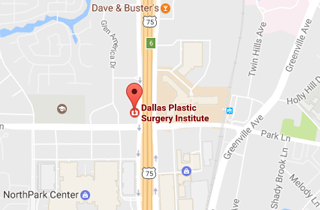
Our Location Dallas Plastic Surgery Institute

9101 N. Central Expwy.
Suite 600, Dallas, TX 75231
Tel: 214-827-2814
Dallas | Dr. Jejurikar

Stay Connected

Ready to get started?
Request a Consult