The Benefits of Rapamycin and NAD+ on Wellness: Aesthetic and Health Synergies with Dr. Sam Jejurikar and Dallas Plastic Surgery Institute

The Benefits of Rapamycin and NAD+ on Wellness: Aesthetic and Health Synergies with Dr. Sam Jejurikar and Dallas Plastic Surgery Institute

In recent years, the focus on looking and feeling younger has expanded beyond skincare and cosmetic procedures. There is growing interest in scientific breakthroughs that promote both longevity and vitality. Two exciting advancements in this area are rapamycin and nicotinamide adenine dinucleotide (NAD+), which have demonstrated the potential to enhance cellular health and slow down aging. For patients exploring aesthetic procedures, these compounds offer a unique opportunity to integrate wellness into their beauty journey, fostering both external and internal rejuvenation.

However, it is essential to note that these compounds are not FDA-approved for anti-aging or aesthetic purposes. Their use in this context is considered off-label, and patients should always consult with a qualified healthcare provider before starting any new regimen.


What Are Rapamycin and NAD+?

Aging is a complex process that affects every cell in the body, leading to visible signs such as wrinkles and sagging skin as well as internal changes like slower metabolism and reduced energy. Rapamycin and NAD+ tackle these challenges in complementary ways. Rapamycin works by targeting the mTOR pathway, which regulates cell growth and repair. By modulating this pathway, it helps cells clean up and recycle damaged components, improving their overall function. NAD+, on the other hand, is a crucial molecule for energy production and DNA repair. It supports processes that keep cells youthful and resilient, such as activating proteins called sirtuins that help fight cellular stress.

The Discovery and Early Uses of Rapamycin

Rapamycin was originally discovered in the soil of Easter Island (also known as Rapa Nui) in the 1970s. Initially developed as an antifungal agent, it was later found to have immunosuppressive properties and became a cornerstone drug for preventing organ transplant rejection. More recently, scientists have uncovered its potential role in longevity by studying its effects on the mTOR pathway, a key regulator of aging and cellular repair.

Longevity Studies

Rapamycin’s effects on lifespan have been extensively studied in animals. In mice, rapamycin has consistently shown the ability to extend lifespan, particularly when administered later in life. It also delays the onset of age-related diseases, such as neurodegeneration, cardiovascular issues, and cancer. While human trials are still limited, early research suggests promising benefits in enhancing immune function and reducing markers of aging.

NAD+ has also been the subject of longevity research. Studies indicate that boosting NAD+ levels can improve mitochondrial function, reduce DNA damage, and enhance overall cellular health. In animal models, NAD+ precursors like NMN have been shown to extend lifespan and improve physical performance in older subjects. These findings have sparked interest in their potential application to human aging.


How Do These Compounds Enhance Wellness and Aesthetics?

For plastic surgery patients, the goal is often to look as vibrant on the outside as they feel on the inside. Rapamycin and NAD+ align beautifully with this vision by addressing aging at its root. By improving cellular health, they can amplify the results of cosmetic procedures while promoting overall wellness.

Supporting Skin Health

Healthy, youthful skin isn’t just about external treatments. Rapamycin enhances the body’s natural ability to repair skin by promoting autophagy, a process where cells remove damaged components and regenerate. This leads to improved skin elasticity, reduced inflammation, and better healing after surgeries or non-surgical treatments. NAD+, meanwhile, energizes skin cells and helps them recover from daily environmental damage, such as UV exposure and pollution. The result? A radiant, glowing complexion that complements aesthetic enhancements.

Enhancing Recovery After Surgery

Post-operative recovery is a critical phase for anyone undergoing plastic surgery. Rapamycin’s anti-inflammatory properties can help reduce swelling and promote faster healing, while NAD+ boosts energy production, ensuring that cells have the fuel they need to repair tissues efficiently. Together, these compounds may lead to shorter recovery times and improved outcomes, allowing patients to enjoy their results sooner.

Combating Aging From Within

The visible signs of aging—such as wrinkles, volume loss, and sagging—are often symptoms of deeper cellular changes. Rapamycin and NAD+ work to address these changes at their source. By improving mitochondrial function (the powerhouse of the cell) and reducing chronic inflammation, they help slow down the aging process. This means patients can maintain their youthful results longer, whether they’ve opted for a facelift, skin resurfacing, or body contouring.


Practical Use: How Are These Compounds Taken?

For patients considering rapamycin or NAD+, understanding how they are used is essential. Rapamycin is typically taken orally in low doses once a week to maximize its benefits while minimizing potential side effects. NAD+ levels, on the other hand, can be boosted through supplements like nicotinamide riboside (NR) or nicotinamide mononucleotide (NMN), as well as through NAD+ infusions or injections for a more immediate effect. These interventions are most effective when tailored to the individual, so consulting with a healthcare professional is key.


Are There Side Effects?

Like any treatment, rapamycin and NAD+ have potential side effects, but they are generally well-tolerated when used appropriately. Rapamycin may cause mild issues such as mouth ulcers or elevated cholesterol levels, and its immune-modulating effects require careful dosing to avoid increasing susceptibility to infections. NAD+ supplements, meanwhile, can occasionally cause transient flushing or mild digestive upset. Working closely with a physician ensures these risks are managed effectively.


The Intersection of Aesthetics and Wellness

Incorporating rapamycin and NAD+ into an aesthetic practice highlights the growing emphasis on holistic beauty. Looking youthful isn’t just about external appearance; it’s also about feeling energetic, vibrant, and healthy. By targeting the cellular causes of aging, these compounds offer a powerful way to support the transformative effects of cosmetic procedures. For patients, this means achieving not only their desired look but also a renewed sense of vitality that shines through.


Conclusion

The integration of rapamycin and NAD+ into wellness routines represents a new frontier in aesthetics and longevity. By enhancing cellular health, these compounds complement surgical and non-surgical treatments, allowing patients to enjoy lasting results and improved overall well-being. While their use for anti-aging and aesthetic purposes is not FDA-approved, ongoing research underscores their potential to revolutionize how we approach beauty and wellness.

At our practice, we have seen a significant demand for these wellness-focused services. Our patients are not just interested in achieving aesthetic goals; they are deeply committed to extending their healthspan and enhancing their quality of life. By offering innovative solutions like rapamycin and NAD+, we help patients achieve a balanced approach to beauty and vitality. If you’re interested in exploring how these therapies could support your aesthetic and wellness goals, reach out to us to learn more about personalized treatment options. Rejuvenation is no longer just skin deep—it starts at the cellular level.

Five Best Things You Can Do to Prepare for Your Facelift Surgery

A facelift is one of the best plastic surgery procedures to enhance your appearance and restore a more youthful look. However, the success of your surgery depends not only on the expertise of your plastic surgeon but also on how well you prepare beforehand. Here are the five best things you can do to ensure your facelift journey is smooth, stress-free, and delivers optimal results.


1. Optimize Your Skin Care Routine

Healthy skin heals faster and better, which is why starting a solid skincare routine well in advance of your facelift is crucial.

  • Hydration: Keep your skin well-moisturized to improve elasticity and reduce dryness.
  • Exfoliation: Use gentle exfoliants to remove dead skin cells and keep your complexion smooth.
  • Sun Protection: Avoid excessive sun exposure and wear a broad-spectrum sunscreen daily. Sun-damaged skin can negatively impact healing and scar formation.
  • Medical-Grade Products: Consult your plastic surgeon or dermatologist about incorporating medical-grade skincare products like retinoids or antioxidants to enhance your skin’s health.

Starting this routine at least 6–8 weeks before surgery can significantly improve your skin’s ability to recover, which is crucial for achieving the best results after your facelift.


2. Give Yourself Plenty of Time to Recover

Recovery is an essential part of the facelift process. Allowing yourself adequate downtime is vital to ensure proper healing and avoid unnecessary stress.

  • Plan Time Off: Take at least 2–3 weeks off work or other responsibilities. While most patients feel presentable within this time, full healing can take several months.
  • Set Up a Recovery Zone: Prepare a comfortable space at home with pillows, blankets, and easy access to water, healthy snacks, and entertainment.
  • Delegate Responsibilities: Arrange for someone to help with errands, childcare, or household tasks during the initial recovery period.

Remember, giving yourself plenty of time to recover is one of the best ways to ensure your facelift results look their best and that you heal comfortably.


3. Stop Smoking and Avoid Alcohol

Smoking and alcohol can negatively affect your body’s ability to heal by impairing circulation and increasing inflammation, which can compromise the results of your plastic surgery.

  • Quit Smoking: Nicotine restricts blood flow, which can delay healing and increase the risk of complications. Stop smoking at least 4–6 weeks before and after surgery.
  • Limit Alcohol: Alcohol can dehydrate your body and thin your blood, increasing the risk of bruising. Avoid alcohol for at least a week before surgery and during the initial recovery period.

Following these guidelines will help optimize your recovery and ensure you achieve the best possible results from your facelift.


4. Follow a Healthy Diet and Stay Active

A well-balanced diet and light exercise can prepare your body for surgery and recovery, setting the stage for the best facelift results.

  • Focus on Nutrition: Eat a diet rich in lean proteins, fruits, vegetables, and whole grains to support tissue repair and overall health.
  • Stay Hydrated: Drink plenty of water in the weeks leading up to your procedure.
  • Light Exercise: Engage in regular, non-strenuous physical activity to improve circulation and boost your immune system. Avoid intense workouts in the final week before surgery to prevent fatigue.

Good nutrition and fitness habits will support your body’s healing process, ensuring you’re in the best shape for recovery.


5. Communicate Openly with Your Surgeon

A clear line of communication with your plastic surgeon is one of the best ways to prepare for a successful facelift.

  • Share Your Medical History: Inform your surgeon about any medications, supplements, or medical conditions you have.
  • Discuss Expectations: Have an open conversation about what you hope to achieve with your facelift to ensure realistic outcomes. Bring photos of yourself from a time when you felt you looked your best to help your surgeon understand your aesthetic goals. This can be especially useful in aligning your expectations with the results of your plastic surgery.
  • Ask Questions: Don’t hesitate to ask about the procedure, recovery timeline, and potential risks.
  • Follow Preoperative Instructions: Adhere strictly to any guidelines provided, such as discontinuing certain medications or fasting before surgery.

Your surgeon is your partner in this process, so providing detailed information and engaging in clear communication is critical to achieving the best outcomes.


Final Thoughts

Preparing for your facelift surgery requires thoughtful planning and attention to detail. By optimizing your skincare routine, allowing adequate time for recovery, avoiding smoking and alcohol, focusing on nutrition and exercise, and maintaining open communication with your plastic surgeon, you can set yourself up for a smooth recovery and beautiful, natural-looking results.

Investing time in preparation not only ensures the best healing process but also helps you feel confident and at ease throughout the journey. With the proper planning and guidance, your facelift can deliver transformative results that help you look and feel your absolute best.


If you’re considering a facelift or want personalized advice on preparing for plastic surgery, schedule a consultation with us today. We’re here to guide you through every step of the process!

Common Complications After a Tummy Tuck and How to Prevent Them

A tummy tuck, or abdominoplasty, is a transformative procedure that can improve abdominal contours by removing excess skin and fat and tightening underlying muscles. While most patients achieve excellent results with proper care, like any surgery, tummy tucks carry potential risks and complications. Understanding these risks and how to prevent them is key to a smooth recovery and optimal results.


1. Seroma (Fluid Accumulation)

What is it?
A seroma is the accumulation of fluid under the skin, often near the incision site. This can cause swelling, discomfort, or a visible bulge.

How to Prevent It:

  • Wear Compression Garments: Properly fitted compression garments reduce fluid buildup and support the healing process.
  • Drain Management: If surgical drains are placed, follow Dr. Jejurikar’s instructions on how to care for and empty them.
  • Activity Restrictions: Avoid excessive physical activity during the initial recovery period to reduce fluid buildup.

2. Infection

What is it?
An infection can occur at the incision site or within the surgical area, leading to redness, warmth, swelling, and sometimes fever.

How to Prevent It:

  • Follow Wound Care Instructions: Keep your incision site clean and dry, and apply antibiotic ointment if recommended by Dr. Jejurikar.
  • Complete Antibiotics: Take any prescribed antibiotics as directed, even if you feel well.
  • Watch for Early Signs: Report any unusual symptoms, such as redness, discharge, or fever, to Dr. Jejurikar promptly.

3. Poor Wound Healing or Scarring

What is it?
Some patients may experience delayed healing or prominent scarring due to individual factors like smoking, poor nutrition, or tension on the incision site.

How to Prevent It:

  • Avoid Smoking: Smoking reduces blood flow to the skin, impairing healing and increasing the risk of complications.
  • Maintain Proper Nutrition: A diet rich in protein, vitamins, and minerals supports wound healing. Dr. Jejurikar may recommend aiming for at least 120 grams of protein daily.
  • Use Scar Care Products: Once approved by Dr. Jejurikar, use silicone sheets, gels, or creams to minimize scarring.

4. Blood Clots (Deep Vein Thrombosis)

What is it?
Blood clots can form in the legs after surgery and, in rare cases, travel to the lungs, causing a life-threatening condition called pulmonary embolism.

How to Prevent It:

  • Ambulate Early: Begin walking as soon as Dr. Jejurikar advises to improve circulation.
  • Use Preventative Medications: Dr. Jejurikar may prescribe blood thinners like Lovenox to reduce clot risk.
  • Wear Compression Stockings: These improve circulation in the legs during the recovery period.

5. Skin or Tissue Necrosis

What is it?
Necrosis refers to the death of skin or fat tissue, often due to reduced blood flow. It is more common in smokers or in patients with significant tissue removal.

How to Prevent It:

  • Avoid Smoking or Nicotine Products: These significantly impair blood flow to the surgical site.
  • Follow Surgical Instructions: Avoid activities that could compromise blood flow, such as tight clothing or excessive physical strain.
  • Consider Hyperbaric Oxygen Therapy: If recommended by Dr. Jejurikar, this therapy can enhance blood flow and support healing.

6. Numbness or Altered Sensation

What is it?
Temporary numbness around the incision or abdominal area is common due to nerve disruption during surgery. While this often resolves over time, some patients experience prolonged or permanent changes in sensation.

How to Prevent It:

  • Be Patient: Sensation typically returns gradually over several months.
  • Avoid Aggressive Movement: Protect the surgical area during healing to avoid nerve strain.

7. Hematoma (Blood Accumulation)

What is it?
A hematoma is a collection of blood under the skin, causing swelling and bruising.

How to Prevent It:

  • Monitor for Early Signs: Look for unusual swelling, discoloration, or pain.
  • Avoid Blood-Thinning Medications: Unless prescribed, avoid medications like aspirin or certain supplements that can increase bleeding risk.
  • Follow Dr. Jejurikar’s Guidelines: Avoid heavy lifting or straining during recovery.

8. Unsatisfactory Results or Contour Irregularities

What is it?
While rare, some patients may be unhappy with their results due to asymmetry or irregularities in contour.

How to Prevent It:

  • Choose an Experienced Surgeon: Dr. Jejurikar has extensive experience with tummy tucks and can provide before-and-after photos of similar cases.
  • Communicate Goals Clearly: Be upfront about your aesthetic goals during the consultation with Dr. Jejurikar.

General Tips for a Smooth Recovery:

  • Attend Follow-Up Appointments: Regular check-ins with Dr. Jejurikar allow for early detection and management of any issues.
  • Stay Hydrated: Proper hydration supports healing and overall health.
  • Listen to Your Body: Rest when you need to, and avoid overexertion during the recovery process.

Conclusion

Complications after a tummy tuck can often be prevented or minimized by carefully following Dr. Jejurikar’s instructions and adopting healthy habits before and after surgery. Choosing a board-certified plastic surgeon with extensive experience and maintaining open communication throughout your journey are essential steps in achieving safe and satisfying results.

If you’re considering a tummy tuck, schedule a consultation with Dr. Jejurikar to discuss your goals, potential risks, and how you can ensure the best possible outcome.

The Benefits of Financing Plastic Surgery: Making Your Dream Transformation Accessible

Plastic surgery can be life-changing, boosting your confidence and improving your quality of life. However, the cost of procedures can sometimes be a barrier. Financing options like PatientFi and CareCredit make it possible to move forward with your desired procedures without delaying due to upfront costs.

Let’s explore the benefits of financing plastic surgery and how these services can help make your goals a reality.


Why Finance Your Plastic Surgery?

Financing offers a practical solution for patients who want to manage the cost of their procedures over time rather than paying the entire amount upfront. Here are some key benefits:

  1. Affordability:
    Financing breaks the cost of surgery into manageable monthly payments, making it easier to fit into your budget.
  2. Immediate Access:
    You don’t have to wait months or years to save up. Financing allows you to enjoy the results of your procedure now while paying over time.
  3. Customized Payment Plans:
    Services like PatientFi and CareCredit offer flexible payment terms tailored to your financial needs, giving you control over how and when you pay.
  4. No Impact on Savings:
    Financing helps preserve your savings for emergencies or other priorities while still achieving your aesthetic goals.

PatientFi: Financing Designed for You

PatientFi is a patient-friendly financing option tailored to the needs of those pursuing elective medical procedures. Key features include:

  • Soft Credit Check: PatientFi provides prequalification with no impact on your credit score.
  • Flexible Payment Plans: Choose from various payment terms that fit your financial situation.
  • Low Interest Rates: Offers competitive rates for qualified borrowers.

Explore more about PatientFi financing and apply easily by visiting PatientFi’s official website.


CareCredit: A Trusted Financing Solution

CareCredit is a well-established financing option that covers a wide range of healthcare and aesthetic services, including plastic surgery. Its benefits include:

  • Special Financing Options: Many providers offer promotional financing terms, such as 0% interest if paid within a specified period.
  • Widespread Acceptance: CareCredit is accepted at a vast network of medical and aesthetic practices.
  • Flexible Terms: Choose a repayment plan that works for you, ranging from short-term to extended payments.

Learn more and apply for CareCredit by visiting CareCredit’s official website.


How Financing Can Transform Your Experience

Financing not only makes plastic surgery more accessible but also ensures you can pursue the best options for your needs without compromising on quality. Whether you’re considering a mommy makeover, facelift, or body contouring procedure, services like PatientFi and CareCredit allow you to achieve your goals on a timeline that works for you.


Ready to Start Your Journey?

If you’re considering plastic surgery and want to explore financing options, don’t hesitate to reach out to our office. We’re here to guide you through the process, answer any questions, and help you take the next step toward your transformation.

With PatientFi and CareCredit, achieving your dream look has never been easier!

How Does Fat Grafting Work?

Fat grafting, also known as fat transfer, is a procedure where a patient’s fat is harvested from one part of their body—usually areas like the abdomen, thighs, or flanks—and carefully injected into another area, such as the breasts, buttocks, face, or hands. This technique is popular because it uses the patient’s natural tissue, avoiding synthetic implants while offering dual benefits of fat reduction in one area and enhancement in another.

The process involves three primary steps:

  1. Harvesting Fat: Fat is removed via liposuction using a gentle, atraumatic technique to preserve fat cell viability.
  2. Processing the Fat: The harvested fat is purified to remove impurities such as blood, oil, and damaged cells. This step ensures that only healthy fat cells are used for transfer.
  3. Injecting the Fat: The purified fat is carefully injected into the target area using a specialized technique to optimize fat survival and achieve natural-looking results.

How the Body Incorporates Fat Grafts

After the fat is grafted into its new location, it relies on a critical mechanism: revascularization. This is the process by which blood vessels grow into the transferred fat cells to supply oxygen and nutrients. Successful revascularization ensures that the fat survives and integrates into the surrounding tissue. However, not all transferred fat survives; typically, about 50-70% of the grafted fat survives long-term, depending on the technique and patient factors.

Key factors for graft survival include:

  • Adequate Blood Supply: Fat cells must quickly develop a blood supply to survive.
  • Minimized Trauma: Gentle handling during fat harvesting, processing, and injection is essential to protect cell viability.
  • Proper Distribution: Fat must be injected in small, evenly distributed amounts to maximize contact with healthy surrounding tissue.

What Can Patients Do Postoperatively to Enhance Recovery?

Postoperative care plays a critical role in the success of fat grafting. Here are some tips for recovery, particularly for the breasts and body:

General Tips for Optimal Healing

  1. Avoid Pressure on the Grafted Area:
    • For breast fat grafting, wear loose, supportive bras or garments as recommended by your surgeon. Avoid tight underwire bras that can compress the area.
    • For body fat grafting, avoid sitting or lying directly on the treated area (e.g., buttocks) for at least 4-6 weeks.
  2. Maintain a Healthy Diet with Adequate Calories:
    • Focus on high-protein meals to aid tissue repair and healing.
    • Ensure you consume enough calories to support the energy demands of healing and to nourish the grafted fat cells. Significant calorie intake is crucial, as inadequate nutrition can impair recovery and reduce graft survival.
    • Stay hydrated to promote circulation and overall healing.
  3. Follow Activity Restrictions:
    • Avoid strenuous activity for the first few weeks to prevent disrupting the delicate grafts.
    • Gentle walking can help improve circulation without harming graft survival.
  4. Do Not Smoke:
    • Smoking constricts blood vessels and significantly reduces graft survival.
  5. Use Compression Garments for Donor Areas:
    • Compression helps reduce swelling and improve contouring in areas where fat was harvested.

Specific Tips for Breast Fat Grafting

  • Massage (If Recommended): Some surgeons advise gentle massage to improve contour, but only follow this step if specifically recommended by your plastic surgeon.
  • Proper Posture: Avoid sleeping on your stomach. Sleeping on your back helps protect the grafts during early healing.

Specific Tips for Body Fat Grafting (e.g., Buttocks or Hips)

  • Special Cushions for Sitting: Use a donut or “BBL” pillow to avoid putting pressure on the grafted area when sitting.
  • Sleep Position: Sleep on your stomach or side to avoid compressing the grafted areas.

Patience and Realistic Expectations

It’s important for patients to understand that swelling is a normal part of the recovery process, and it may take several months to see final results. Over time, some of the grafted fat may be reabsorbed by the body, but what remains after about six weeks to three months is generally considered permanent.

Fat grafting is a safe and effective procedure that offers natural enhancement and versatility. By closely following your surgeon’s postoperative instructions and maintaining a healthy lifestyle, you can maximize graft survival and achieve beautiful, long-lasting results.

If you’re considering fat grafting or have questions about the recovery process, don’t hesitate to reach out for a consultation. We’re here to guide you every step of the way!

The Role of AI in Plastic Surgery Planning: Revolutionizing Patient Care

Artificial intelligence (AI) is transforming industries worldwide, and plastic surgery is no exception. From improving surgical precision to enhancing patient outcomes, AI is redefining how plastic surgeons plan and execute procedures. One of the most impactful uses of AI in this field is in surgical planning, where it empowers patients to visualize their results before undergoing a procedure.

In particular, Crisalix, an AI-powered 3D imaging platform, has revolutionized how surgeons and patients approach procedures like breast augmentation, breast lifts, and combined breast lift and augmentation. This innovative tool is bridging the gap between patient expectations and surgical outcomes, enhancing both the decision-making process and overall satisfaction.


What is Crisalix?

Crisalix is an advanced 3D imaging software that uses AI to generate lifelike simulations of a patient’s potential results after plastic surgery. By scanning a patient’s body or using pre-existing photographs, Crisalix creates a highly accurate 3D model, allowing patients to preview the effects of procedures like breast augmentation or lifts with various implant sizes and shapes.

This technology empowers patients to make informed decisions, ensuring their expectations align with realistic outcomes. For surgeons, it serves as a precise tool for planning, enhancing communication, and minimizing post-surgical surprises.


Crisalix and Breast Augmentation

For patients considering breast augmentation, one of the most common concerns is selecting the right implant size, shape, and projection. Crisalix allows patients to visualize how their chosen implants will look on their unique body type.

  • Implant Size Selection: The platform simulates various implant sizes, helping patients understand how each option will impact their overall appearance.
  • Implant Shape: Patients can preview the difference between implants of various projections to determine which aligns best with their aesthetic goals.
  • Personalized Results: By creating a simulation tailored to the patient’s anatomy, Crisalix ensures that the final decision reflects their preferences and goals.

    Screenshot

This technology eliminates much of the guesswork involved in breast augmentation, giving patients the confidence to proceed with their chosen plan.


Crisalix and Breast Lift Procedures

In a breast lift (mastopexy), the focus is on reshaping and repositioning the breasts for a more youthful appearance. Patients often worry about how their breasts will look after excess skin is removed and the tissue is lifted. Crisalix provides a clear visualization of the results, showing patients how their breasts will appear after surgery.

  • Natural Contouring: The software demonstrates how the procedure will restore volume and symmetry while addressing sagging.
  • Confidence in Outcomes: By offering a realistic preview, patients can feel assured about their decision to undergo the procedure.

Crisalix for Combined Breast Lift and Augmentation

For patients seeking both a lift and an increase in breast volume, Crisalix is an invaluable tool. Combining these procedures requires careful planning to balance proportions and achieve optimal results.

  • Blended Results: Crisalix allows patients to visualize how implants and a lift work together to create a balanced, rejuvenated look.
  • Customization: Patients can explore different implant options alongside lift techniques to achieve their desired appearance.

The combination of these procedures often involves intricate planning, and Crisalix simplifies this process by presenting clear, accurate visualizations of the final result.


Why Crisalix Matters for Patients

Crisalix offers numerous advantages for both patients and surgeons:

  • Enhanced Communication: Patients can articulate their preferences more effectively when they see a visual representation of their goals.
  • Realistic Expectations: Simulations help patients set achievable expectations, reducing anxiety and boosting satisfaction.
  • Personalized Care: The software ensures that surgical plans are tailored to each patient’s unique body and desires.

Explore Crisalix with Dr. Sam Jejurikar

At our practice, we are proud to offer Crisalix 3D imaging to help our patients make confident, informed decisions about their procedures. Whether you’re considering breast augmentation, a breast lift, or a combination of both, Crisalix allows you to see the possibilities before surgery, ensuring the best outcomes for your unique needs.

To learn more about how Crisalix can transform your plastic surgery journey, click here to explore our dedicated page on this innovative technology.

What is VASER Liposuction and Why is it a Game-Changer?

Liposuction has long been one of the most popular cosmetic procedures for removing stubborn fat and sculpting the body. While traditional liposuction is effective, advancements in technology have led to even more precise and efficient methods. Enter VASER liposuction, a revolutionary technique that enhances traditional liposuction with ultrasound technology to achieve smoother, more defined results.

Here’s everything you need to know about VASER and why it’s a powerful tool when combined with traditional liposuction.


What is VASER Liposuction?

VASER (Vibration Amplification of Sound Energy at Resonance) liposuction uses ultrasound energy to break down and liquefy fat cells before they are removed. This targeted approach allows for greater precision in fat removal while minimizing trauma to surrounding tissues, such as nerves, blood vessels, and connective tissue.

The process involves three main steps:

  1. Tumescent Fluid Injection: A solution is injected into the treatment area to reduce bleeding and make fat easier to remove.
  2. Ultrasound Energy Application: The VASER probe delivers ultrasound waves that gently break fat cells apart from surrounding tissues.
  3. Fat Removal: Liquefied fat is suctioned out using a thin cannula.

The Benefits of VASER Liposuction

1. Greater Precision for Contouring

VASER allows surgeons to target fat more precisely, making it ideal for sculpting areas where detailed contouring is needed. This is especially beneficial for areas like the abdomen, flanks, arms, thighs, and neck, where small adjustments can significantly enhance overall aesthetics.

2. Smoother Results

The ultrasound technology breaks fat into smaller particles, reducing the likelihood of lumps or irregularities that can sometimes occur with traditional liposuction. The result is smoother, more natural-looking contours.

3. Preserves Surrounding Tissues

VASER’s selective energy targets only fat cells, leaving surrounding tissues like blood vessels and nerves intact. This minimizes bruising, swelling, and discomfort, leading to a faster recovery compared to traditional liposuction alone.

4. Enhances Skin Retraction

The heat generated during the VASER process stimulates collagen production, which can improve skin elasticity and tighten the treated area. This is particularly useful for patients with mild skin laxity.

5. Allows for Fat Transfer Procedures

Because VASER preserves the integrity of fat cells, the harvested fat can be repurposed for fat transfer procedures, such as enhancing the buttocks (Brazilian Butt Lift) or restoring volume to the face.


Why Combine VASER with Traditional Liposuction?

While VASER offers significant advantages, combining it with traditional liposuction enhances its effectiveness, particularly for patients seeking comprehensive body contouring.

1. Treats Larger Volumes of Fat

Traditional liposuction is efficient for removing larger fat deposits, while VASER excels in precise sculpting. Together, they can address both bulk fat removal and fine-tuning for optimal results.

2. Enhances Definition in High-Definition Liposuction

When combined with VASER, traditional liposuction can create highly defined, athletic contours in areas like the abdomen, flanks, and arms. This is often referred to as high-definition liposuction, which sculpts and enhances muscle definition for a more toned appearance.

3. Minimizes Recovery Time

The less invasive nature of VASER reduces trauma during the procedure, which can shorten recovery time and lessen discomfort compared to traditional liposuction alone.


Who is a Good Candidate for VASER Liposuction?

VASER liposuction is ideal for individuals who are close to their ideal weight but have localized fat deposits that are resistant to diet and exercise. It’s not a weight-loss procedure but rather a body contouring tool for enhancing definition and proportions.

Patients with good skin elasticity typically see the best results, although the skin-tightening benefits of VASER can help those with mild skin laxity. Consulting with an experienced plastic surgeon is the best way to determine if VASER liposuction is right for you.


Final Thoughts

VASER liposuction represents the next generation of body contouring, offering unmatched precision and smoother results when combined with traditional liposuction. Whether you’re looking to refine your natural curves, enhance muscle definition, or explore fat transfer options, VASER liposuction provides the versatility and effectiveness to achieve your aesthetic goals.

If you’re considering liposuction or want to learn more about how VASER can elevate your results, contact our office to schedule a consultation. We’ll work with you to create a personalized treatment plan that delivers the results you’ve been dreaming of.


Transform your silhouette with the advanced technology of VASER liposuction—where precision meets artistry.

Understanding Diastasis Recti After Pregnancy and the Benefits of Multidirectional Muscle Tightening

Pregnancy is a transformative experience, but it can also leave lasting changes to the body, including a condition called diastasis recti. This condition occurs when the abdominal muscles, specifically the rectus abdominis (or “six-pack” muscles), separate due to the stretching of the connective tissue during pregnancy. For many women, this can result in a persistent bulge, weakened core strength, and even discomfort or pain.

While there is an abundance of advice on nonsurgical treatments for diastasis recti, the reality is that these methods often fall short. Surgical repair remains the most effective solution—and over the years, I’ve refined a technique that not only repairs the separation but also provides dramatic improvements in abdominal contour and strength.


What is Diastasis Recti?

Diastasis recti is the separation of the two sides of the rectus abdominis muscle along the midline, caused by the stretching of the linea alba, the connective tissue that holds these muscles together. It’s especially common in women after pregnancy due to the significant pressure and stretching of the abdominal wall to accommodate the growing uterus.

Common symptoms include:

  • A visible bulge or “pooch” in the midsection.
  • Weakness in the core muscles.
  • Lower back pain or discomfort.
  • Difficulty engaging the abdominal muscles.

Why Nonsurgical Treatments Often Fall Short

There are many nonsurgical approaches to addressing diastasis recti, including physical therapy, specialized exercises like Pilates, and the use of abdominal binders. While these methods may improve core strength to some degree, they typically do not fully resolve the separation.

The main issue lies in the stretched connective tissue—the linea alba. Once it has been significantly thinned and stretched, no amount of exercise can restore it to its original state. As a result, the abdominal muscles cannot be effectively re-approximated without surgical intervention.


Traditional Surgical Repair of Diastasis Recti

Surgical repair of diastasis recti, often performed as part of an abdominoplasty (tummy tuck), involves suturing the separated rectus muscles back together along the midline. This technique effectively restores the structural integrity of the abdominal wall and improves core strength.

While traditional diastasis repair addresses the separation, it does not always optimize the contour of the abdomen. This is where my technique, multidirectional muscle tightening, goes a step further.


My Technique: Multidirectional Muscle Tightening

My approach to diastasis recti repair involves not only reapproximating the rectus abdominis muscles but also tightening them in multiple directions to achieve a more toned, athletic appearance. Here’s how it works:

  1. Reapproximation of the Rectus Abdominis Muscles:
    The first step is to bring the separated rectus muscles back together along the midline. This restores core stability and eliminates the midline bulge caused by the separation.
  2. Shortening the Length of the Muscles:
    Over time, the rectus muscles can become elongated due to the stretching forces of pregnancy. My technique involves suturing the muscles in a way that shortens their length, creating a tighter, more compact abdominal wall.
  3. Incorporating the Oblique Muscles:
    To enhance the overall contour and strength of the abdomen, I also tighten the oblique muscles. This multidirectional tightening provides greater support, defines the waistline, and creates a smooth, toned appearance.
  4. Restoring Function and Aesthetics:
    By addressing the muscles in multiple directions, this technique not only repairs the separation but also restores a more youthful, toned abdominal contour.

Why This Approach is Superior

  • Enhanced Core Strength: Multidirectional tightening restores core function more comprehensively than traditional repair techniques.
  • Improved Aesthetic Results: The shortening and tightening of the muscles result in a flatter, more defined abdomen.
  • Long-Lasting Results: This technique creates a stronger, more durable repair, reducing the risk of recurrence.

Who is a Candidate for Multidirectional Muscle Tightening?

This technique is ideal for patients with diastasis recti, especially those who:

  • Have persistent abdominal bulging despite exercise and diet.
  • Experience discomfort or weakness in their core muscles.
  • Are seeking a flatter, more toned abdominal appearance.

For many patients, this procedure is combined with a tummy tuck, which also removes excess skin and fat for a comprehensive transformation.


Final Thoughts

Diastasis recti is a common but frustrating condition that can impact your confidence and quality of life long after pregnancy. While nonsurgical treatments may offer limited improvement, surgical repair with multidirectional muscle tightening provides a definitive solution that addresses both form and function.

If you’re considering diastasis recti repair and want to learn more about my approach, I encourage you to schedule a consultation. Together, we can develop a treatment plan tailored to your goals and help you achieve the strong, toned abdomen you deserve.


Contact Us

Ready to take the first step toward a stronger, more confident you? Let’s discuss how my advanced diastasis repair technique can help you achieve your goals!

Liposuction Myths: What You Need to Know with Dr. Sam Jejurikar

Liposuction is one of the most popular cosmetic procedures, yet myths about it abound. From misconceptions about weight loss to misunderstandings about recovery, these myths often lead patients astray. In a recent episode of Three Plastic Surgeons and a Microphone, I joined Dr. Sam Rhee from Paramus, NJ, and Dr. Lawrence Tong from Toronto, Canada, to tackle some of the most persistent liposuction myths. Here’s a breakdown of what we discussed, along with my expert insights.

Myth 1: Liposuction Is a Weight Loss Procedure

One of the most pervasive myths about liposuction is that it’s designed for weight loss. This couldn’t be further from the truth. Liposuction is a body contouring procedure, not a solution for significant weight reduction.

As Dr. Tong pointed out during the podcast, patients often expect to lose 15 pounds or more from liposuction. While the fat removed can lead to a noticeable change in shape, the actual weight loss is minimal. Liposuction targets specific problem areas—like the abdomen, thighs, or arms—where stubborn fat remains despite diet and exercise.

For best results, patients should already be close to their ideal weight. It’s about sculpting and fine-tuning the body, not dropping dress sizes or shedding pounds overnight.


Myth 2: Liposuction Can Replace a Tummy Tuck

After pregnancy or significant weight loss, many patients come to me hoping that liposuction can address loose skin and stretched abdominal muscles. Unfortunately, liposuction alone cannot deliver the same results as a tummy tuck (abdominoplasty).

During the podcast, I shared my experience with patients who insist on liposuction despite having clear signs of abdominal wall laxity and poor skin elasticity. While they may not want the scar associated with a tummy tuck, liposuction in these cases often leads to unsatisfactory outcomes, such as uneven contours or excess sagging skin.

In these situations, a tummy tuck is the better option because it removes excess skin and repairs separated abdominal muscles. Liposuction can be an excellent complement to a tummy tuck, but it’s not a substitute for it.


Myth 3: Liposuction Prevents Fat from Returning

A common misconception is that once fat is removed via liposuction, it’s gone for good. While it’s true that the removed fat cells won’t regenerate, the remaining fat cells can still expand if you gain weight.

Fat distribution after liposuction varies. If you gain weight post-surgery, fat may appear in untreated areas or even in the treated areas where fat cells remain. For example, visceral fat (the fat around internal organs) in the abdomen cannot be addressed with liposuction and can increase if lifestyle habits don’t change.

Liposuction is not a “get out of jail free” card—it requires ongoing commitment to a healthy lifestyle to maintain results.


Myth 4: Liposuction Results Are Immediate

Patients often expect to walk out of the operating room with their dream body. The truth? It takes time to see the final results.

After liposuction, swelling is a natural part of the healing process and can last for several weeks or even months. Compression garments, which I recommend wearing for at least six weeks, help manage swelling and support the skin as it adjusts to its new contours.

Lymphatic massage, another topic we debated on the podcast, can aid in reducing swelling and speeding up recovery. While I believe it can improve results, especially for patients with compromised skin elasticity, my colleagues had differing opinions. Regardless, patience is key—results continue to improve over time.


Myth 5: There’s No Limit to How Much Fat Can Be Removed

Some patients assume liposuction can remove unlimited amounts of fat in a single session. However, safety guidelines set by the American Society of Plastic Surgeons recommend removing no more than 5 liters of aspirate (a mix of fat, blood, and fluids) during one procedure.

Removing excessive amounts of fat can lead to significant blood loss, electrolyte imbalances, and other complications. For larger-volume liposuction, patients may need to stage the procedure over multiple sessions.

It’s also important to note that not every area of the body is suitable for liposuction. For example, while areas like the abdomen, thighs, and arms are common targets, regions like the forearms or spine are not amenable to this procedure.


Myth 6: Liposuction Isn’t “Real” Surgery

Because liposuction involves small incisions, some people think it’s a minor procedure with minimal risks. However, liposuction is still a surgical operation that carries potential complications, such as infection, contour irregularities, and skin laxity.

Choosing a board-certified plastic surgeon with extensive experience is crucial. During our podcast, we emphasized the importance of patient education and setting realistic expectations for both the procedure and recovery process.


Myth 7: Awake Liposuction Is Just as Effective

Awake liposuction, where the patient remains conscious with minimal sedation, is becoming more common. While this approach may work for small areas like the neck or chin, it’s not ideal for larger-volume liposuction.

When patients are awake, surgeons must work more slowly to avoid causing discomfort, which limits how aggressive they can be. For larger areas, general anesthesia allows for more comprehensive fat removal and a more precise, sculpted result.


Myth 8: Compression Garments and Massage Aren’t Necessary

Compression garments and lymphatic massages are essential parts of the recovery process. These tools help reduce swelling, improve circulation, and support the skin as it heals.

For patients with good skin elasticity, these measures may not be as critical. However, for those with mild laxity or stretch marks, they can make a noticeable difference in the final result. In my practice, I often recommend wearing compression garments for up to six months to ensure the best outcome.


Myth 9: Fat Grafting Compromises Liposuction Results

Fat grafting, often used for Brazilian Butt Lifts (BBLs) or breast augmentation, can be safely combined with liposuction. While some worry that technologies like VASER or power-assisted liposuction may damage fat cells, research shows that fat harvested using these methods remains viable for transfer.

That said, not all the transferred fat will survive. On average, patients can expect 50-60% of the fat to persist long-term, with results varying based on the area and injection technique.


Myth 10: Liposuction Can Be Done Anywhere

Finally, some patients believe liposuction can be performed on any part of the body. While areas like the abdomen, thighs, and flanks are common, regions like the ankles or knees require careful evaluation. As Dr. Tong noted, liposuction of the lower legs can yield excellent results in the right patient, but recovery may involve prolonged swelling.


Final Thoughts

Liposuction is a transformative procedure, but understanding its limitations and risks is essential for achieving the best results. As a board-certified plastic surgeon in Dallas, I’m committed to providing honest, thorough consultations to help patients choose the right procedure for their needs.

To hear more about these myths and our insights, check out the full podcast episode, S05E102: Debunking Common Liposuction Myths, where I dive deeper into these topics with my colleagues.

If you’re considering liposuction or have questions about body contouring, feel free to reach out to my office. Let’s work together to achieve your aesthetic goals.

Achieving Your Dream of Plastic Surgery While Staying Financially Responsible

In these tough economic times, discussing fiscal responsibility on a plastic surgery blog may seem like an odd topic. However, we’ve heard from many patients who feel that plastic surgery seems exorbitantly expensive and out of reach. We want to stress that achieving your aesthetic goals can be affordable, but we also feel strongly that patients should be financially prepared before making this investment in themselves. By approaching plastic surgery with a thoughtful and responsible financial plan, you can make your dream transformation a reality.

Building a Financial Foundation: The First Step to Realizing Your Goals

Before diving into any major financial commitment, it’s crucial to have a solid foundation in place. This means ensuring that you’ve taken care of essential financial responsibilities:

  • Create an Emergency Fund: Experts recommend setting aside 3 to 6 months of living expenses in an emergency fund. This ensures you’re prepared for unexpected events without needing to rely on credit cards or loans.
  • Pay Down High-Interest Debt: Credit card balances with high interest rates can drain your finances over time. Focus on reducing or eliminating this type of debt before considering elective expenses like surgery.
  • Set a Realistic Budget: Understanding where your money goes each month helps you see how much you can comfortably allocate toward your savings goals.

By prioritizing these steps, you create a safety net that allows you to pursue personal investments—like plastic surgery—without added stress.

How Much Should You Have Saved?

While financial circumstances vary, having savings benchmarks can help you assess whether you’re ready to invest in plastic surgery. Here are some general guidelines:

  • Emergency Fund: As mentioned earlier, this is your top priority.
  • Retirement Savings: Aim to have at least 1x your annual salary saved by age 30, 3x by 40, and so on. If you’re meeting this target, you can feel more confident about pursuing discretionary expenses.
  • Plastic Surgery Fund: Once your essentials are covered, consider creating a dedicated savings fund for your procedure. Start by setting aside a manageable amount from each paycheck. Even $200 a month can grow into $2,400 in a year—a significant step toward your goal.

Making Plastic Surgery Affordable

Achieving your dream of plastic surgery doesn’t have to mean waiting years to save every dollar upfront. Financing options can help bridge the gap, allowing you to enjoy the benefits of your transformation sooner. Here are some ways to make your procedure more affordable:

  • PatientFi: PatientFi is a standout financing option for plastic surgery, offering patient-friendly terms with transparent pricing and no hidden fees. Designed specifically for elective medical procedures, PatientFi allows you to break down the cost of your surgery into manageable monthly payments without the stress of upfront costs. Their approval process is simple and streamlined, making it easier for you to focus on your transformation.
  • Flexible Payment Plans: Many plastic surgeons offer in-house financing or work with third-party lenders to provide flexible payment options. This allows you to break the cost into manageable monthly installments.
  • Medical Credit Cards: Services like CareCredit specialize in financing healthcare expenses, including cosmetic surgery. These cards often offer promotional interest-free periods, making them an attractive option if you can pay off the balance within the promotional timeframe.
  • Personal Loans: Traditional personal loans can also be used for plastic surgery. Look for lenders with competitive interest rates and clear repayment terms.

When considering financing, it’s important to understand the total cost, including interest rates and fees, and ensure your monthly payments fit comfortably within your budget.

Why Investing in Plastic Surgery is Worth It

Plastic surgery is more than an expense; it’s an investment in your confidence, quality of life, and overall well-being. Whether it’s a procedure that helps you feel more comfortable in your skin or one that restores your body after significant life changes, the benefits often extend far beyond the physical.

By taking a thoughtful, financially responsible approach, you can achieve your aesthetic goals without compromising your financial security. This balance allows you to fully enjoy the transformation and all the positive changes it brings.

Practical Steps to Get Started

Ready to take the next step? Here’s how to turn your dream into reality:

  1. Schedule a Consultation: A consultation with a qualified plastic surgeon is the best way to understand the costs associated with your desired procedure. During this meeting, you can also learn about the financing options available to you.
  2. Plan Your Budget: Take the information from your consultation and incorporate it into your financial plan. Determine how much you can afford to save or pay monthly toward your procedure.
  3. Explore Financing Options: Discuss your options with your surgeon’s office to find the best plan for your needs. Be open about your budget so they can guide you toward the most suitable solution.
  4. Set a Timeline: If saving for your procedure, create a realistic timeline for achieving your goal. If financing, make sure you’re comfortable with the repayment schedule.

Transforming Your Dreams Into Reality

Fiscal responsibility and achieving your dream of plastic surgery don’t have to be mutually exclusive. With careful planning, savings, and the right financing, you can take this exciting step toward a more confident and empowered version of yourself. Start your journey today by reaching out for a consultation—your dream is closer than you think.

Contact

Contact

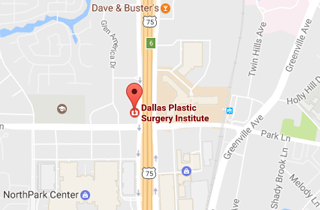
Our Location Dallas Plastic Surgery Institute

9101 N. Central Expwy.
Suite 600, Dallas, TX 75231
Tel: 214-827-2814
Dallas | Dr. Jejurikar

Stay Connected

Ready to get started?
Request a Consult