Breast Revision Surgery in Dallas: Fixing Implant Malposition (Bottoming Out), Capsular Contracture, and Breast Ptosis
Are you unhappy with the results of a previous breast augmentation or lift? Whether you’re dissatisfied with your implant position or the size, firmness, droop, or overall breast shape, you may want to consider breast revision surgery. Dr. Sam Jejurikar has extensive experience with complex revision algorithms, restoring natural beauty, comfort, and confidence. Contact the best plastic surgeon in Dallas to get started today!
Why Would You Consider Breast Revision Surgery?
Breast revision surgery is customized and often more complex than the first-time surgery. However, with Dr. Jejurikar’s personalized care, skill, and expertise, you can count on him for care and outcomes that exceed your expectations.
Here are some reasons why you may want to consider breast revision surgery:
-
You have unevenness or asymmetry between the breasts.
-
Your implants are “bottoming out,” meaning they are sitting too low in their pockets.
-
Your implants are too far to the sides (lateral malposition) or too close to the center (medial malposition).
-
Your implants are too close and seem to merge across your chest (symmastia
-
You have a noticeably wide gap between the breasts.
-
Your breast feels firm, painful, or has a distorted shape, indicating scar tissue or tightening around the implant, a condition known as capsular contracture.
-
Your breasts begin to sag again even after you’ve had implants or a lift.
-
Your implants have ruptured, or you are dissatisfied with the resulting size.
-
A crease or fold develops below the implant (double bubble).
What Are Your Breast Revision Surgery Options?
Dr. Jejurikar tailors each revision procedure to the unique challenges presented by your prior surgery. He uses advanced techniques and materials that improve durability and aesthetics. The following are some of the breast revision surgery options our best plastic surgeon in Dallas offers:
Implant Malposition: For implants that are too far to the side, bottom, or center, the main revision strategy is to stabilize, tighten, or reshape your implant pocket. This is achieved through techniques such as targeted capsulorrhaphy, which involves tightening the scar tissue around the implant, or a plane change (neosubpectoral), which involves moving the implant to a more supportive location.
To ensure the correction is durable and your implant stays secure, Dr. Jejurikar may create an “internal bra” using advanced biocompatible materials, such as TIGR, GalaFLEX, or Acellular Dermal Matrix (ADM).
Capsular Contracture: Treating hardness, pain, shape distortion, or high-riding implants, a condition known as capsular contracture, Dr. Jejurikar focuses on removing or releasing the hardened scar tissue that causes these concerns. He will perform partial or total capsulectomy, removing some or all of the scar tissue that naturally forms around the implant. He may also change the implant’s position (pocket change) when indicated.
To minimize complications, our skilled plastic surgeon ensures control over bleeding and the implant pocket, uses an irrigation protocol to clean the area, and may use supportive materials, such as mesh or ADM, to reinforce the pocket. The procedure may conclude with the placement of a new implant, such as Motiva, which is associated with lower rates of future capsular contracture.
Breast Ptosis with or without Implants: Whether or not you have had implants placed, the main solution for sagging breasts (breast ptosis) is a breast lift, also known as mastopexy. The procedure may be combined with an implant replacement known as an implant exchange, often using a smaller size to reduce weight and stress on the breast tissues (size right-sizing).
Dr. Jejurikar may recommend an internal bra, using supportive mesh materials, such as TIGR, GalaFLEX, or ADM, to support the lower pole. The goal is to ensure a stable, long-lasting lift while maintaining the ideal nipple position.
What Can You Expect During Your Breast Revision Surgery?
The first step in your breast revision surgery is evaluating your needs and creating a customized treatment plan tailored to the unique challenges of your prior procedure. The surgery is performed on an outpatient basis, and its length may vary depending on your specific procedure. Dr. Jejurikar focuses on achieving precise fold control, correctly setting the crease under your breasts, which is critical for achieving optimal and long-lasting results.
It’s important to note that your revision surgery may involve additional steps than your initial surgery, which is why it may take longer.
What Can You Expect During Recovery and Aftercare?
Most patients require a few weeks of recovery time. You can expect swelling and tenderness in the days following surgery, which is perfectly normal. Dr. Jejurikar will prescribe pain-relief medications to ensure your comfort and may recommend wearing a special bra for support during the healing process
Any pain, swelling, or sensitivity typically subsides within a few weeks, and your scars should fade and become virtually unnoticeable over the following few months. Make sure you follow the post-operative care instructions we provide to support healing and recovery.
Are You a Candidate for Breast Revision Surgery?
Candidates for breast revision surgery are generally in good health, non-smokers, at a stable weight, and have realistic goals about the procedure. Dr. Jejurikar is happy to evaluate your unique needs and create a personalized treatment plan outlining the ideal solution to deliver your desired results.
Breast Revision Surgery Near Me in Dallas, TX
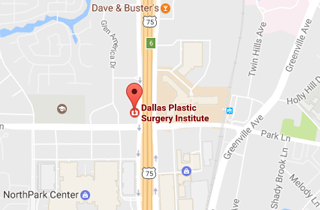
Looking for the best plastic surgeon in Dallas for your breast revision surgery needs? Located at the Dallas Plastic Surgery Institute, our accomplished plastic surgeon is recognized for his advanced surgical algorithms and personalized approach. Dr. Sam Jejurikar is committed to helping you restore your confidence and comfort.
We invite you to call 214-827-2814 to schedule your breast revision surgery consultation or request one online today!
Note: Please bring prior operative notes and implant information if available. These details help create the most effective plan for your revision.